About Damasonium alisma Mill.
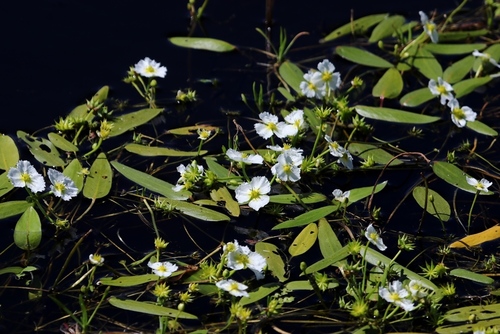
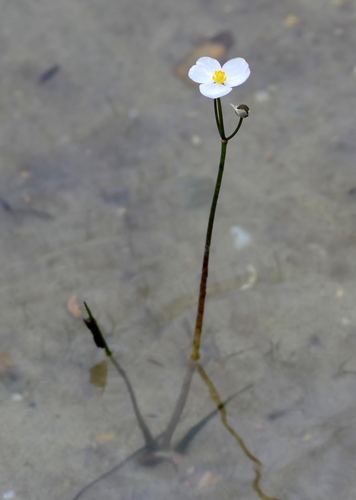
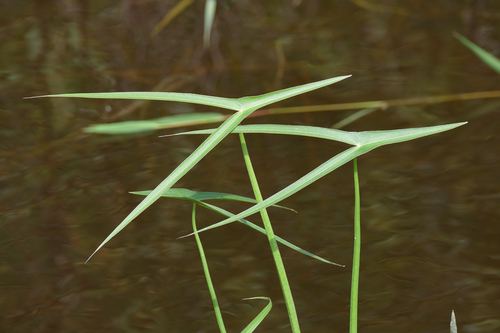
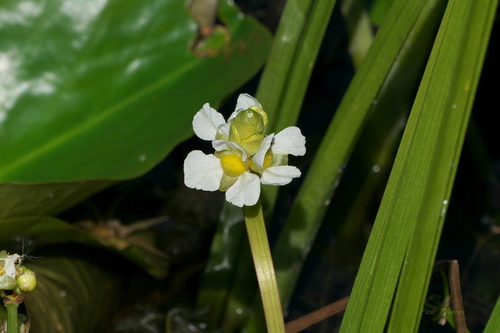
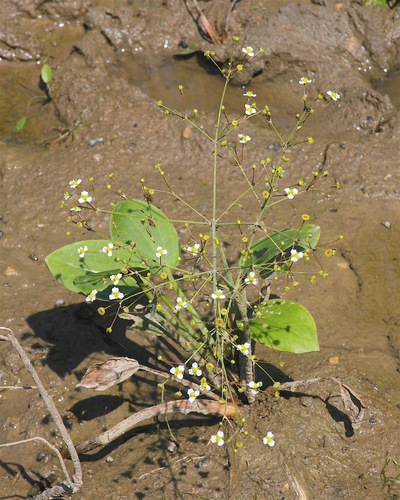
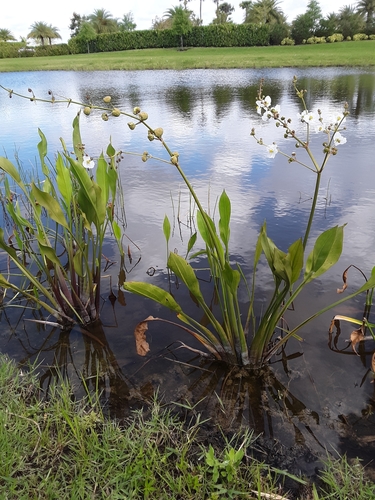
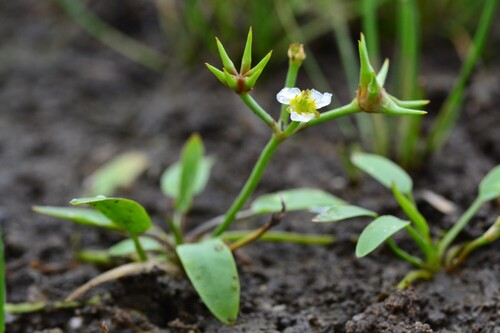
Damasonium alisma Mill. is a species of flowering marsh plant, commonly known as starfruit. Its native range covers parts of Great Britain, France, Portugal, Spain, Italy, Greece, Russia, Ukraine, Moldova, and Kazakhstan. It is native to the British Isles, and was once common across south and central England. Its population has declined due to the loss of pond habitats. It was not recorded growing in the wild in the United Kingdom in 2006, and is classified as endangered within the country. In 2013, seeds collected from the now-extinct Headley Heath population were germinated in undisturbed ponds managed by the Surrey Wildlife Trust, and plants have continued to grow at this site each year at least through 2018. Damasonium alisma grows in acidic ponds. In Great Britain, its decline coincided with the loss of village ponds. It once grew in many English counties, ranging from Sussex in the south northward to Shropshire, but by 1900, it was only found in two ponds in Buckinghamshire and one pond in Surrey. It is now beginning to recover gradually, thanks to intensive conservation efforts. This species requires open, well-lit shallow water to grow, and regularly disturbed mud for its seeds to germinate. Its form varies greatly depending on the depth of the water where it grows. Dwarf plants with aerial leaves can grow sub-terrestrially on exposed mud. The number of ovules in this species is not consistent: each carpel usually contains two ovules, but carpels holding four to many ovules can be found across the species' range. Multi-ovulate forms native to southwestern Europe and Sicily were originally described as a separate species, D. polyspermum. The shape of the plant's follicles depends on the number of seeds they contain. In plants that produce two seeds per carpel, the beak — the empty upper section of the carpel — is elongated. In many-seeded plants, seeds take up more space inside the follicle, so the beak is relatively shorter and less clearly defined.