About Cyprinus carpio Linnaeus, 1758
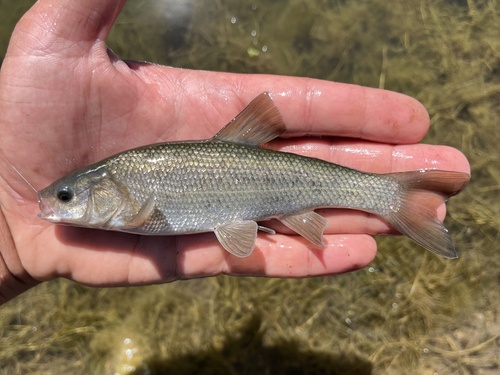
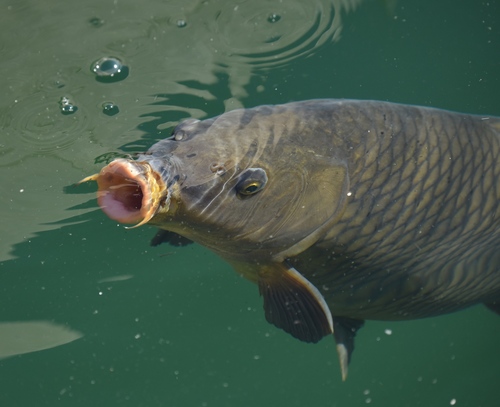
The common carp (Cyprinus carpio Linnaeus, 1758) is also known as European carp, Eurasian carp, or simply carp. It is a widespread freshwater fish that lives in eutrophic waters of lakes and large rivers across Europe and Asia. The International Union for Conservation of Nature (IUCN) classifies native wild populations of common carp as vulnerable to extinction. However, the species has been domesticated, introduced globally for aquaculture, and is often categorized as an invasive species, being included on the list of the world's 100 worst invasive species. This species gives its name to the carp family, Cyprinidae. While common carp tolerate most aquatic conditions, they prefer large bodies of slow or standing water with soft, vegetative sediments. They are schooling fish that prefer groups of five or more individuals. In their natural range, they live in temperate climates, in fresh or slightly brackish water with a pH of 6.5–9.0, salinity up to about 0.5%, and water temperatures ranging from 3 to 35 °C (37–95 °F). Their ideal temperature range is 23 to 30 °C (73–86 °F), and spawning begins when water reaches 17 to 18 °C (63–64 °F). They can survive winter in frozen-over ponds so long as free water remains below the ice. Common carp can tolerate water with very low oxygen levels by gulping air at the surface. Common carp are egg-layers; a typical adult female can lay 300,000 eggs in a single spawn. While they typically spawn in spring in response to rising water temperatures and rainfall, they can spawn multiple times in a single season. In commercial aquaculture operations, spawning is often stimulated through a process called hypophysation, where lyophilized pituitary extract containing gonadotropic hormones is injected into the fish. These hormones stimulate gonad maturation and sex steroid production, ultimately promoting reproduction. In Central Europe, common carp is a traditional component of Christmas Eve dinner. Hungarian fisherman's soup, which is made with carp alone or mixed with other freshwater fish, is part of the traditional Christmas Eve meal in Hungary, alongside stuffed cabbage, poppy seed roll, and walnut roll. A traditional Czech Christmas Eve dinner includes a thick soup made from carp's head and offal, plus fried carp meat (sometimes skinned and baked instead) served with potato salad, or boiled carp in black sauce. Slovak Christmas Eve dinners are quite similar, with soup varying by region and fried carp as the main dish. Fried carp is also a traditional Christmas Eve dish in Austria, parts of Germany, and Poland. Carp is mixed with other common fish to make gefilte fish, a dish popular in Jewish cuisine. Carp is rich in collagen, an essential component for healthy joints and healthy skin, and has a high collagen content compared to other fish. Unlike harder to digest animal products, carp is gentle on the human digestive system. A 100-gram serving of carp contains only about 100 calories. The unsaturated omega-3 fatty acids in carp protect the heart, circulatory system, and brain, lower levels of bad cholesterol, and are associated with anti-cancer effects. Nutritionists note that carp protein can successfully replace beef or pork, is easily digestible, and is recommended even for people with stomach problems. Baking carp in the oven preserves all of its health-promoting properties and results in a lower-calorie finished dish. In Western Europe, carp is most commonly cultivated as a sport fish, though there is a small market for it as a food fish. In the United States, carp is mostly ignored as a food fish; almost all U.S. shoppers pass over carp, due to a preference for filleted fish rather than cooking whole fish. Carp have small intramuscular bones called y-bones, which means it is typically cooked as a whole fish. After Eurasian carp was introduced to Lake Toba in Sumatra, it became adapted for use in the traditional Indonesian dish Arsik.