About Cynictis penicillata G
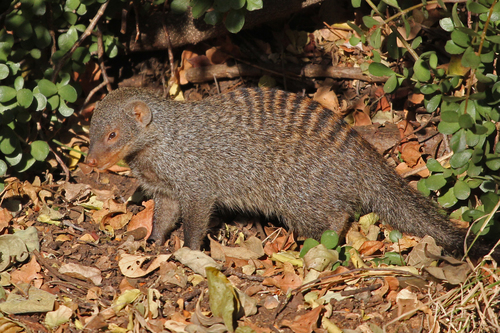
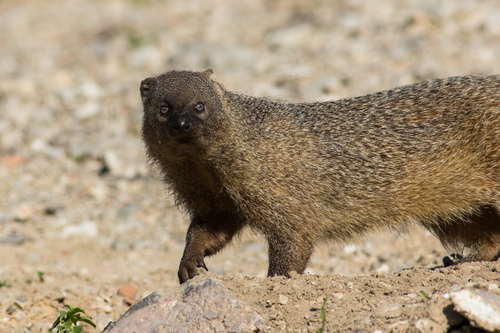
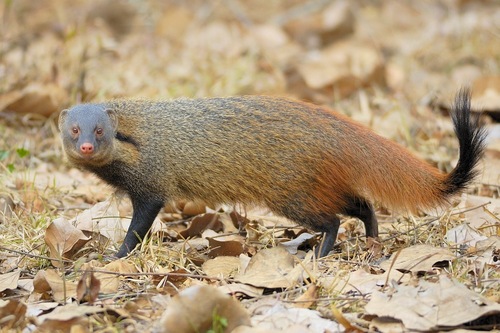
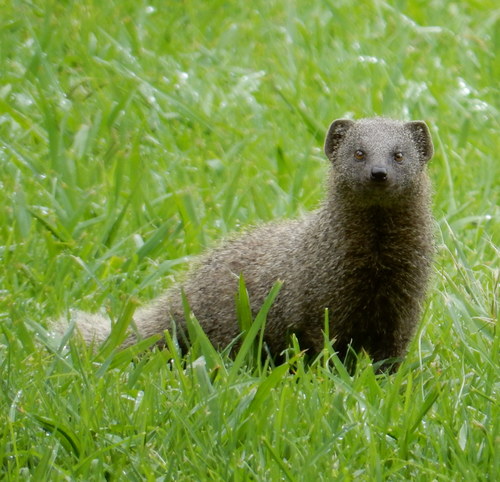
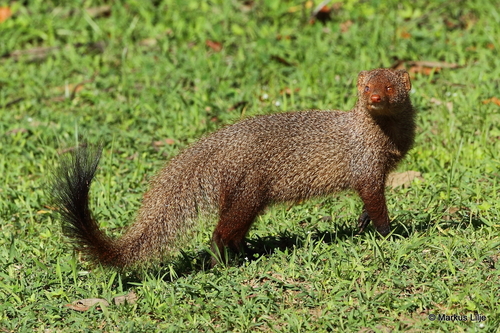
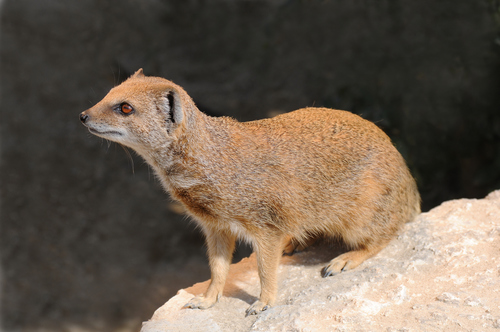
Scientific name: Cynictis penicillata G Commonly known as the yellow mongoose, this species generally has lighter colored markings on its underbelly and chin, a bushy tail, and no sexual dimorphism across the species. Southern populations of yellow mongooses are larger, have yellow or reddish, longer fur, and longer tails with a distinct white tip. Northern subspecies are smaller overall, have grey colored fur, grey or darker grey tail tips, and shorter fur suited to their hotter climate. Yellow mongooses are primarily active during the day, though occasional nocturnal activity has been recorded. They live in colonies of up to 20 individuals within permanent burrow complexes, and often share burrow warrens with Cape ground squirrels or suricates. All cohabiting species share maintenance of the warren, adding new tunnels and burrows as needed. The tunnel system has many entrances, and yellow mongooses create latrines near these entrances. The yellow mongoose is a carnivore. It feeds mostly on beetles, termites, grasshoppers, crickets, caterpillars, and ants, but will also eat rodents, small birds, reptiles, amphibians, carrion, eggs, grass, and seeds. In urban areas of South Africa, yellow mongooses also forage for food in human garbage. For reproduction, the yellow mongoose's mating season falls between July and September. Females give birth underground, between October and December, in a clean empty chamber of the burrow system with no added bedding. Most pregnancies produce two offspring. The young are weaned at 10 weeks old, and reach full adult size at 10 months old.