About Cuphea hyssopifolia Kunth
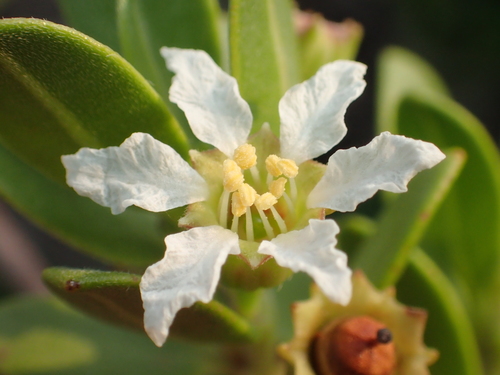
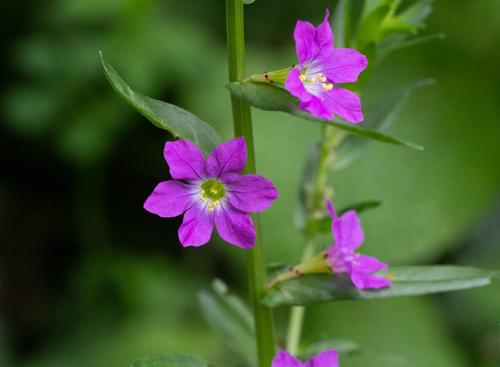
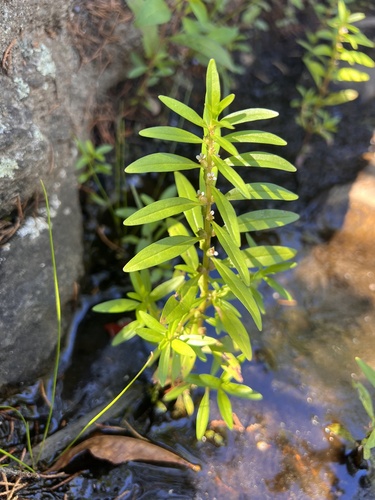
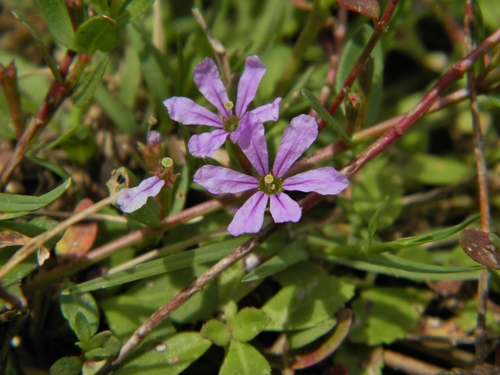
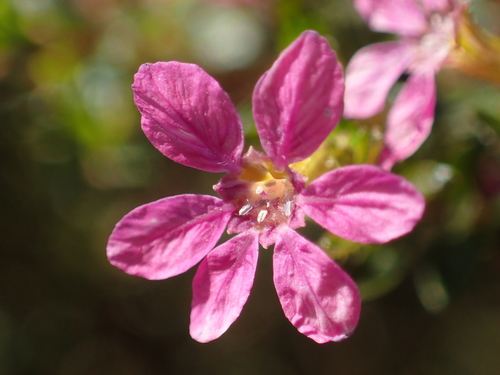
Cuphea hyssopifolia Kunth grows to approximately 60 cm (24 in) in height and 90 cm (35 in) in width, with fine foliage and purple, lavender, or white flowers. Its leaves are small, narrow, and dark green. The fruit of this species is a capsule that holds small, globose seeds. The Latin specific epithet hyssopifolia, which appears in other plant names including Bassia hyssopifolia, means "hyssop-leafed", and refers to the fine, narrow leaves of this plant. This species grows in hot, semi-warm, and temperate climates at elevations between 500 and 2,240 meters above sea level. It is grown as an ornamental plant in orchards and gardens, and also grows naturally on stream banks. In the wild, it associates with disturbed vegetation in tropical deciduous forests, tropical sub-deciduous forests, and mountain mesophilic forest. The species is naturalized in Hawaii, where it is considered a serious weed. In cultivation, it adapts to a variety of soils and grows best in sunny or partially shaded locations with good drainage. It can be grown outdoors in USDA hardiness zones 8B through 11, and does not tolerate freezing temperatures. In colder regions, it may be grown as an annual. It can be propagated by cuttings, layering, or division. It seeds freely, and any new seedlings that appear can be easily transplanted. This plant has earned the Royal Horticultural Society's Award of Garden Merit, which was confirmed in 2020.