About Culex quinquefasciatus Say, 1823
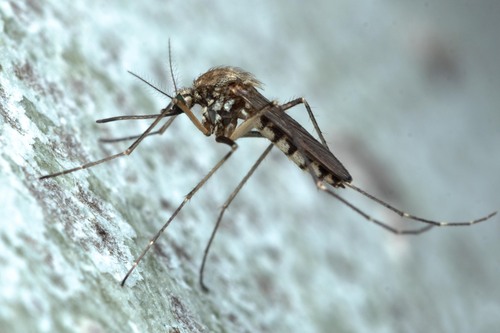
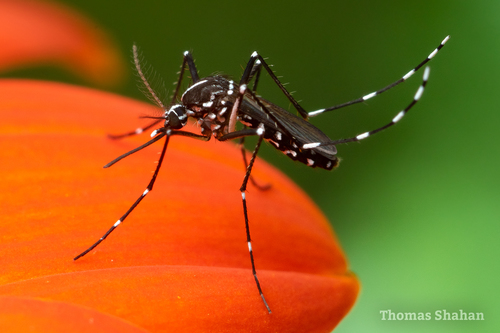
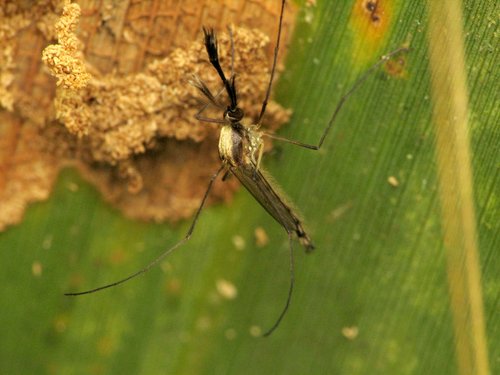
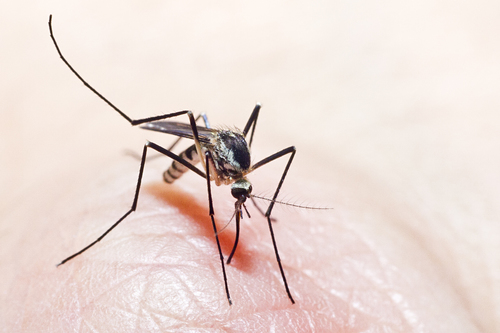
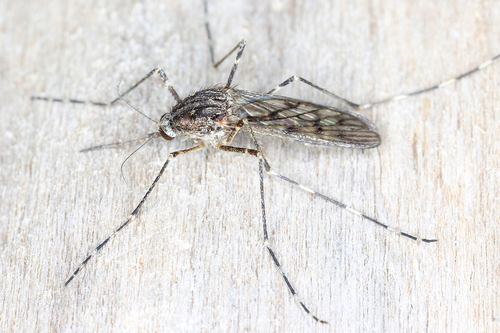
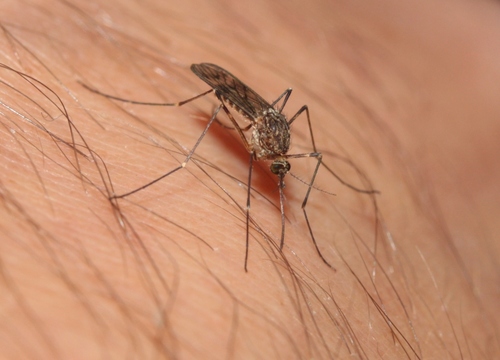
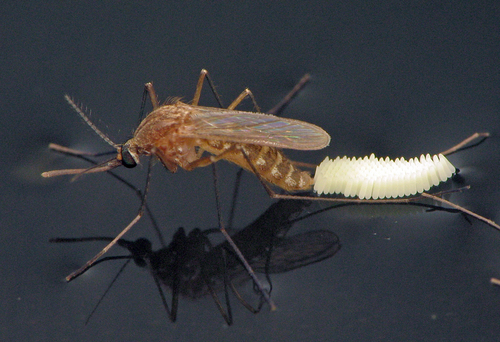
The scientific name of this species is Culex quinquefasciatus Say, 1823. Adult C. quinquefasciatus are medium-sized, brown mosquitoes with an overall body length ranging from 3.96 to 4.25 mm. Although the main body is brown, the proboscis, thorax, wings, and tarsi are darker than the rest of the body. The head is light brown, with the lightest area located at its center. Antennae and proboscis are roughly the same length, though the antennae are slightly shorter than the proboscis in some cases. The flagellum has 13 segments, which may bear few or no scales. The scales covering the thorax are narrow and curved. Each tergite on the abdomen has pale, narrow, rounded bands on its basal side. Males can be distinguished from females by their large palps and feathery antennae. The larva of C. quinquefasciatus has a short, stout head. Its mouth brushes have long yellow filaments, which are used to filter organic materials. The abdomen is made up of eight segments, the siphon, and the saddle. Each segment has a unique pattern of setae. The siphon is located on the dorsal side of the abdomen, and it is four times longer than it is broad. Multiple setae tufts are present on the siphon. The saddle is barrel-shaped and located on the ventral side of the abdomen, with four long anal papillae protruding from its posterior end. Nicknamed "southern house mosquito" and often called "Quinx" for short, this species is one of the most abundant peridomestic mosquitoes in the world. Its native origin is uncertain; it may have originated in the lowlands of West Africa, or alternatively in Southeast Asia. Currently, Cx. quinquefasciatus is found across all global subtropical and tropical areas, including the Americas, Australia, and New Zealand. It is absent only from extremely dry or extremely cold regions. Thomas Say, who originally described the species, noted it is "exceedingly numerous and troublesome". It rests in trees and other high places.