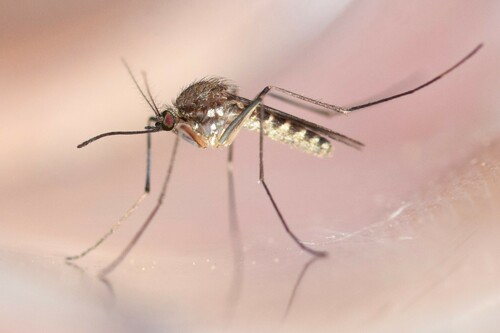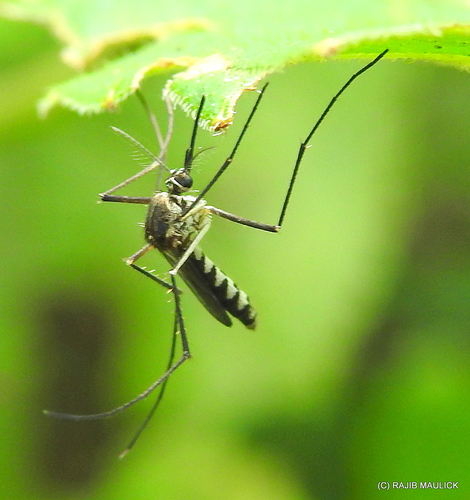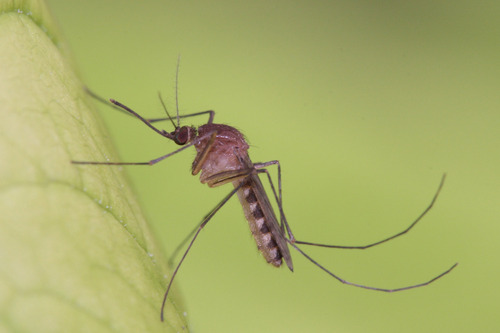
About Culex nigripalpus Theobald, 1901
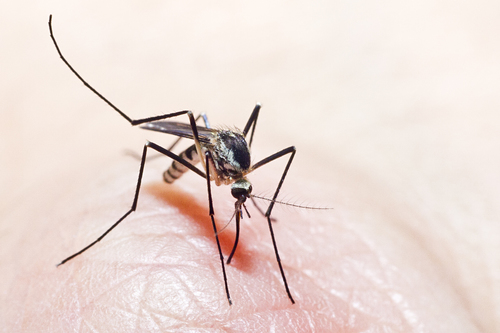
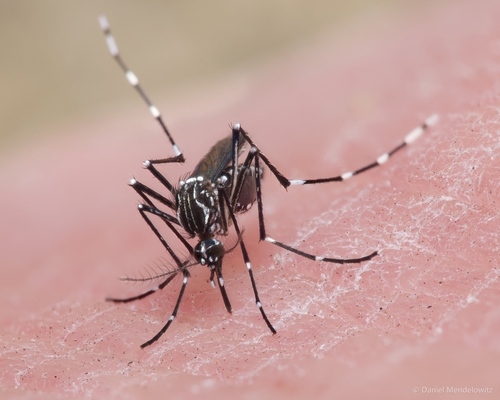
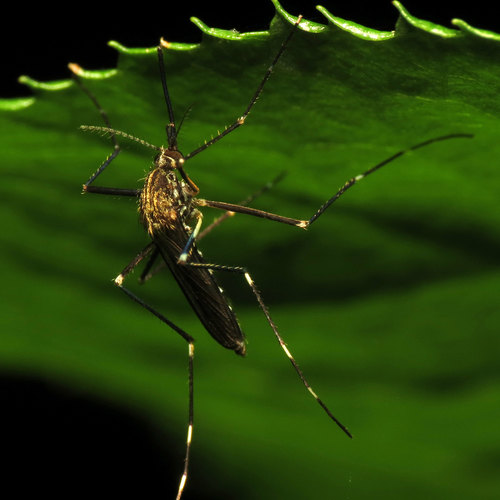
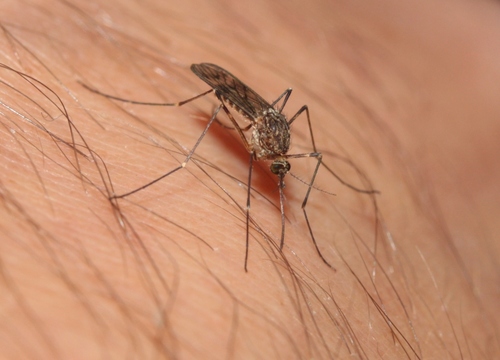
Culex nigripalpus Theobald, 1901, commonly known as the Florida SLE mosquito, is a medium-sized, dark, blood-feeding mosquito species that belongs to the family Culicidae. This species has been recorded in the following countries: Anguilla, Bahamas, Barbados, Belize, Brazil, Colombia, Costa Rica, Cuba, Dominica, Dominican Republic, Ecuador, El Salvador, French Guiana, Grenada, Guadeloupe, Guatemala, Guyana, Haiti, Honduras, Jamaica, Martinique, Mexico, Montserrat, Nicaragua, Panama, Paraguay, Peru, Puerto Rico, Saint Lucia, Saint Vincent and the Grenadines, Suriname, Trinidad and Tobago, United States, Venezuela, and the Virgin Islands. In the United States, Culex nigripalpus occurs from Texas to North Carolina in warm, humid coastal habitats, and also extends as far north as Kentucky in the Mississippi River basin. The larvae of Culex nigripalpus live in fresh water within semi-permanent or permanent marshes, ditches, retention ponds, and grassy pools. Female Culex nigripalpus prefer to lay their eggs in freshly flooded ditches. Culex nigripalpus is a principal disease vector in Florida. It acts as the primary enzootic vector of Saint Louis encephalitis (SLE) virus to wild birds, and the primary epidemic vector of this virus to humans. Experiments have confirmed that this species is capable of transmitting West Nile virus (WNV). Its feeding habit of consuming blood from both birds and humans gives it significant potential to transmit zoonotic infections from birds to humans. It also acts as a transmission vector for Eastern equine encephalitis (EEE), dog heartworm, and Avian malaria.