About Culex annulirostris Skuse, 1889
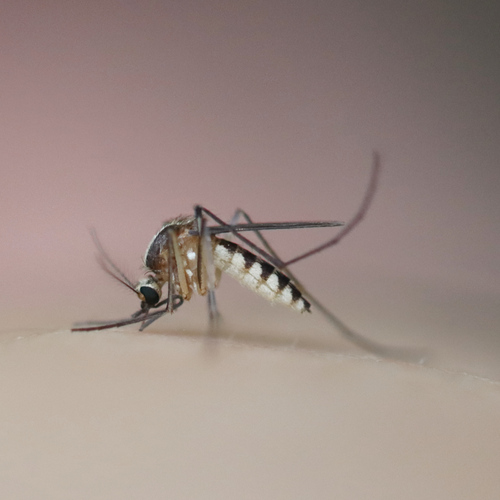
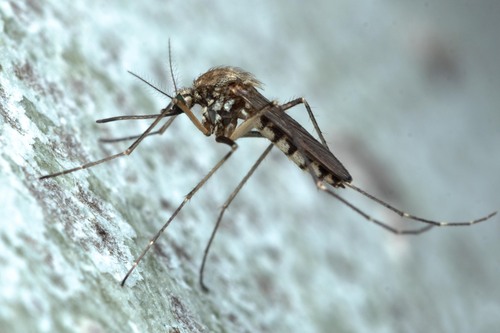
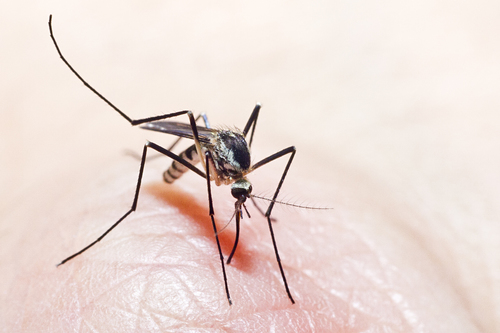
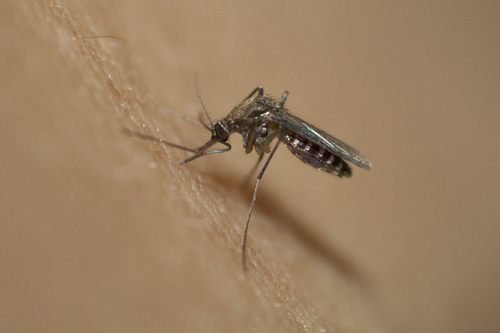
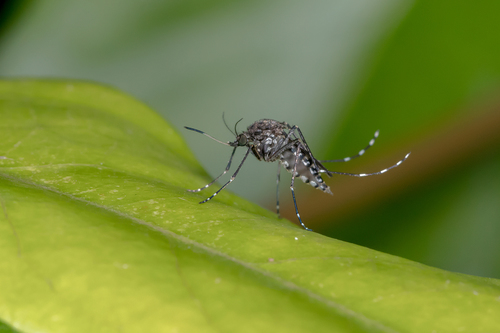
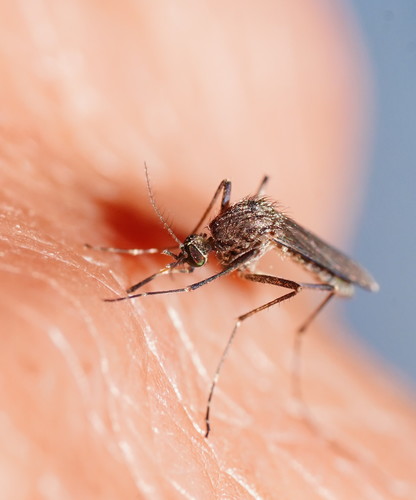
Culex annulirostris, commonly known as the common banded mosquito, is an insect native to Australia, Fiji, Micronesia, the Philippines and Indonesia. It is considered a serious pest across all areas where it occurs. Frederick Askew Skuse formally described this species in 1889, using specimens that had been collected in Australia’s Blue Mountains and Berowra. The species’ scientific name comes from the Latin words annulus, meaning “ring”, and rostrum, meaning “bill”. Female common banded mosquitoes are moderate-sized, with bodies ranging from brown to dark brown. They have a prominent, broad pale band across the middle third of their proboscis, and similar pale bands on their legs. Females of this species closely resemble females of the related species Culex sitiens, which can be distinguished by its narrower proboscis band. This mosquito breeds in any location that holds standing water. Breeding sites range from natural swamps and ponds to all types of human-made puddles, including irrigation channels, bamboo stumps, cacao shells, and the bottoms of canoes. Breeding water can be clean or polluted, located in sun or shade, and fresh or brackish. Culex annulirostris mosquitoes are active from spring through late autumn. They are most commonly active at dusk during this period, but can also be active during the day and inside buildings. Adults can travel 5–10 km from their birth site, and feed on mammals and birds. Only female Culex annulirostris feed on blood; they require blood protein to support reproduction. Males of the species feed on nectar. This species is an important vector for multiple arboviruses, including Murray Valley encephalitis virus, Ross River virus, Barmah Forest virus, Kunjin virus and Japanese encephalitis. It also vectors dog heartworm, and the roundworm Wuchereria bancrofti in New Guinea. There is evidence that this mosquito can carry myxomatosis.