About Cucurbita pepo L.
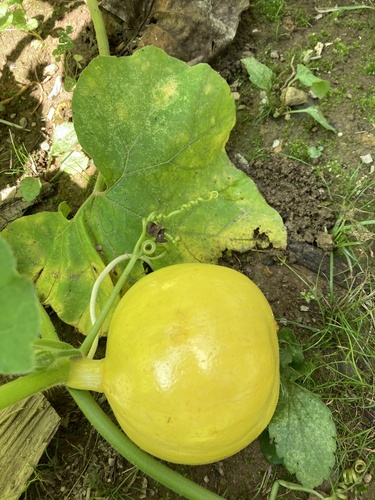
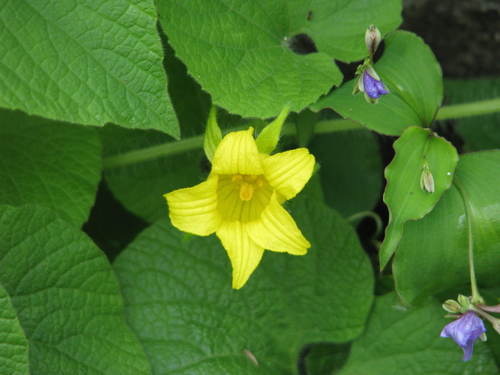
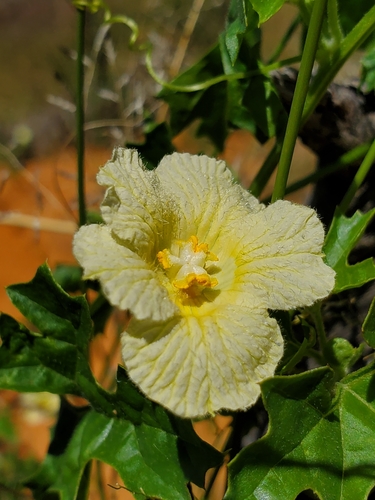
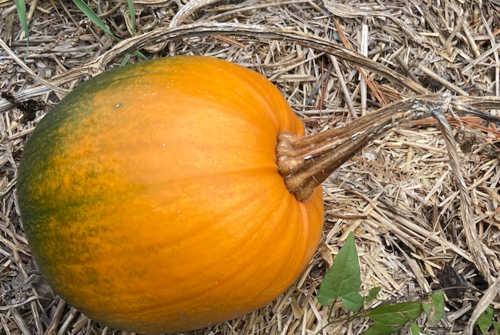
Cucurbita pepo L. varies widely in appearance due to its diverse genetic background, with most variation appearing in its fruits. Mature plants typically grow 30–76 centimetres (1–2+1⁄2 feet) high and 61–91 centimetres (2–3 feet) wide, and produce yellow flowers. Its leaves have three to five lobes and measure 20–35 centimetres (8–14 inches) wide. All subspecies, varieties, and cultivars of this species are conspecific and interfertile. Within C. pepo, pumpkins, scallops, and possibly crooknecks are ancient lineages that were domesticated separately. Domesticated C. pepo plants produce larger fruits, and larger but fewer seeds than their non-domesticated relatives. Parthenocarpy occurs naturally in some C. pepo cultivars. This species grows at elevations ranging from sea level to slightly above 2,000 meters (6,600 feet). For food use, fresh C. pepo squash can be cut into spiral strips, folded into bundles, hung to dry for winter consumption. Fresh squash, whole or cut into pieces, can also be roasted in ashes and eaten. The plant's blossoms are fried in grease and eaten as a delicacy alongside other foods. In Zuni culture, dried C. pepo gourds are crafted into cups, ladles, dippers, and storage containers. A poultice made from the plant's seeds and blossoms is used to treat cactus scratches.