About Cucurbita maxima Duchesne
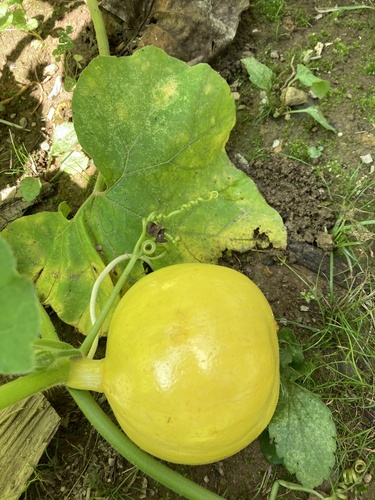
Cucurbita maxima Duchesne, or Cucurbita maxima, is one of at least five cultivated squash species, and is among the most diverse domesticated species. This species originated in South America from the wild subspecies Cucurbita maxima subsp. andreana over 4,000 years ago. Its origins lie in northern Argentina near the Andes, or in certain Andean valleys; modern well-known varieties of this species include Hubbard, Delicious, Marblehead, Boston Marrow, and Turks Turban. Secondary centers of diversity for the species are India, Bangladesh, Myanmar, and the southern Appalachians. Different squash types of C. maxima were introduced to North America as early as the 16th century. By the time of the American Revolution, the species was being cultivated by Native American tribes across what is now the United States. By the early 19th century, at least three varieties had been commercially introduced in North America, grown from seeds collected from Native Americans. Buttercup squash is a common C. maxima cultivar; it can be roasted, baked, mashed into soups, and used for a range of filler purposes much like pumpkin. It is extremely popular as a soup in Brazil, Colombia, and Africa. All giant pumpkins weighing over 300 pounds (140 kilograms) belong to this species, including the largest pumpkins ever documented, which reached a weight of 2,749.0 pounds (1,246.9 kg) as of 2023. Seeds of C. maxima are used to treat parasites in animals. Because this plant needs a good amount of hot weather to grow optimally, it has not become widely established in northern Europe, the British Isles, or other regions with short or cool summers. The ideal soil pH range for cultivating C. maxima is 6.0 to 6.8. Recommended planting spacing varies by variety, but generally plants are spaced around 3–5 feet apart within rows that are approximately 6–10 feet apart. Planting depth is around 1–2 inches. Fertilization should be done based on soil test results and the specific crop's nutrient requirements. Many cultivars of Cucurbita maxima have been developed. Only long-vining plants are the wild type for this species. While bush habit plants exist, similar to what is seen in C. pepo, this trait is most noticeable in young plants; older plants grow into the wild-type vining form.