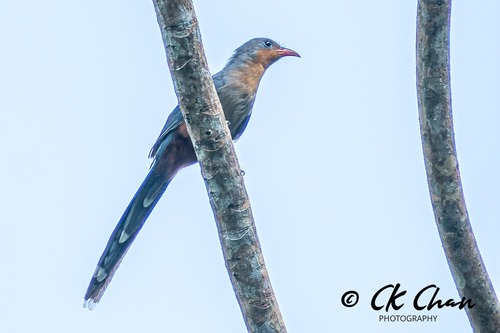
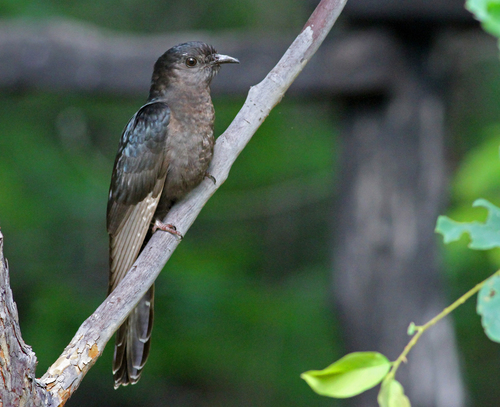
About Cuculus nisicolor Blyth, 1843
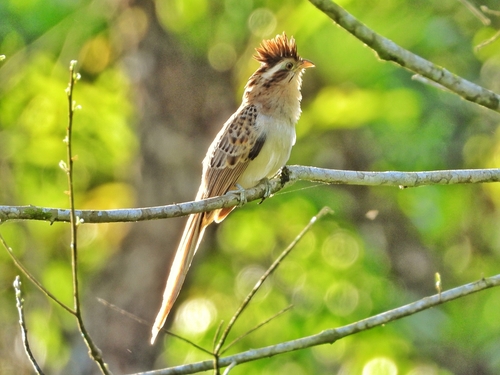
Hodgson's hawk-cuckoo (scientific name Hierococcyx nisicolor), which is also called the whistling hawk-cuckoo, is a species of cuckoo. It can be found in north-eastern India, Myanmar, southern China, and southeast Asia. This cuckoo is a brood parasite. After hatching in a host nest, the Hodgson's hawk-cuckoo chick evicts the nest's original residents, becoming the only chick left in the nest. Normally, having only one chick would lower how often the foster parents bring food, since the parents only see one gaping begging mouth. To get around this, Hodgson's hawk-cuckoo has gape-coloured patches of skin under its wing that look like extra gaping begging mouths. This strategy seems to successfully increase the rate at which foster parents bring it food. This method is different from the strategy used by other cuckoo species, like the common cuckoo, which make faster high-pitched hunger calls to increase their food provisioning rate. Even though these skin patches are not shaped like actual gaping mouths, they are convincing enough that host parents sometimes put food directly into the patches. Hodgson's hawk-cuckoo was previously considered to have four subspecies. Today, the Philippine hawk-cuckoo is commonly recognized as its own separate species, H. pectoralis. The remaining forms of the original grouped species have been split into three separate species: the Malaysian hawk-cuckoo (H. fugax), Hodgson's hawk-cuckoo (H. nisicolor), and the rufous hawk-cuckoo, also known as the northern hawk-cuckoo (H. hyperythrus). The common name of this bird honors the British naturalist Brian Houghton Hodgson.