About Cuculus clamosus Latham, 1802
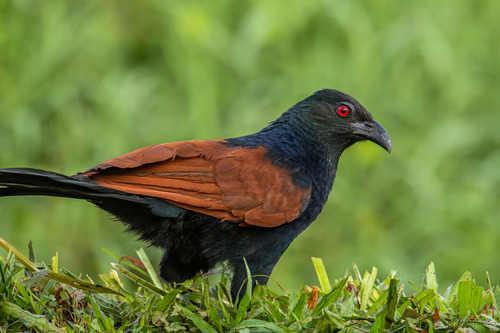
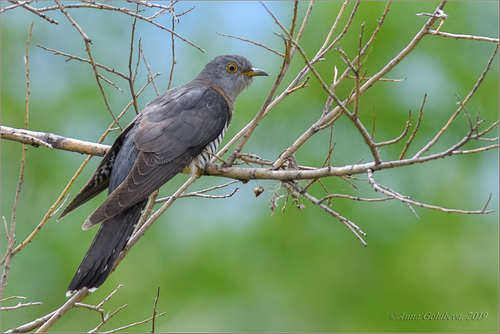
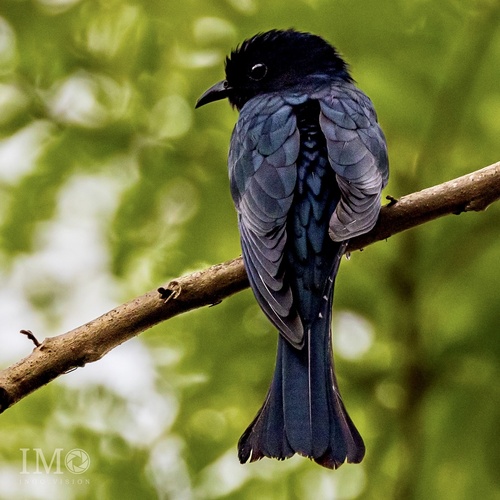
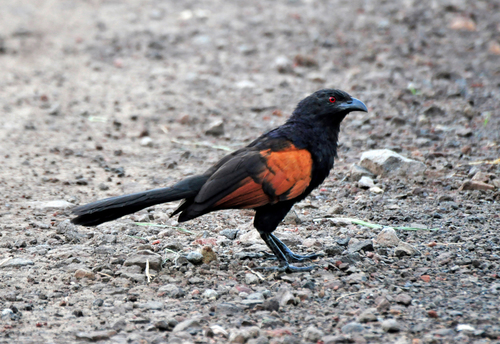
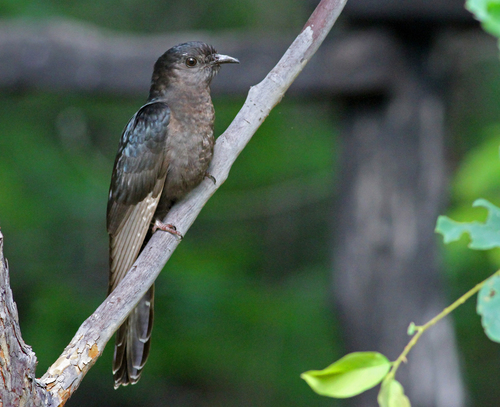
The black cuckoo (Cuculus clamosus Latham, 1802) is a medium-sized cuckoo species. Males and females have similar appearance, but plumage differs between subspecies. The nominate subspecies, Cuculus clamosus clamosus, has black upper parts with a green gloss, slatey-grey wings, and a black tail tipped with white; the outer tail feathers are sometimes barred or spotted with white or buff. The other subspecies, Cuculus clamosus gabonensis, is mostly black, with a red throat and black-and-white barring on the belly. In terms of distribution and habitat, Cuculus clamosus gabonensis is a resident subspecies native to Central Africa. The Southern African nominate subspecies C. c. clamosus is migratory: it breeds in Southern Africa from September to December, and moves to Central, Eastern, and West Africa in March. The overall range of the species spans from Liberia east to Ethiopia, and south to Angola and South Africa. It is a woodland-dwelling bird that avoids the interior of dense forests, and prefers acacia woodland, thickets, riverside woodland, plantations, and trees growing around villages. Ecologically, the black cuckoo feeds mainly on hairy caterpillars. It also eats termites and ants (including winged individuals caught in flight), beetles, grasshoppers, other insects, and birds' eggs and nestlings. The black cuckoo is a brood parasite. Its main host species are bushshrikes, especially the tropical boubou and crimson-breasted shrike. When it parasitizes boubou nests, the black cuckoo eggs hatch after approximately 14 days, which is three days earlier than the boubou's own eggs. The cuckoo chick usually evicts the host's eggs and other nestlings within 30 hours of hatching. It fledges around 16 days after hatching, and leaves the nest a few days after that. The foster parents continue to feed the young cuckoo for an additional three weeks after it fledges.