About Ctenophorus fionni (Procter, 1923)
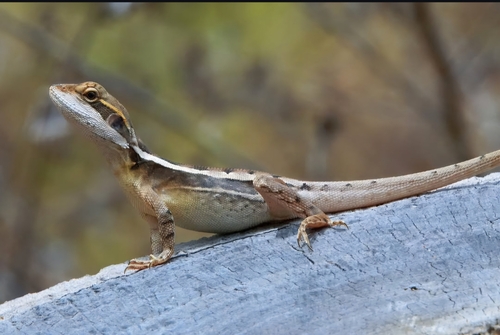
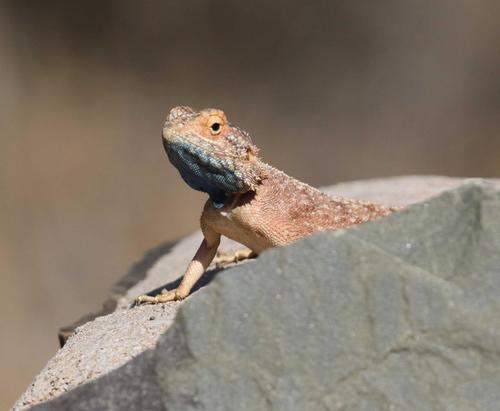
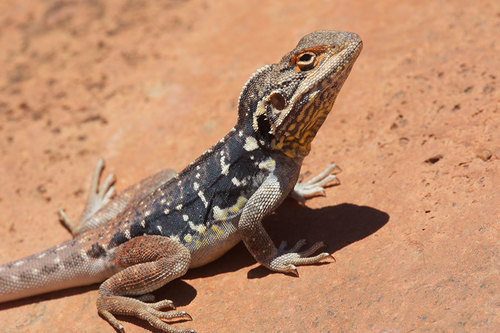
Description: Adult Ctenophorus fionni reach a total length (including the tail) of 10 to 12 cm (3.9 to 4.7 inches). Females typically have base colouration ranging from brown to reddish-brown, marked with dark mottling. Males generally have grey backs, brown heads, and numerous spots in white, cream, and yellow-orange. Male colour and pattern can vary dramatically between geographically isolated populations, with each isolated population having its own unique combination of colour and pattern. Distribution: The entire native geographic range of C. fionni is located within South Australia. Its range covers the Eyre Peninsula, adjacent interior areas including the Gawler Ranges, and many offshore islands. Ecology and behaviour: C. fionni inhabits rocky ranges and outcrops. It is a diurnal species that shelters in narrow rock crevices and perches on prominent protruding rocks. During displays, males commonly perform push-ups, tail-coiling, and head-bobbing. Reproduction: The breeding season for C. fionni begins around spring, as the weather starts to warm. During this period, males become very active, establish dominance, and fight to access females. Females can lay up to 6 eggs, which are typically produced during spring and summer, with timing varying based on location and environmental conditions.