About Cryptolepas rhachianecti Dall, 1872
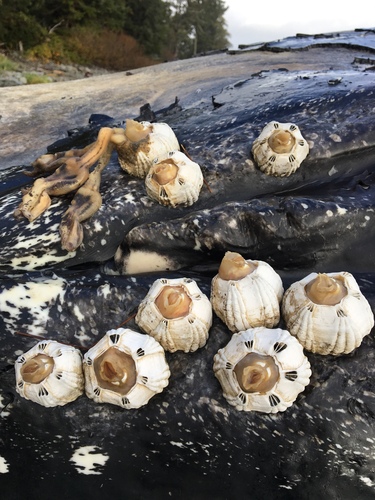
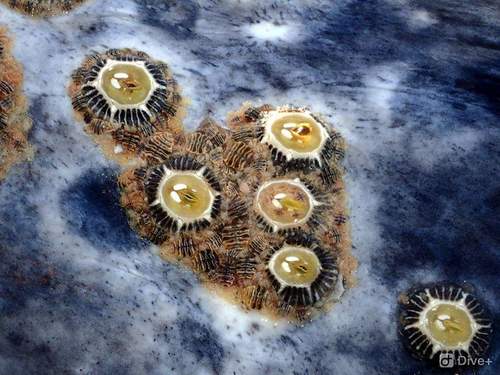
Cryptolepas rhachianecti can reach a diameter of 3.8 centimetres (1.5 inches). Today, this species is only found in the northern Pacific Ocean, in areas where gray whales live. Gray whales inhabited the northern Atlantic Ocean from the Late Pleistocene until recent times, and fossils of C. rhachianecti have been discovered on a beach in the Netherlands, which proves this barnacle also existed there in the past. This barnacle has been recorded between January and March across several years on captive beluga whales in San Diego Bay, an area located near the migratory route of gray whales. The barnacles triggered a skin reaction in the beluga whales that led to the barnacles being expelled, which indicates this reaction is an immune response. This barnacle species attaches exclusively to the skin of whales. It is almost always found on gray whales (Eschrichtius robustus), but occasionally occurs on killer whales (Orcinus orca) and beluga whales (Delphinapterus leucas). On gray whales, the barnacles embed deeply into the host's skin and mostly cluster on the gray whale's head and back. Multiple species of ectoparasitic crustaceans called whale lice, including the gray whale specialist Cyamus scammoni and generalist species Cyamus ceti and Cyamus kessleri, crawl among the barnacles and use them for protection. This association is so common that an adult gray whale can carry several hundred pounds of combined barnacle and louse weight. Gray whales have been observed rubbing their bodies against pebbly seabeds, which is thought to be an attempt to remove these attached organisms.