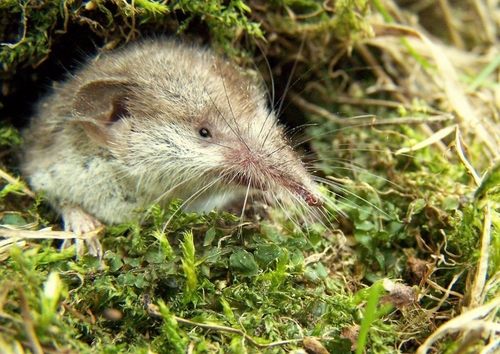
About Crocidura suaveolens (Pallas, 1811)
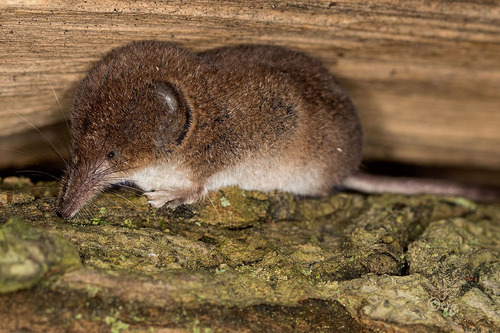
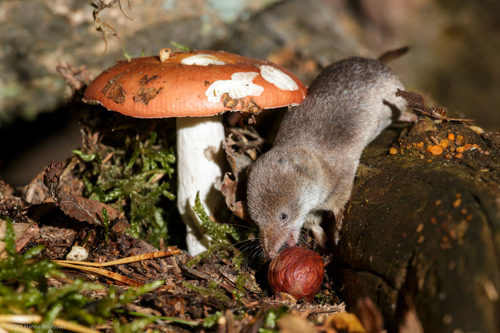
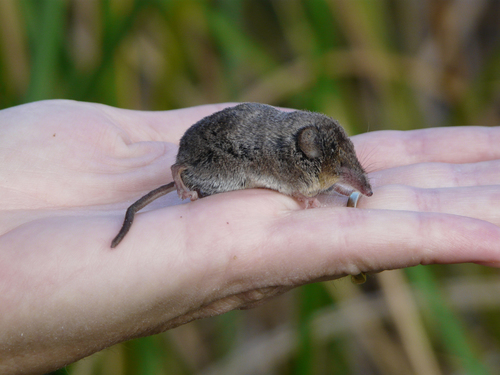
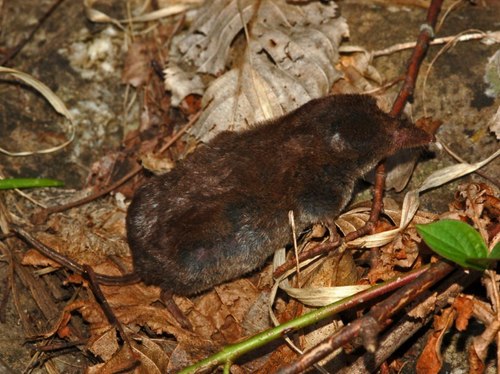
The lesser white-toothed shrew, scientifically named Crocidura suaveolens (Pallas, 1811), is a small shrew species with a widespread distribution across Africa, Asia, and Europe. Its preferred habitat is scrub and gardens, and it feeds on insects, arachnids, worms, gastropods, newts, and small rodents. Its diet typically varies based on the biotope it inhabits. The closely related Asian lesser white-toothed shrew, Crocidura shantungensis, was previously classified within this species, but is now recognized as a distinct separate species. Just like the common shrew, a female lesser white-toothed shrew and her young may form a "caravan" when foraging for food or searching for a safe location; each shrew holds the tail of the shrew in front of it to keep the group connected. This shrew occurs widely, ranging from France and Portugal in the west, across Europe and Asia to Japan, and also lives in North Africa. It favors dry ground, including scrub and gardens, and it also inhabits shingle beaches and sand dunes on the Isles of Scilly. Populations of the lesser white-toothed shrew on the Isles of Scilly, and on the Channel Islands of Jersey and Sark off the French coast, are isolated. One subspecies, Crocidura suaveolens balearica, lives on Menorca, one of the Balearic Islands.