About Crinodendron patagua Molina
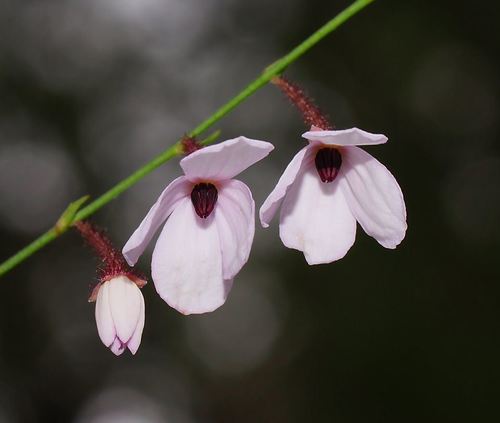
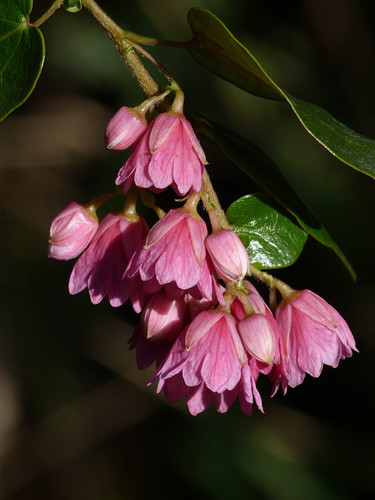
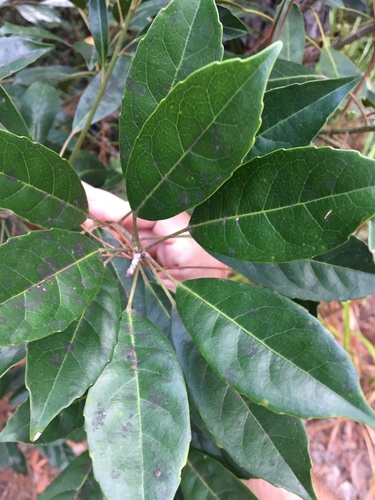
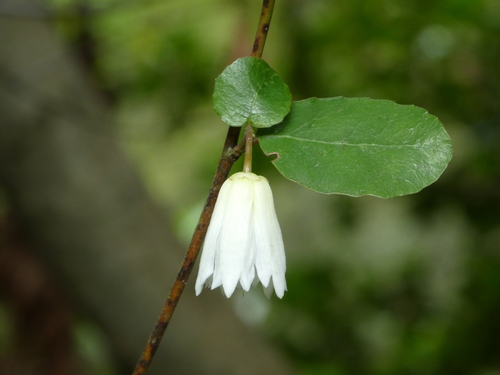
Crinodendron patagua Molina is a tree that reaches heights of up to 10 meters (33 feet). Its leaves are simple, oblong, and have serrated margins. It bears white bell-shaped flowers with five-petaled corollas. Its mature fruit is an orange-colored capsule. In Chilean folklore, the patagua originates from women who cried to God to repent for their sins. These women were saved from destruction but transformed into trees instead of being treated as just people, which folklore says explains why pataguas often resemble human figures, and why some Indigenous people fell in love with certain pataguas. Folklore also states that pataguas can signal the presence of a buried treasure entierro. This species is used for honey production. Tannin from its bark is used to tan leather, and its wood is used for furniture. It is easy to cultivate, grows very quickly, can be grown from seed, and tolerates frosts, so it is used for reforestation. It has been successfully introduced as an ornamental plant in New Zealand, California, Northern Ireland, Scotland, Wales, and some parts of England. In the United Kingdom, it does not flower as freely as Crinodendron hookerianum, an equally ornamental, more widely cultivated species that produces red or pink flowers. The genus name Crinodendron comes from the Greek phrase meaning 'lily tree', while the specific epithet patagua is the Mapuche name for this tree. This species was formerly classified under the name Tricuspidaria dependens Ruiz et Pav.