About Cornus alba L.
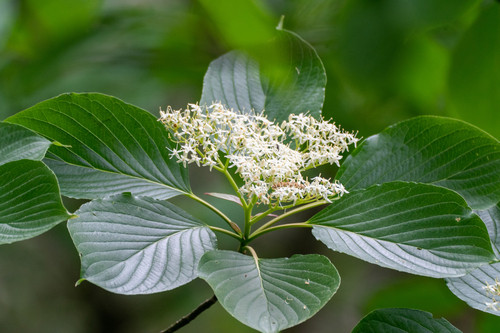
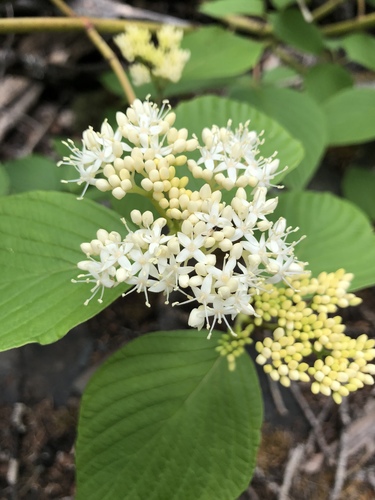
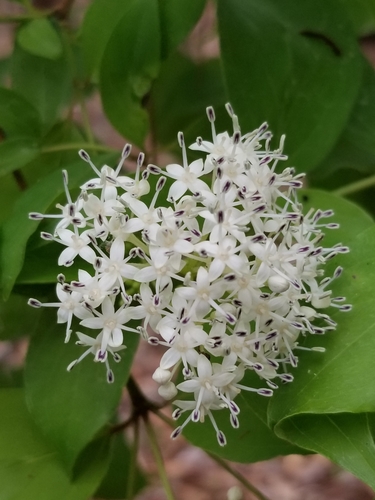
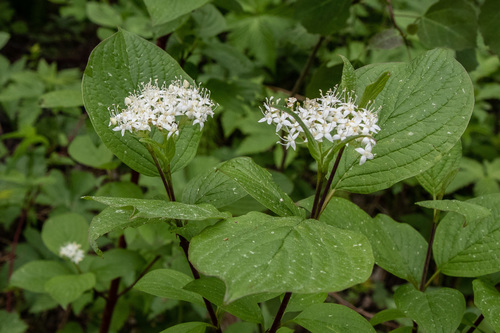
Cornus alba, commonly known as red-barked dogwood, white dogwood, or Siberian dogwood, is a species of flowering plant in the family Cornaceae. It is native to Siberia, northern China, and Korea. This plant is a large deciduous suckering (surculose) shrub that can also be grown as a small tree. It is a popular ornamental plant used in landscaping. Its most notable features are its bright red stems from fall through late winter that provide vivid winter color, as well as variegated foliage in some cultivars, such as C. alba 'Elegantissima'. The species can reach 3 m (10 ft) in height, but variegated forms grow less vigorously. To encourage young shoots that produce the brightest winter bark, some older stems should be cut to the ground at the end of winter before leaves emerge. The oval fruits of Cornus alba are white, sometimes with a blue tint. This plant is extremely hardy, suitable for USDA Zone 3, and tolerates temperatures as low as −40 °C (−40 °F). Its Latin specific epithet alba means "white". Four of its cultivars have received and been confirmed to hold the Royal Horticultural Society's Award of Garden Merit as of 2017: 'Aurea', which has yellow leaves; 'Elegantissima', which has deep red stems and small white flowers; 'Sibirica', which grows to 2.5 m (8 ft 2 in) tall, has brilliant red stems and cream-colored flowers; and 'Spaethii', which has variegated leaves with yellow margins.