About Cordia dichotoma G.Forst.
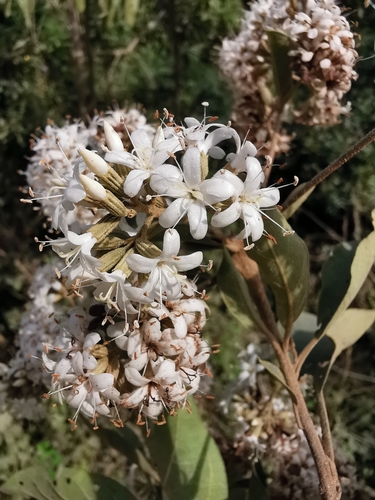
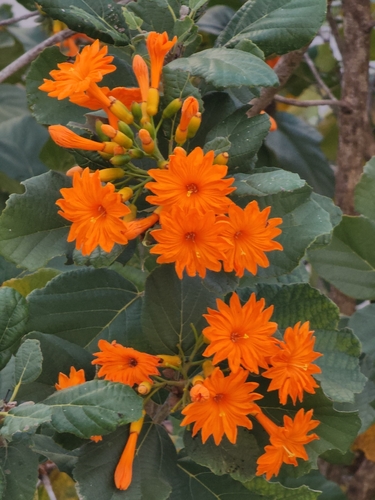
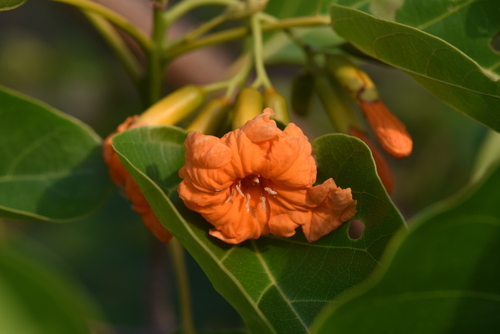
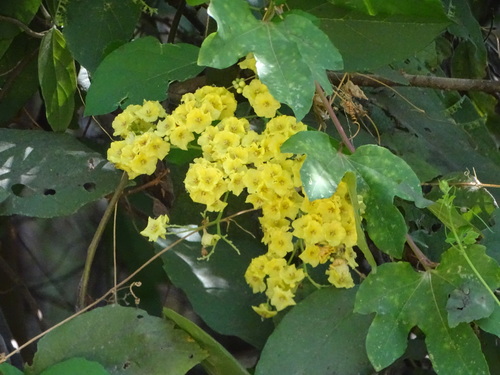
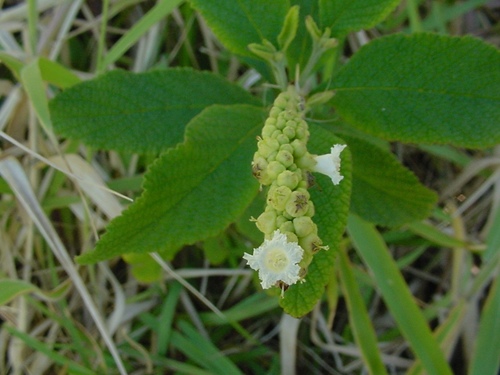
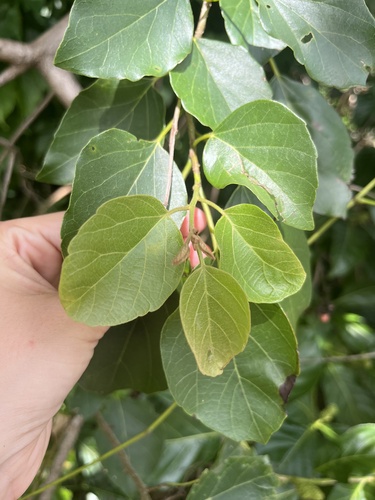
Cordia dichotoma G.Forst. is a small to moderate-sized deciduous tree with a short bole and spreading crown. Its stem bark is greyish brown, and can be either smooth or longitudinally wrinkled. Flowers are short-stalked, bisexual, white, and open only at night. The fruit is a yellow or pinkish-yellow shining globose structure that turns black when ripening, and develops a viscid pulp. Cordia dichotoma is native to China (including Fujian, Guangdong, Guangxi, Guizhou, southeast Tibet, and Yunnan), the Ryukyu Islands of Japan, Taiwan, India (including the East and West Himalayas), Pakistan, Sri Lanka, Cambodia, Laos, Burma, Philippines, Thailand, Vietnam, Indonesia, Malaysia, Papua New Guinea, Australia (Northern Territory and Queensland), New Caledonia and Vanuatu. It grows in tropical and subtropical regions, and occurs in a variety of forest types, ranging from the dry deciduous forests of Rajasthan to the moist deciduous forests of the Western Ghats and tidal forests in Myanmar. It has been introduced into Cuba, Florida, Guatemala, the Leeward Islands, the Marianas, Mexico, Puerto Rico, Tobago, Trinidad and the Windward Islands. The larvae of the butterfly Arhopala micale feed on the leaves of C. dichotoma. Immature fruits are used in South Asian pickles, and also as vegetable fodder. The leaves yield good quality fodder, and the fruits of C. dichotoma are edible. C. dichotoma fruits are an ingredient in Joshanda, a Unani herbal medicine used to manage colds, coughs, sore throats, nasal congestion, respiratory problems, and fevers. Joshanda also contains seeds of Khatmi (Althaea officinalis), dried rhizomes of mulethi (Glycyrrhiza glabra), seeds of Khubbazi (Malva rotundifolia), leaves of Gaozaban (Onosma bracteatum), flowers of Banafsha (Viola odorata) and dried fruits of Unnab (Ziziphus jujuba). The fruits of C. dichotoma are a rich source of polysaccharides, and are potential sources of phytochemicals with antibacterial and antioxidant activities.