About Coptotermes formosanus Shiraki, 1909
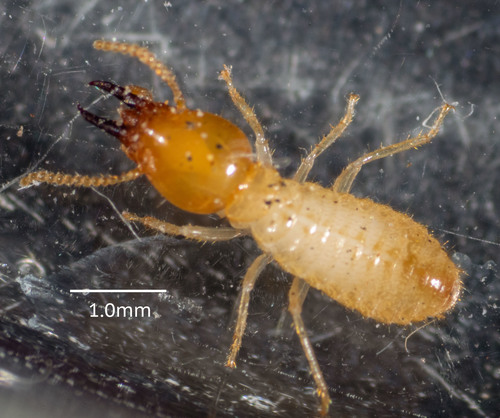
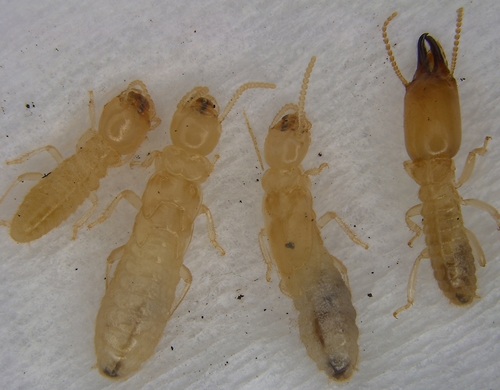
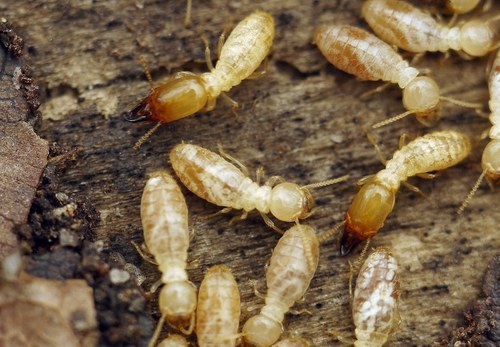
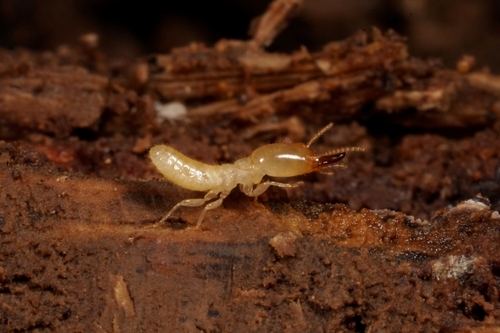
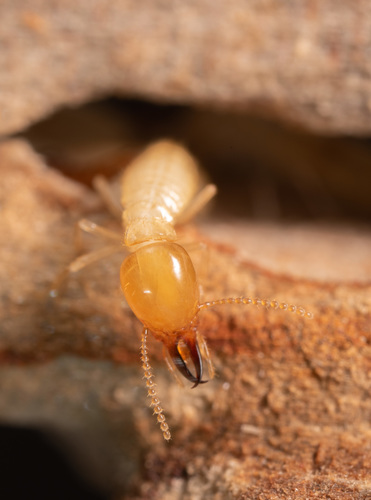
The Formosan termite, scientifically known as Coptotermes formosanus Shiraki, 1909, is a termite species native to southern China. It has been introduced to Taiwan, which was formerly called Formosa and gives the species its common name, as well as Japan, South Africa, Sri Lanka, Hawaii, and the continental United States. This termite is commonly nicknamed the "super-termite" because of its highly destructive habits, which stem from the large size of its colonies and its capacity to consume wood very quickly. Large enough populations of Formosan termites have even shown up on weather radars in New Orleans. A single mature Formosan termite colony can eat up to 13 ounces (around 400 grams) of wood per day, and can cause severe damage to a structure in as little as three months. Formosan termites infest a very broad range of structures, including boats and high-rise condominiums, and can also damage living trees. In the United States, Formosan termites, along with another introduced Southeast Asian species Coptotermes gestroi, cause tremendous amounts of property damage that lead to very high treatment and repair costs.