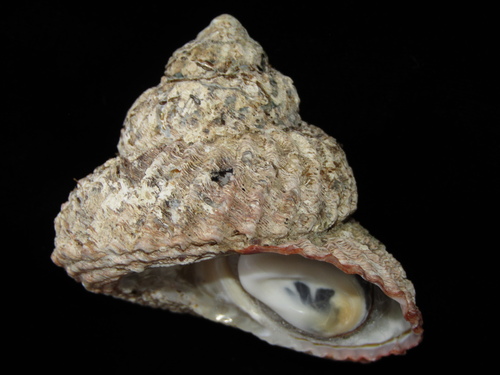
About Cookia sulcata (Lightfoot), 1786
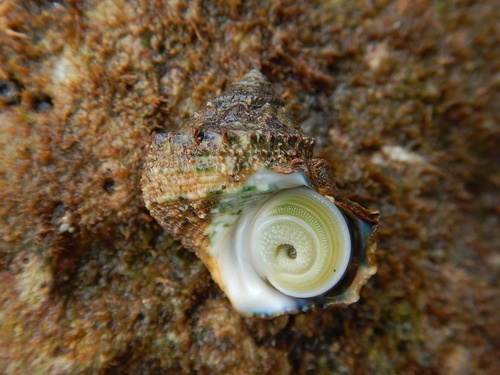
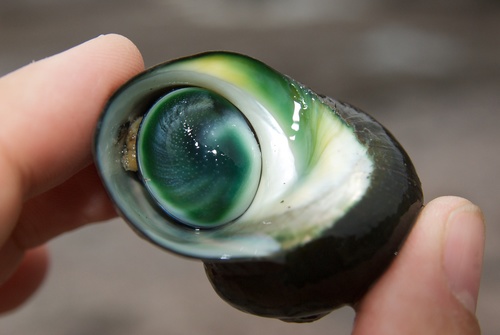
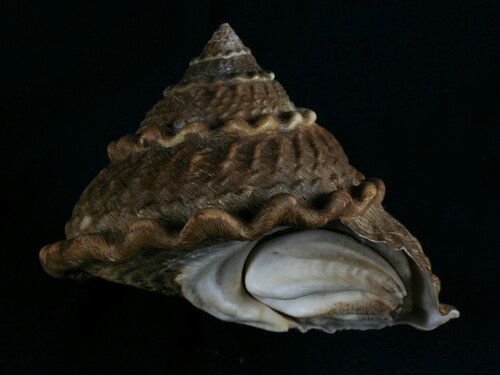
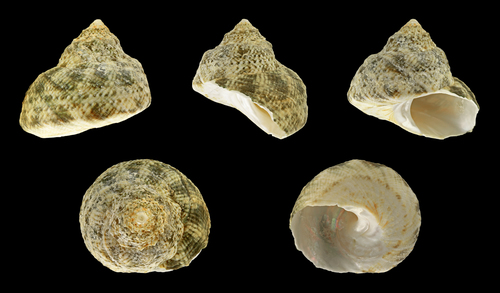
Cookia sulcata (Lightfoot), 1786 is a marine species. The shell of this species reaches a length between 50 mm and 90 mm. It is large, imperforate, rather thin, and conical in shape, with a rounded periphery. Its spire is more or less elevated, and its sutures are deeply impressed. There are seven well-rounded whorls, which have close lamellose incremental striae, and are corrugated by obliquely descending subtuberculose folds. The base of the shell is flattened, with concentric densely squamose lirae; it is deeply concave at the center, and indented where the umbilicus would normally sit. The aperture is transversely oval, very oblique, and pearly and somewhat corrugated on the inside. The thin columella is arcuate. A thin callus covers the umbilical region and part of the base. The inner surface of the operculum is brownish or white. The median tooth of the radula has a long basal plate and a short body; it has no cusp, and has small supporting wings. The first lateral tooth is very similar in structure to the first lateral tooth of Pomaulax. The other lateral teeth bear cusps. The inner marginal tooth is very broad, with a wide cusp. The cusps of the outer marginal teeth are simple. This species is found in marine waters off the coast of New Zealand.