About Convolvulus lineatus L.
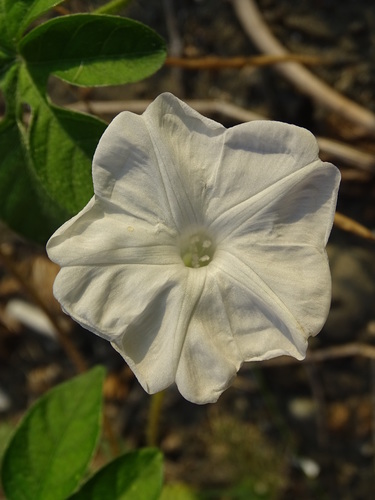
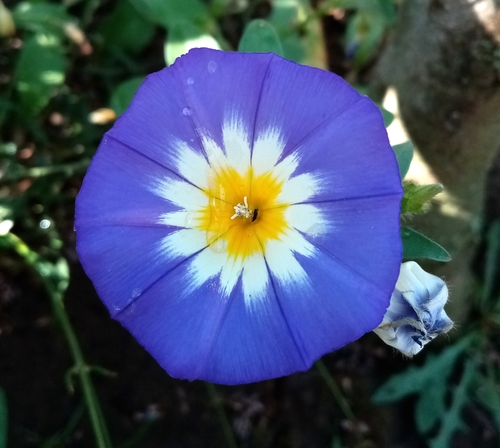
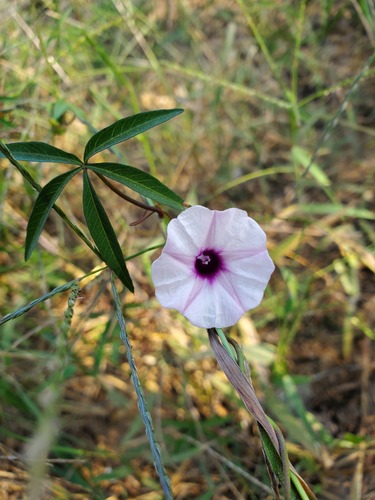
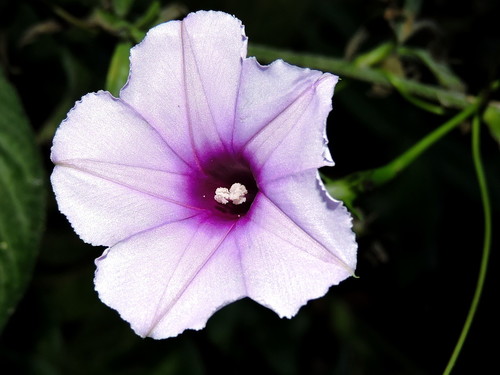
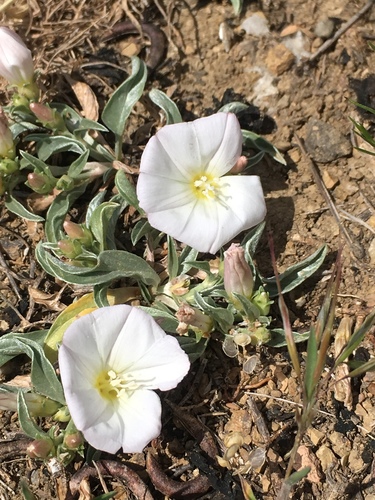
Convolvulus lineatus L. is a perennial hemicryptophyte, meaning its overwintering buds sit at soil level. It is characterized by a woody rootstock and low, trailing herbaceous stems, and typically grows to around 25 cm tall. It reproduces vegetatively via rhizomes, which are underground stems that let it spread close to the parent plant, and it often forms small clonal patches. Its leaves range from linear to elliptical or oblanceolate (spoon-shaped, with the widest section closer to the leaf tip), and are distinctly silver-sericeous (covered in soft, silky hairs) on both surfaces, which gives the plant a characteristic silvery look. Its flowers are funnel-shaped, and have been observed to be protandrous: the male reproductive parts mature before the female parts, a trait that encourages cross-pollination. This species has a broad geographic range, found in North Africa, Southern Europe, Turkey, Caucasia, Syria, Iran, and extending east to Turkmenistan. It typically grows at altitudes between 0 and 50 metres above sea level. In Cyprus, it is only found on the Akrotiri Peninsula, growing mostly south of the Salt Lake of Akrotiri (also called Limassol Salt Lake), with scattered individual plants recorded across the area of Akrotiri village. Research on Convolvulus lineatus has recorded a range of insect visitors to its flowers, mostly beetles (order Coleoptera) and bees and wasps (order Hymenoptera). These insects feed on the plant's pollen, and as they move, they carry pollen from anthers to stigmas, so they may act as pollinators for the species. When disturbed, some of these insects display thanatosis, meaning they play dead, but they still contribute to pollination because pollen remains attached to their bodies through these interactions.