About Conus ebraeus Linnaeus, 1758
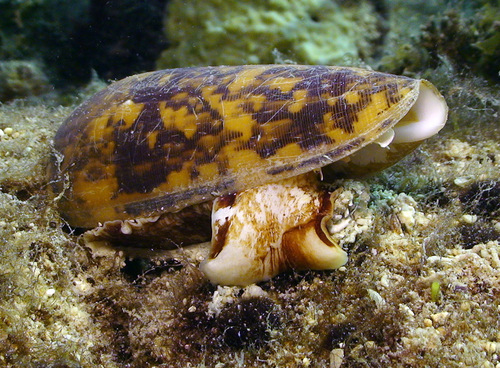
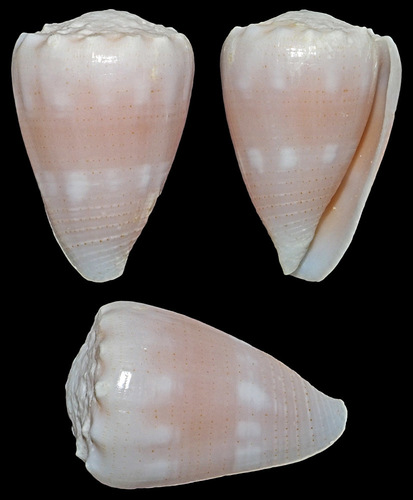
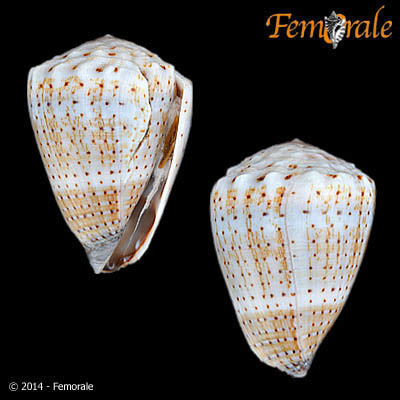
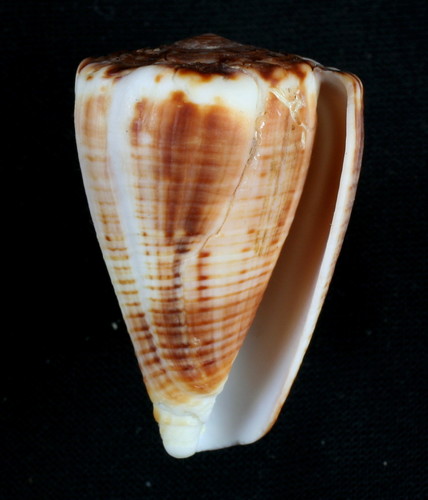
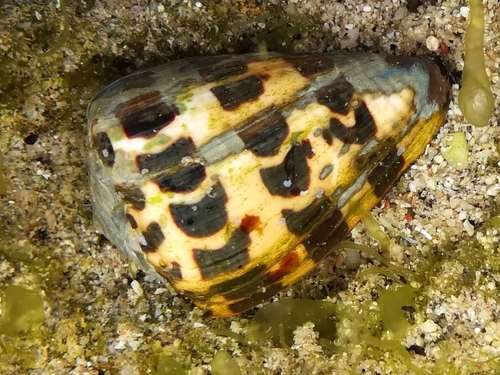
The shell height of Conus ebraeus Linnaeus, 1758 ranges from 25 mm to 62 mm. For the type specimen, shell width measures 19 mm and shell height measures 28 mm. This species has a small, squat shell with a rounded, short spire that is easy to recognize. The base color of the shell is white, marked with a pattern of blackish squares that are sometimes rose-tinted. There are three or four revolving bands made up of irregular longitudinal dark chocolate or nearly black markings, and these same markings also decorate the slightly coronated spire. The aperture is white with clouded bands that align with the markings on the shell's exterior. The entire shell surface is more or less striate, with striae that are more prominent toward the dark-stained base. Conus ebraeus is extremely similar to Conus judaeus, and the two can only be reliably distinguished by close examination of their radular teeth. Conus ebraeus is one of the most widely distributed species in the genus Conus. It occurs in shallow tropical waters across the Indo-West Pacific and eastern Pacific, ranging from the Red Sea to the coasts of the Americas. Its type locality is India, and confirmed localities include Aldabra, Chagos, Guam, Hawaii, Houtman Abrolhos, Kenya, Madagascar, Mascarene Basin, Mozambique, Okinawa, Papua New Guinea, Red Sea, Tanzania, Taiwan, and the West Coast of South Africa. This species lives near rocky shores in the lower eulittoral zone, where it is often found under boulders.