About Conopodium majus (Gouan) Loret
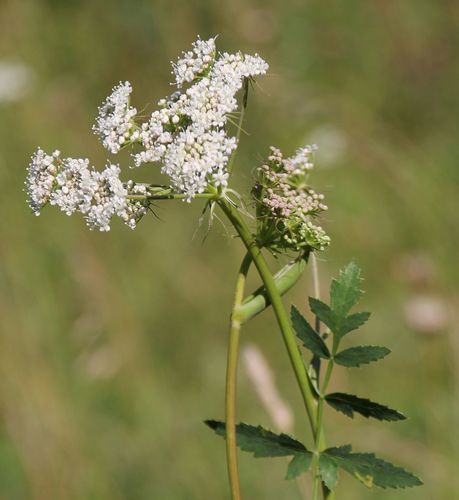
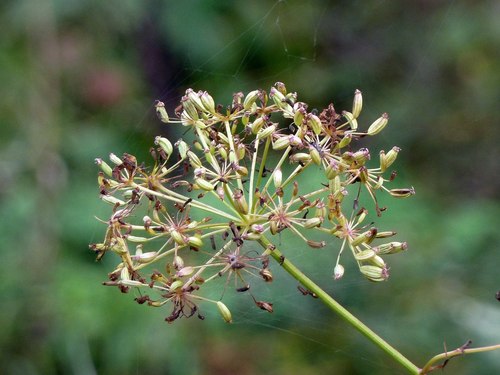
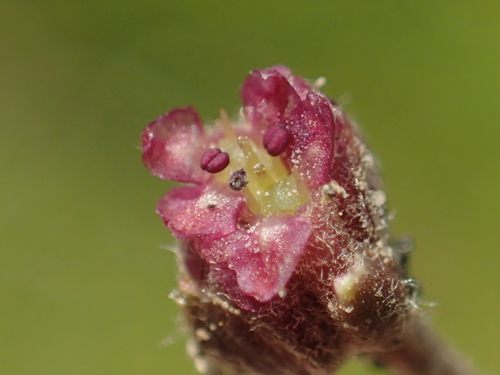
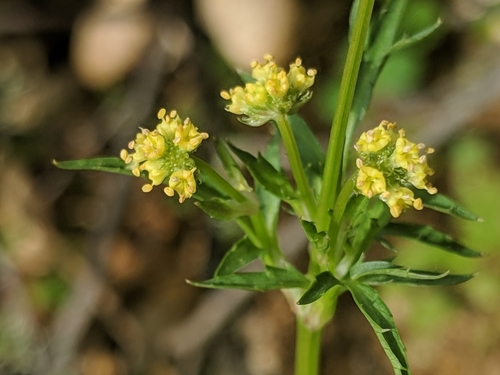
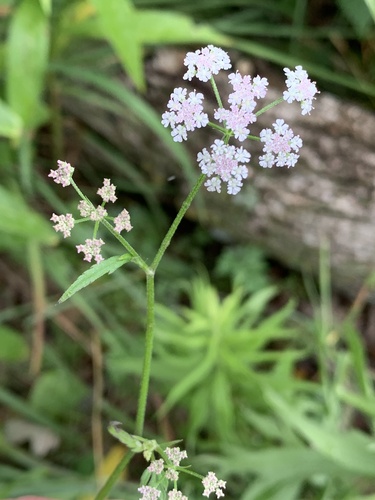
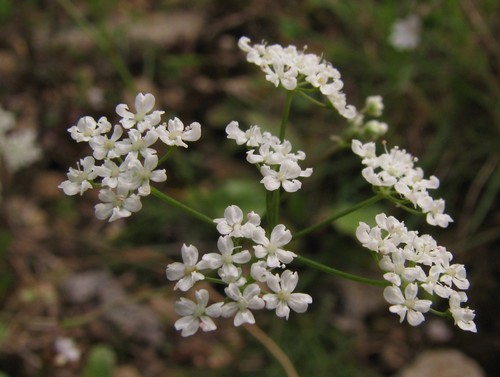
Conopodium majus (Gouan) Loret has a smooth, slender stem that grows up to 40 centimetres (16 inches) high. It produces much-divided leaves, and small white flowers arranged in many-rayed terminal compound umbels. Its rounded underground structure, which different authorities have inconsistently categorized as a tuber, corm, or root, is similar to a chestnut in its brown color and size, reaching up to 25 millimetres (1 inch) in diameter. This structure has a sweet, aromatic flavor that has been compared to chestnut, hazelnut, sweet potato, and Brazil nut. This species is a common native plant native to western Europe, the British Isles, and Norway. It grows in hedgerows, woods, and fields, and acts as an indicator of long-established grassland. In the wild, it is never found growing on alkaline soils. When cultivated, this species produces larger tubers than it does in the wild. It is considered likely that careful selective breeding could develop a much more productive variety of this plant. The plant is palatable and nutritious, and its edible qualities are widely praised. It is popular among wild food foragers, but it remains a minor crop, partially because of its low yields and the difficulty of harvesting it.