About Colias hyale (Linnaeus, 1758)
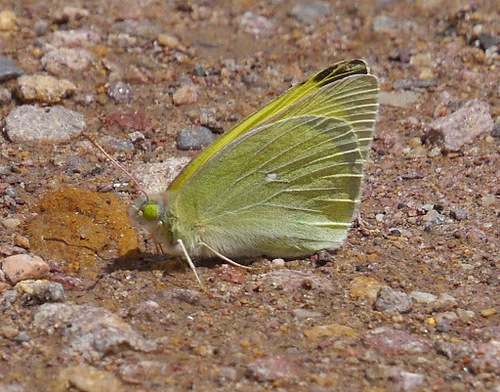
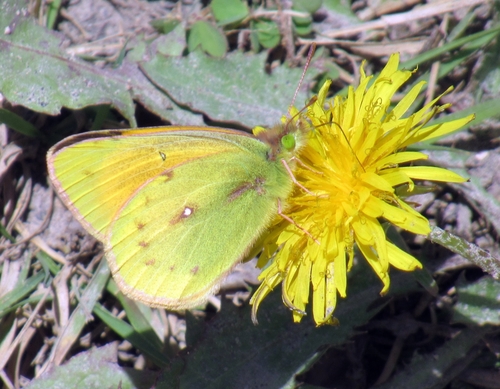
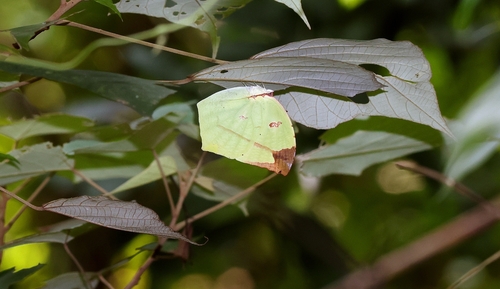
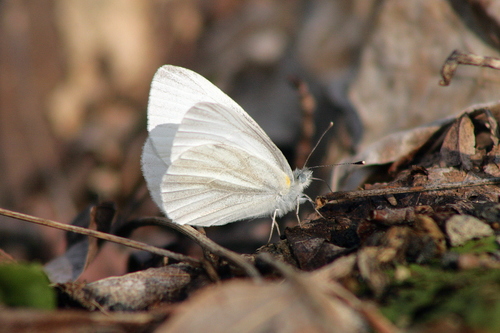
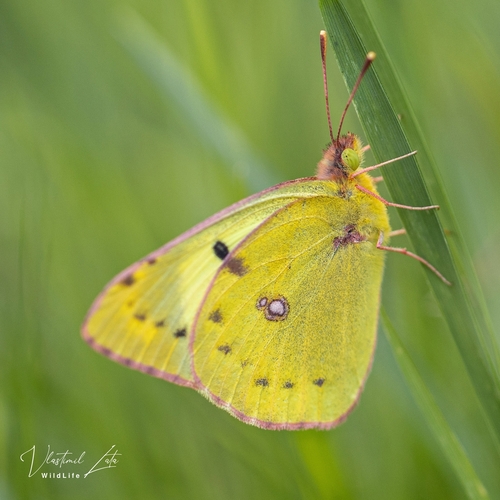
The upperside of the male Colias hyale is more or less light lemon yellow. It has more or less complete black marginal and submarginal bands across both wings, a large black middle spot on the forewing, and an orange-yellow double spot at the center of the hindwing. The base of the wings is more or less dusted with black. The underside is bright yellow, somewhat lighter on the forewing, with small marginal and larger submarginal red-brown spots. The forewing’s middle spot is black with a pale center, while the hindwing has a mother-of-pearl colored double spot surrounded by a double red-brown ring. The fringes on both the upper and lower wing surfaces, as well as the head and antennae, are red brown. In the female, the ground color of the upperside, and the proximal area of the forewing underside, is white with a slight yellowish tint. The egg of Colias hyale is bottle-shaped and whitish, marked with yellowish-brown stripes. The larva is bluish green or grass green with a velvety texture. It has two rows of blackish dots along its back, crossed by two thin yellow longitudinal lines, and a yellow or reddish longitudinal side line above the legs; the larval head is dark green. Autumnal larvae lack black dorsal spots. The pupa is green with yellow lateral lines. This species inhabits flower meadows up to 2,000 metres above sea level. It is common across the entire Palaearctic Region. It has only been recorded once in Ireland, in 1868, and in England it occurs only in the south.