About Cnidoglanis macrocephalus (Valenciennes, 1840)
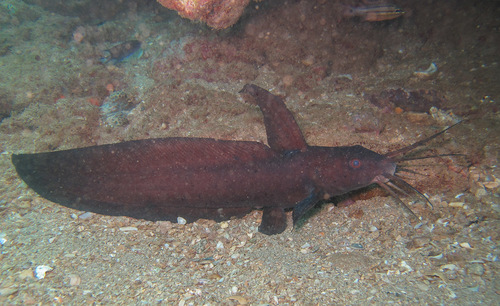
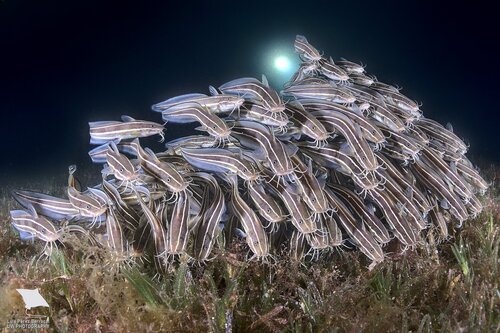
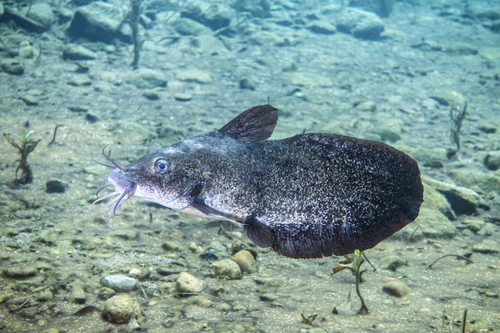
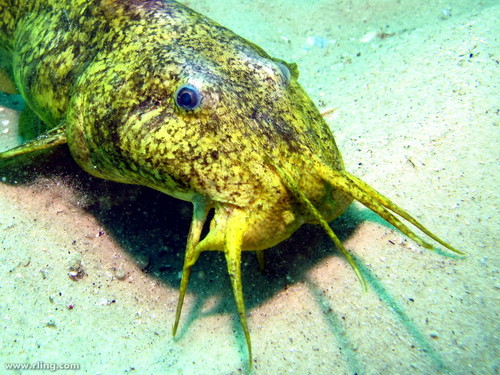
Like other eeltail catfish, Cnidoglanis macrocephalus (Valenciennes, 1840), commonly called the cobbler or estuary cobbler, has a catfish-like front body and an eel-like rear body. This species can reach a maximum length of 91 centimetres (36 in) standard length and a maximum weight of 2,500 g (5.5 lb), and individuals may live up to 13 years. Its dorsal and pectoral fins bear sharp, venomous spines that can cause painful wounds if they injure a person. The cobbler is distributed across two discontinuous Australian coastal ranges: from Main Beach, Queensland to Jervis Bay, New South Wales, and from Kingston SE, South Australia to the Houtman Abrolhos Islands, Western Australia; it also occurs at Duck River, Tasmania, where it lives in near-shore and reef habitats. The estuary cobbler is an inshore marine species that inhabits shallow bays and sandy inlets near river mouths. It occurs most often over sand, rocks, and weeds in waters that range from clear to turbid. During the day, the estuary cobbler is most commonly found in holes and on ledges in banks. It remains sheltered in holes and under ledges throughout the day, and emerges at night to feed. It is an opportunistic feeder, and its diet mainly consists of bivalve and gastropod molluscs, prawn and amphipod crustaceans, polychaete worms, algae, and organic debris. Juvenile estuary cobblers eat more crustaceans, often foraging among drifting macrophytic algae, while adult individuals feed mainly on molluscs and polychaetes. Estuary cobblers are preyed on by water birds including cormorants and pelicans.