About Clinopodium macrostemum (Moc. & Sessé ex Benth.) Kuntze
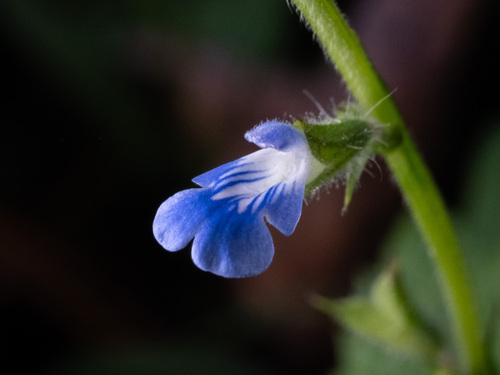
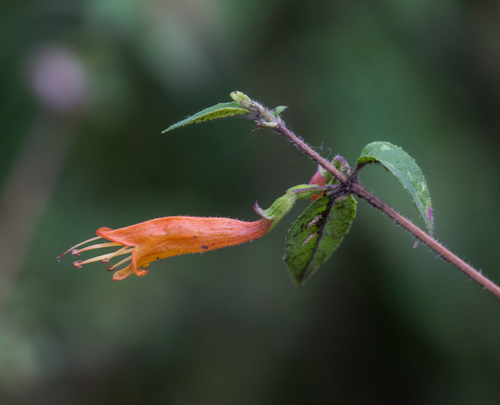
This species is a bushy plant ranging from 1 to 3 meters in height, with erect stems and arching branches. Its leaves have petioles that measure 2 to 5 millimeters, with leaf blades 1 to 4 centimeters long and 6 to 15 millimeters wide. It produces bell-shaped flowers 2 to 3.5 centimeters long, colored in shades from orange to reddish. It typically grows in temperate pine-oak or oyamel forests, at altitudes between 2,400 and 3,200 meters above sea level. It has a continuous distribution across the Mexican states of Jalisco, Michoacán, State of Mexico, Morelos, Guerrero, Puebla, Oaxaca, and southern Hidalgo, with isolated specimens recorded in Sinaloa and Durango. The essential oil from the leaves of this plant (locally called nurite) contains 32 main compounds, including 55.4% linalool, 6.4% nerol, 6.25% caryophyllene, 5.8% menthone, 4.1% geranyl acetate, 3.7% terpineol, and 2.8% pulegone. Other identified compounds in the plant include limonene, camphor, thymol, p-cymene, α-terpineol, oleanolic acid, ursolic acid, and 3-hydroxy-ursenoic acid. Because of its chemical composition, the plant is commonly attributed to have relaxing, antioxidant, antimicrobial, and larvicidal properties against mosquito pupae; its antimicrobial activity can inhibit up to 80% of bacteria including Escherichia coli, Staphylococcus aureus, Pseudomonas aeruginosa, and Klebsiella pneumoniae. The essential oil’s demonstrated antioxidant properties are possibly attributed to its high thymol content. Methanol extracts of Clinopodium macrostemum have been shown in laboratory rats to reduce liver tissue damage caused by ingestion of paracetamol and exposure to carbon tetrachloride. In traditional medicine, the Purépecha people of Michoacán use nurite to treat stomach upsets, and attribute properties to it for treating infertility. In Oaxaca, it is used to treat hangovers from excessive alcohol consumption, used as a fever reducer, to treat stomach ailments, and to aid in labor for people under 30 years of age. It is also consumed as an everyday food, prepared as an infusion, added to fresh water, used as a condiment, or simply eaten with a tortilla.