About Clethra alnifolia L.
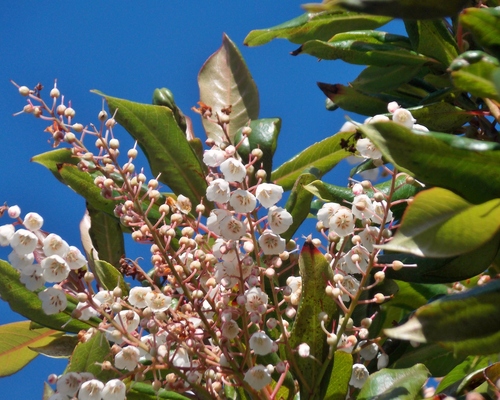
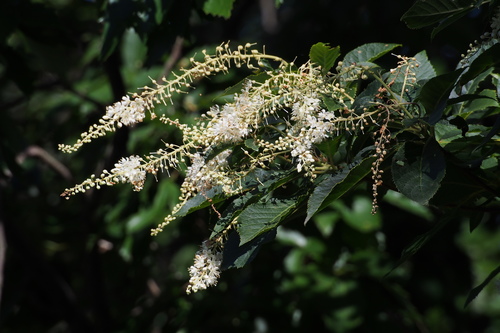
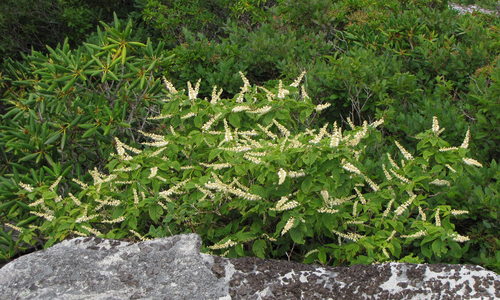
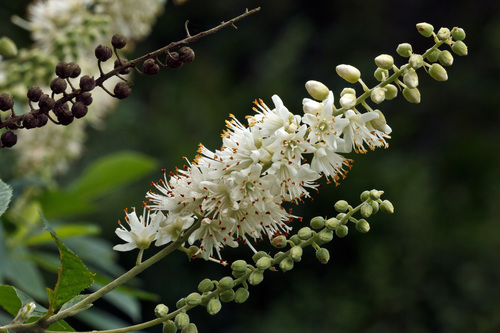
Clethra alnifolia L. is a deciduous shrub that reaches a height of 1.5–3 m (4 ft 11 in – 9 ft 10 in). It bears alternately arranged leaves, which are obovate to oblong in shape, 4–10 cm long and 2–4 cm wide, with serrated margins. The leaves are green during the growing season, and turn yellow-gold in autumn. Its flowers are white or very pale pink, 5–10 mm in diameter, with a sweet, somewhat cloying scent; the overall scent of this species is always described as sweet. Flowers attract bumblebees, and grow in racemes up to 15 cm long and 2 cm broad that appear in late summer, with timing varying by cultivar. The 'pepper' portion of its common name comes from its mature seed capsules, which vaguely resemble peppercorns but have no spicy taste. This shrub grows in wet forests, pine flatwoods, wetlands, and bogs, and is often found along woodland streams. It has moderate salt tolerance and occurs inland within coastal regions, and prefers neutral to acidic soil. A small disjunct population of this species in Nova Scotia is endangered, and the species is listed as threatened under Canada's Species at Risk Act. In cultivation, Clethra alnifolia is commonly used as a shrub in natural gardens, or planted along streams and pond edges to slow erosion. It does not produce new leaves until very late in the growing season, which limits its usefulness in landscaping. Several cultivars have been selected for garden planting, including 'September Beauty'. 'Ruby Spice', which bears strongly pink flowers, and the dwarf cultivar 'Hummingbird', have both received the Royal Horticultural Society's Award of Garden Merit, a status that was reconfirmed in 2017.