About Citheronia sepulcralis Grote & Robinson, 1865
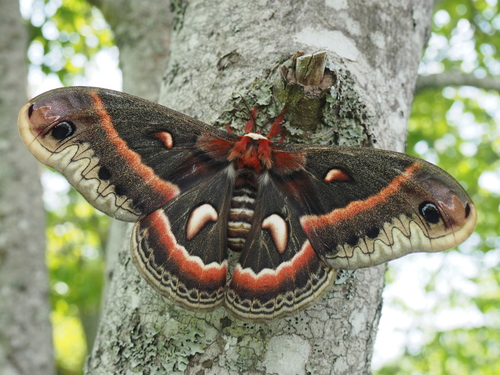
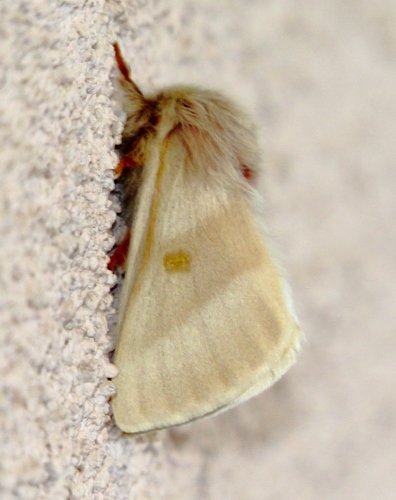
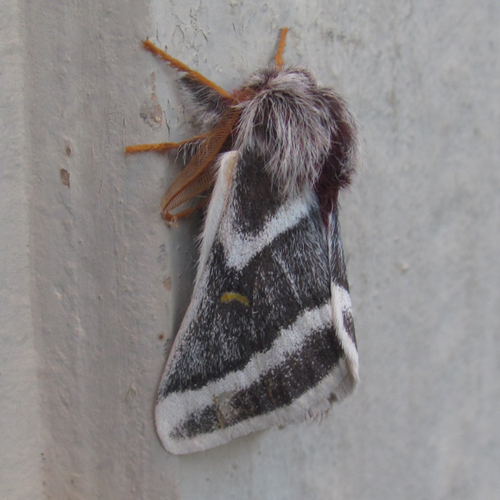
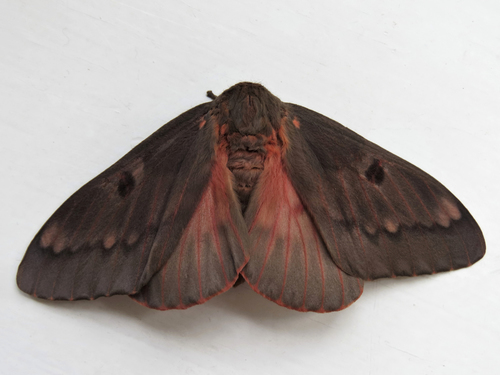
Citheronia sepulcralis, commonly known as the pine-devil moth, is a Nearctic moth species belonging to the family Saturniidae and the subfamily Ceratocampinae. Individuals of this species are blackish brown. It was first formally described by Augustus Radcliffe Grote and Coleman Townsend Robinson in 1865. Adults of this moth fly in multiple broods, and can be found in various parts of the United States throughout the year. Confirmed recorded locations of the species include the U.S. states of Georgia, Kentucky, Massachusetts, North Carolina, South Carolina, Pennsylvania, Louisiana, Florida and Maine. It is most common in Florida and Louisiana. In the northern United States, broods fly during June and July. In southern U.S. states, these moths fly from April through June. In Florida City, Florida, multiple broods can fly from March through October. In terms of ecology, adult moths emerge in the morning and mate on the same night. Females lay eggs in groups of 1 to 3 on pine needles the following night. The known food plants for this species belong to the genus Pinus, that is, pines.