About Citharichthys sordidus (Girard, 1854)
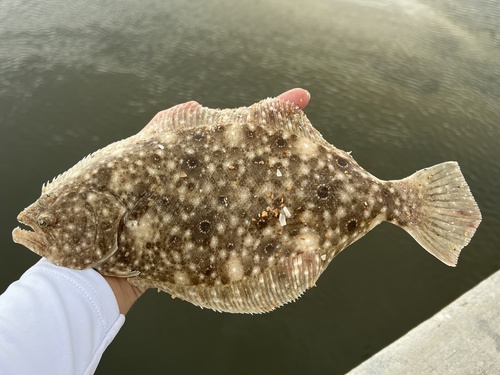
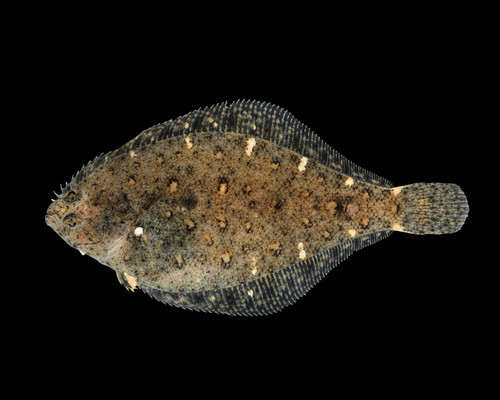
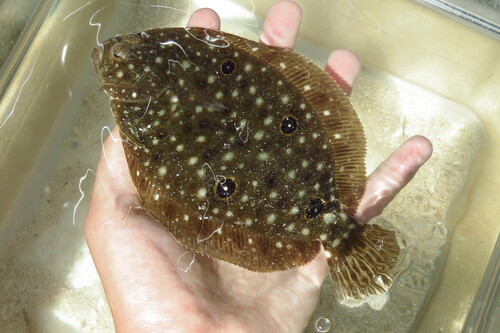
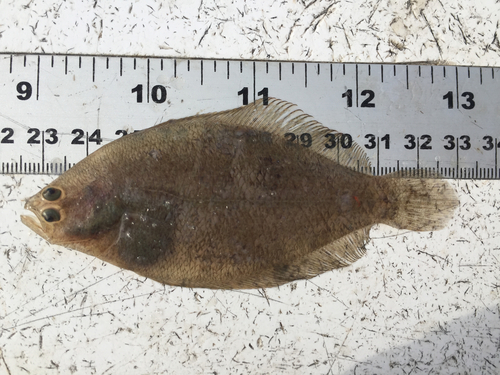
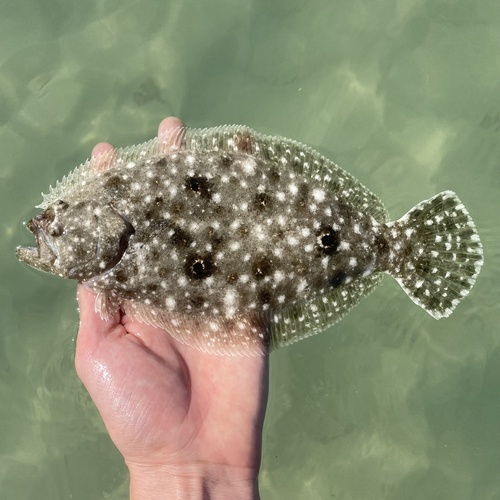
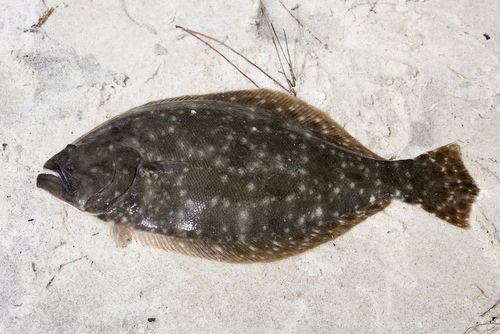
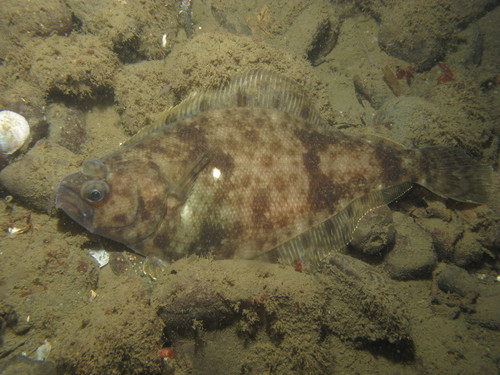
Citharichthys sordidus, described by Girard in 1854, is commonly called the Pacific sanddab, and is also known by the alternative common names soft flounder, mottle sanddab, and megrim. It is a species of flatfish in the order Pleuronectiformes. It is the most widespread and common sanddab species, and shares its habitat with two other sanddab species: the longfin sanddab (C. xanthostigma) and the speckled sanddab (C. stigmaeus). Adult Pacific sanddab are bilaterally asymmetrical and left-eyed, which means both of their eyes sit on the left side of the body. This is a medium-sized flatfish. Its eyed side is light brown, mottled with darker brown or black, and occasionally marked with white or orange spots. Its blind side is a uniform solid white or light brown. It has large eyes, large scales, and a deep, rounded body. The Pacific sanddab is endemic to the eastern Pacific Ocean, with a range extending from the Bering Sea down to Baja California. Members of this species are most often found at depths between 50 and 150 meters (160 to 490 feet). Young Pacific sanddab live in shallower water, and will occasionally move into tide pools.