About Cisticola natalensis (A.Smith, 1843)
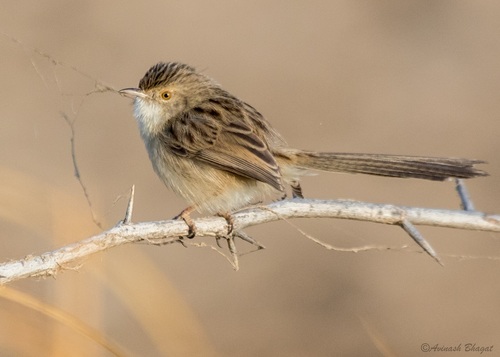
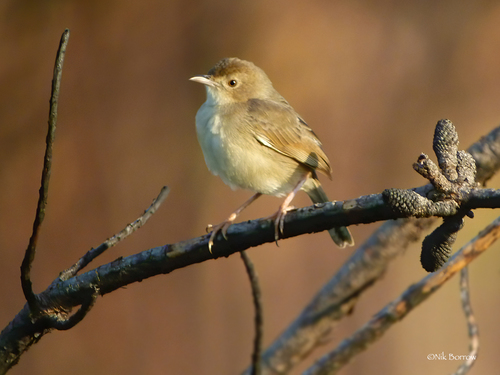
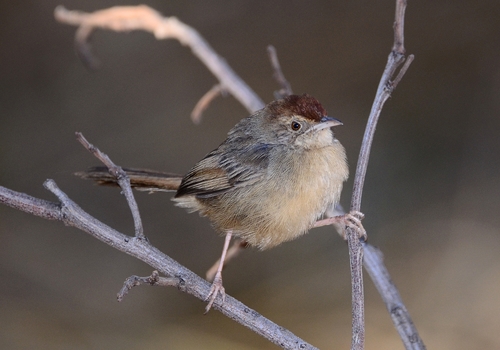
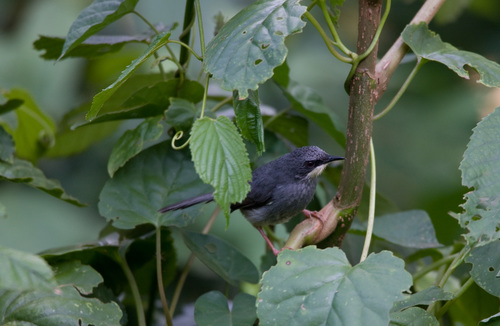
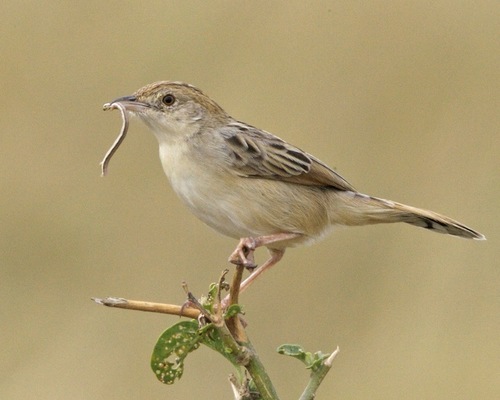
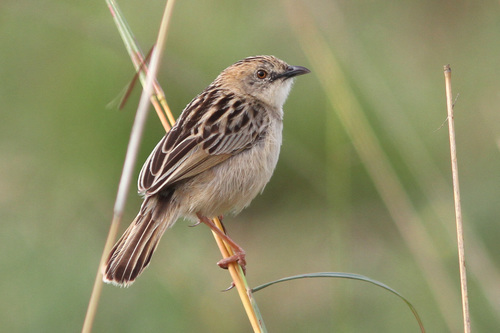
The croaking cisticola, with the scientific name Cisticola natalensis, is an Old World warbler that belongs to the family Cisticolidae. It is a permanently resident breeding species found across Africa south of the Sahara. This is an insect-eating passerine bird that inhabits dense rank grassland areas, frequently located close to swamps or other bodies of water. Male croaking cisticolas are polygamous. The female builds a well-concealed nest deep within grasses, typically binding living leaves into a soft material made from felted plant down, cobwebs, and grass. The nest of the croaking cisticola is ball-shaped with an entrance on its side, and the female lays between 2 and 4 eggs per clutch. This species is the largest among all cisticolas. The upperparts of this warbler are grey-brown, marked with heavy black streaking. Its underparts are whitish. The tail is broad, has pale tips, and is flicked frequently. The species has a chestnut-colored wing panel and a heavy bill. It looks very similar to many other members of its genus. It is most easily told apart from its many African relatives by its larger size and froglike croaking breep-breep song. For the entire cisticola genus, song is always the easiest characteristic to use for identification. Croaking cisticolas are more easily heard than seen. Due to their small size, measuring approximately 14 cm (5.5 in), they are not always easy to recognize, especially outside of the breeding season when they rarely leave their grassy habitats.