About Cissampelos pareira L.
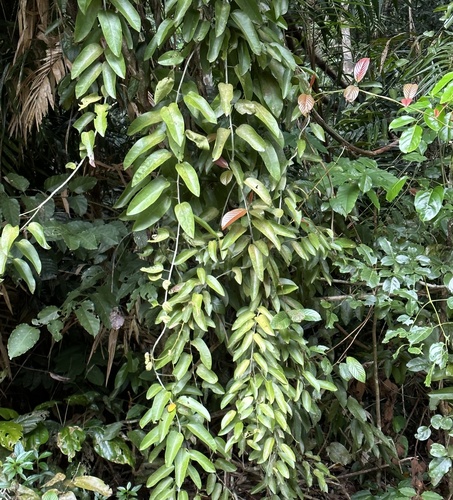
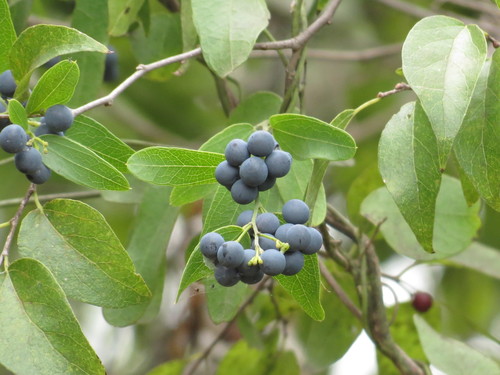
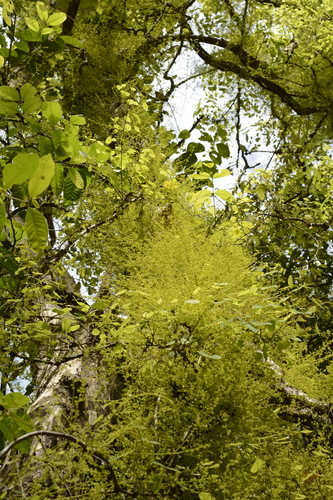
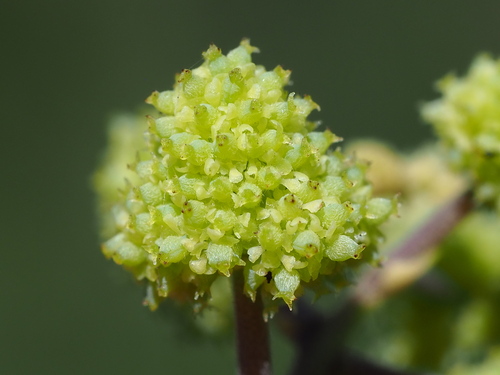
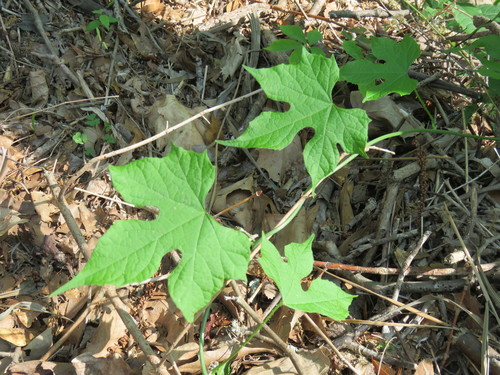
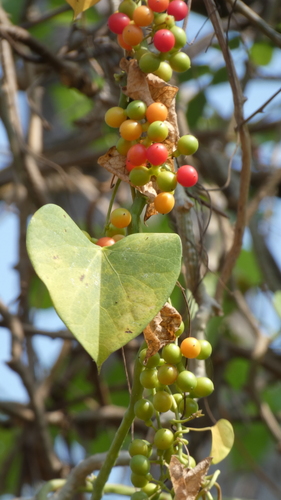
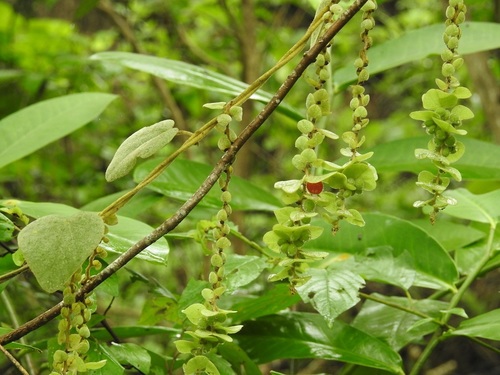
Cissampelos pareira L. is a slender tomentose climbing plant. Its leaves are peltate, 2.5–12 cm long and 2.5–11.5 cm broad. Leaves are triangularly broad-ovate or orbicular in shape, obtuse with a mucronate tip, and have a cordate or truncate base; both leaf surfaces are more or less tomentose, and petioles are pubescent. Flowers are small, with filiform pedicels. Male flowers grow in clusters in the axils of small leaves. They have 4 obovate-oblong sepals, which are hairy on the outside; 4 petals united to form a 4-toothed cup, also hairy outside; and 4 stamens with a short column, where anthers are connate and encircle the top of the column. Female flowers grow in clusters in the axils of orbicular, hoary imbricate bracts, borne on 5–10 cm long racemes. Female flowers have 1 sepal, 1 petal, and 1 densely hairy carpel, with a shortly 3-fid style. The fruit is a drupe 4–6 mm long and 3–4 mm broad, subglobose, compressed, and hairy-pubescent. It is red when fresh and black when dry; the endocarp is transversely ribbed and tuberculate. Seeds are horseshoe-shaped. In traditional medicine, this species is used in Chinese herbology under the Chinese names xí shēng téng (锡生藤) and yà hū nú (亞乎奴). It is also known as abuta, and called laghu patha in Ayurvedic medicine. In Tamil Nadu, it is named ponmusutai and used for a range of medicinal purposes. It has received some attention in Kenya, Tanzania, and other regions for its claimed antimalarial properties, and in India for its claimed antiviral properties, especially against Dengue virus.