About Cinchona pubescens Vahl
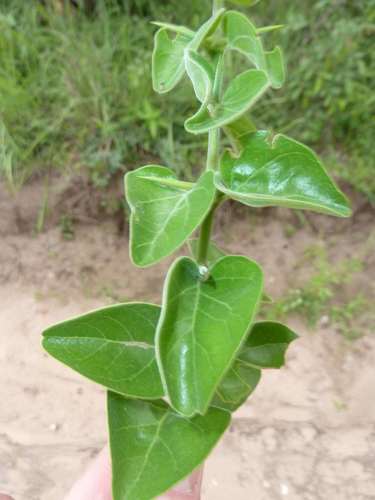
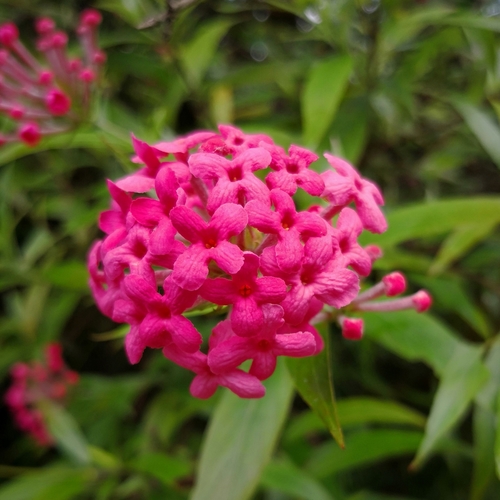
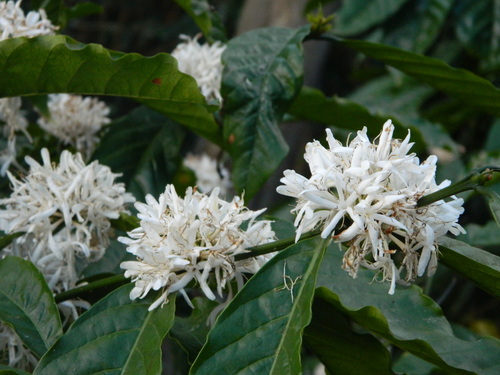
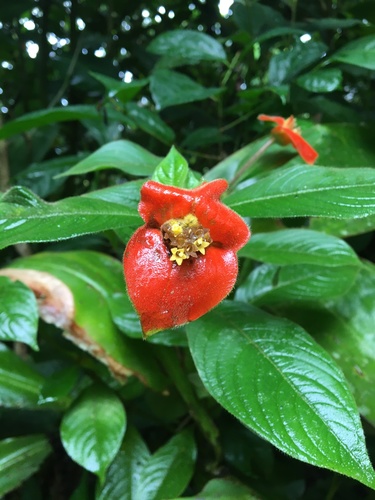
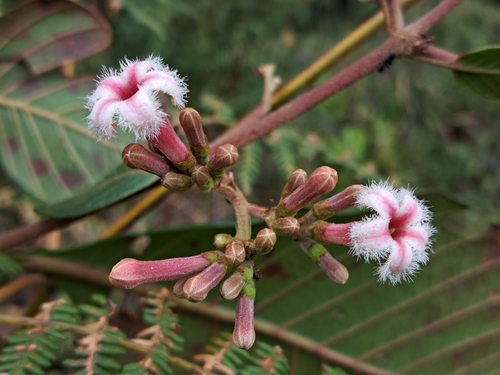
Cinchona pubescens Vahl varies in size from small to large, and can grow up to 10 metres (33 ft) tall. When cut, its bark typically turns red. The species produces thin leaves that are elliptical to oblate in shape. The leaves have pubescent teeth that turn red as they age, which gives the species its common nickname, the red quinine tree. Its flowers are arranged in large panicles; the flowers are pink and fragrant, and individuals growing in the Galapagos have light pink flowers. Cinchona pubescens has the widest native distribution of any Cinchona species. Its native range covers Costa Rica, Panama, Venezuela, Colombia, Ecuador, Peru, and Bolivia. In Ecuador, it grows at altitudes between 300 and 3,900 metres (980–12,800 ft). It grows well in high-nutrient volcanic soil. C. pubescens is a resilient species that can recover from even extreme damage. If the tree is cut down but the stump remains, it will regrow new stems. If bark is removed and the xylem is exposed to the elements, the tree will regrow the lost bark. The tree can even regrow from leftover roots larger than 2 cm in diameter. It reproduces rapidly and disperses its seeds via wind. It reaches maturity and begins producing seeds in 4 years. It grows at a rate of 1–2 m per year, quickly becoming tall enough to shade out other native plants. Adult trees grow much more slowly than juvenile trees.