About Chordeiles rupestris (von Spix, 1825)
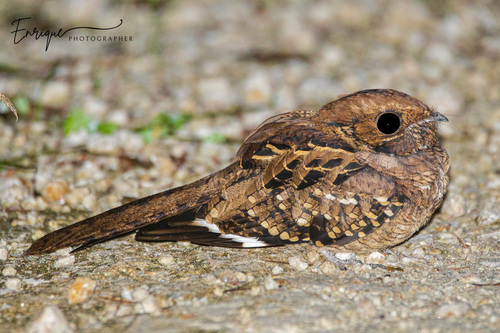
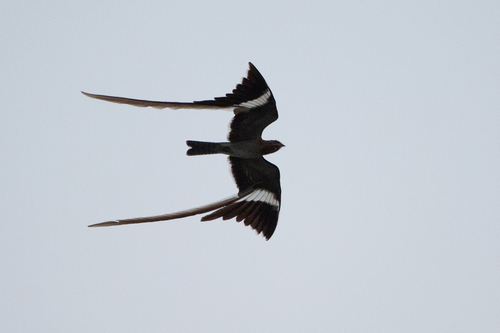
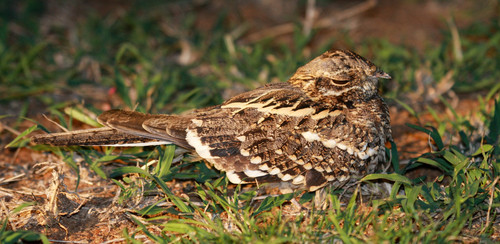
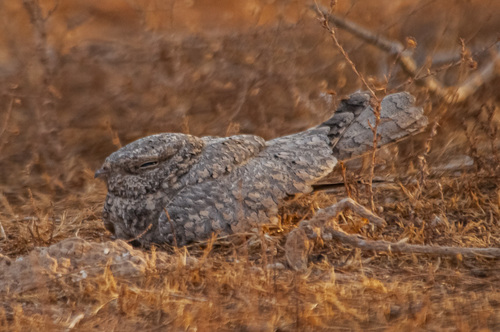
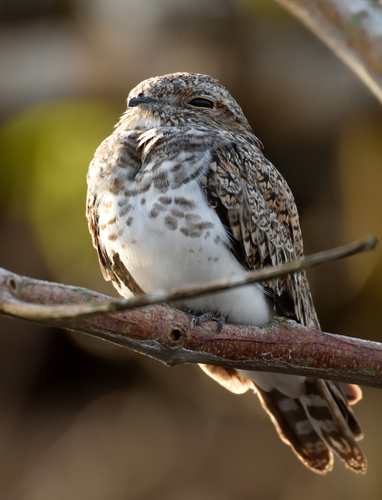
The sand-colored nighthawk (scientific name Chordeiles rupestris (von Spix, 1825)) is 20.5 to 22 centimeters (8.1 to 8.7 inches) long. Its upperparts are pale grayish brown, marked with darker brown streaks, bars, and spots. The chin and throat range from white to buffy white. The breast is grayish white with a cinnamon tinge, patterned with brown bars and spots. The belly is white, with brown spots on its upper portion. The underside of the wing is also mostly white. The nominate subspecies of the sand-colored nighthawk has a wide distribution across northwestern Amazonia, occurring in southeastern Colombia, southwestern Venezuela, northeastern Peru, and northwestern Brazil. It also occurs in a narrower range along river corridors in eastern Ecuador, eastern Peru, northern Bolivia, and western Brazil. The subspecies C. r. xylostictus is found only in Cundinamarca Department, Colombia. The species as a whole lives in the western Amazon basin, primarily along watercourses, but also occupies oxbow lakes and grassy clearings such as airstrips. It is very rarely found in areas above 500 m (1,600 ft) in elevation.