About Chirodactylus brachydactylus (Cuvier, 1830)
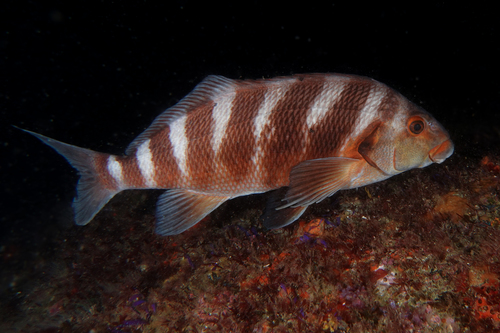
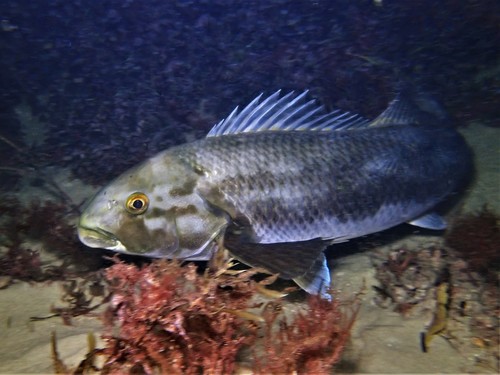
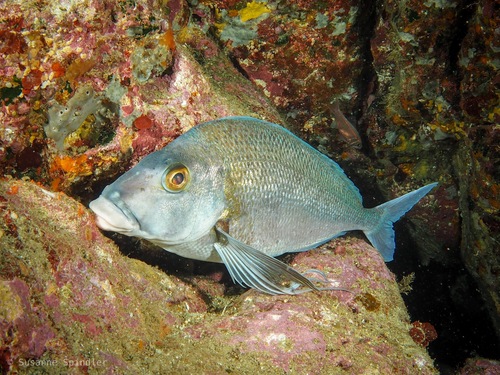
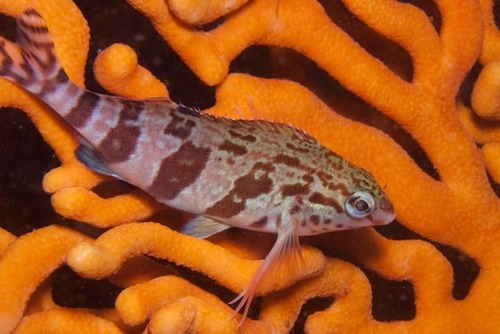
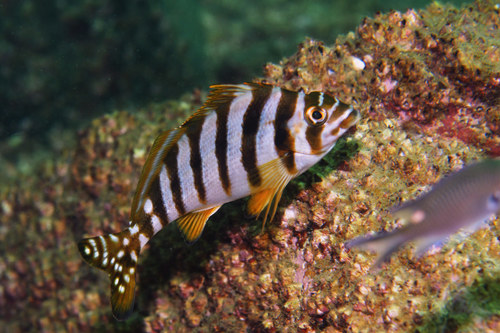
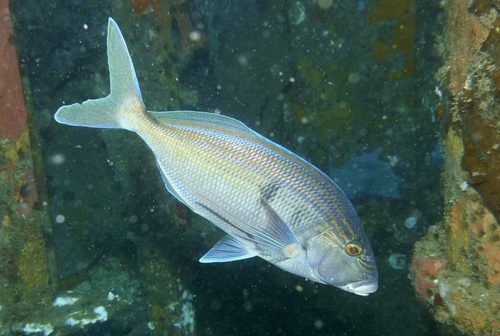
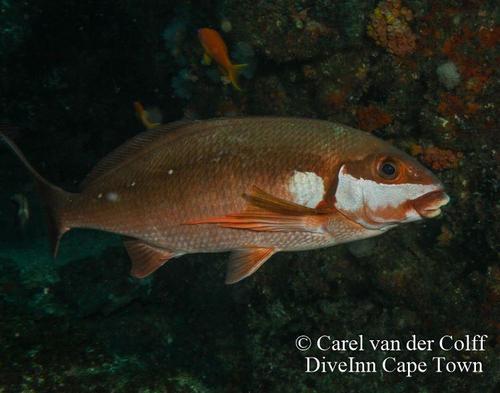
This species is scientifically named Chirodactylus brachydactylus (Cuvier, 1830). Adult individuals have a basic brown body color that is paler on the ventral side. There is a distinct brighter white area below the eyes on the front portion of the body, plus a row of five white spots that runs along the lateral line. Juveniles are silvery, with orange anal and paired fins. Their color transitions to the adult coloration when they reach approximately 5 cm in length. This fish has fleshy lips surrounding a small mouth. It can reach a maximum length of 40 cm and a maximum weight of 3 kg. It reaches maturity at 25 cm in length and spawns during the summer. This species is distributed along the coast of southern Africa, ranging from Walvis Bay to Maputo. It occurs in subtropical waters between 23°S and 36°S, in the eastern Atlantic Ocean and western Indian Ocean. Its habitat includes rocky reefs and sandy areas adjacent to reefs, found at depths down to 240 m. Juveniles of this species can be found in rock pools. Chirodactylus brachydactylus is a predator that feeds on small benthic invertebrates. Within the assemblage of reef predators that this species is part of, there is some dietary overlap between species. However, each species appears to occupy a distinct dietary niche, which reduces interspecific competition for food. The diet of Chirodactylus brachydactylus includes crabs, amphipods, bivalves, and other invertebrates. This species is preyed on by large reef predators, including the santer seabream Cheimerius nufar, red steenbras Petrus rupestris, scotsman Polysteganus praeorbitalis, and yellowbelly rockcod Epinephelus marginatus.