About Chersotis multangula Hübner
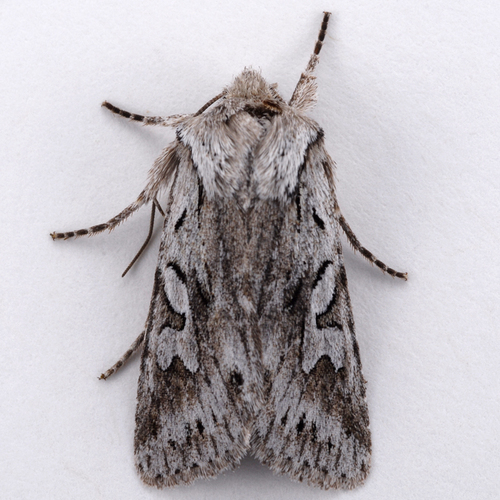
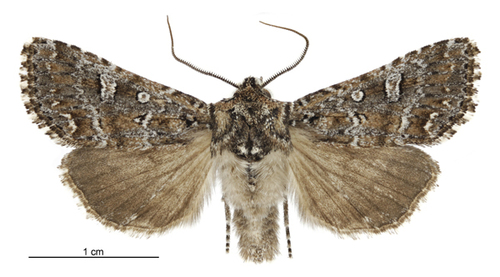
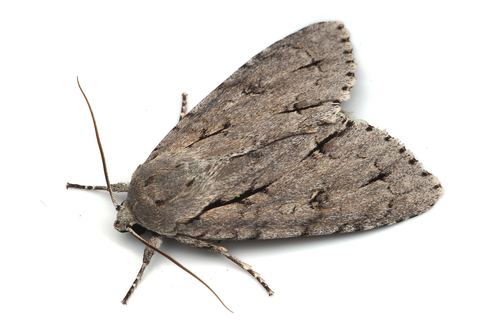
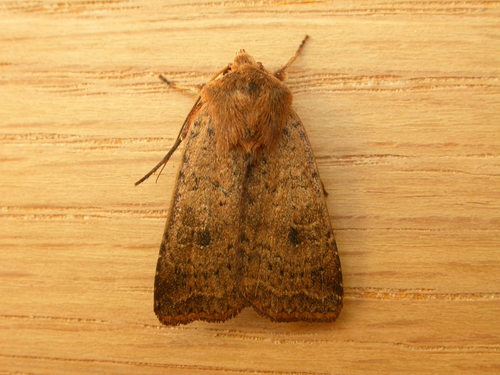
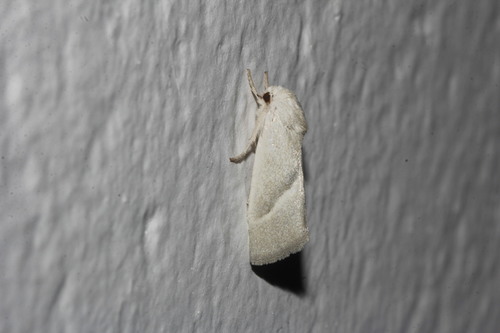
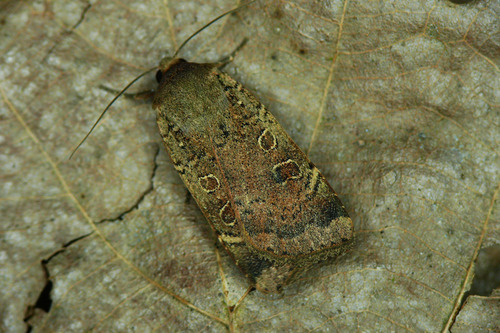
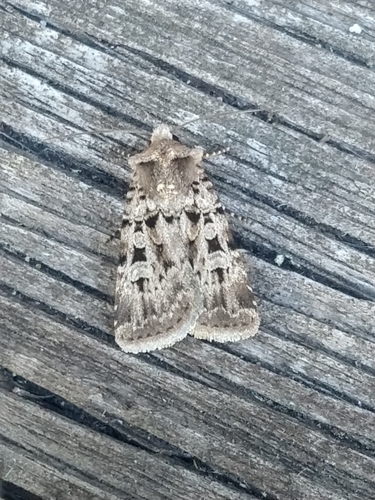
Chersotis multangula Hübner has a wingspan of 32–38 mm. According to Warren’s 1914 account, this species (formerly referenced as R. multangula Hbn.) has a greyish fuscous forewing. The cell, the base of the claviform stigma, and a streak extending from the tip of this stigma to the outer edge are marked blackish. The termen is darker, and the submarginal line is indistinct. The hindwing is sub-brownish grey. Males are paler and smaller than other forms, with whiter hindwings. The aberration subrectangula Stgr. (now classified as Chersotis rectangula (Denis & Schiffermüller, 1775) C. r. subrectangula (Staudinger, 1871), and equivalent to part of rectanrectangula Boisd.) is simply a darker form of the species. The aberration dissoluta Stgr. is greyer and paler, with dark markings that are more conspicuous by contrast. This species is found across Southern Europe, and also occurs in Asia Minor, Armenia, Persia, Turkestan, Tibet, and Amurland. Its larva is earth-brown, with a white dorsal line edged with prominent black markings. The subdorsal lines are dull and pale, with an elongated black spot on each segment. The lateral lines are whitish, and the spiracles are black. The thoracic shield is brown with three white lines, and the head is blackish brown with two dark streaks. The larvae are reported to feed on plants in the genus Galium.