About Cherax quadricarinatus (von Martens, 1868)
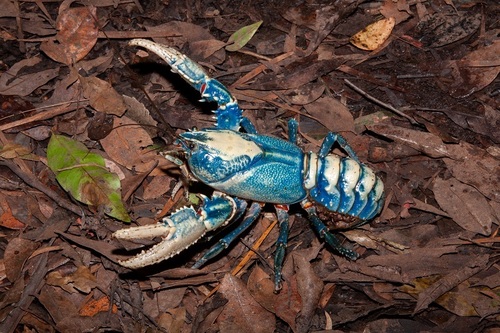
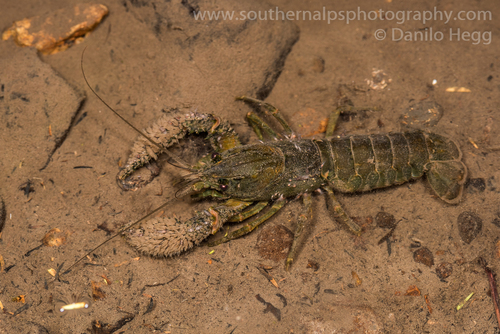
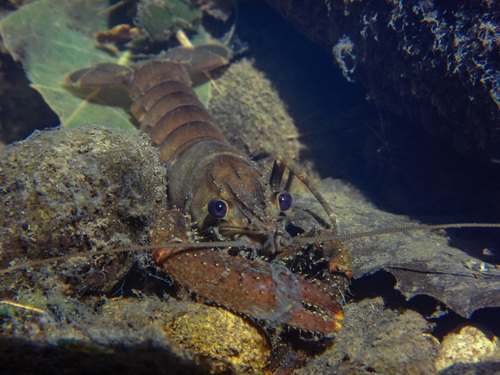
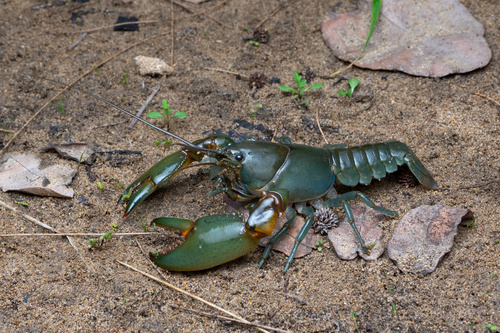
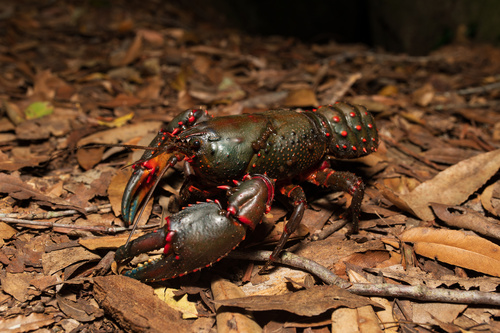
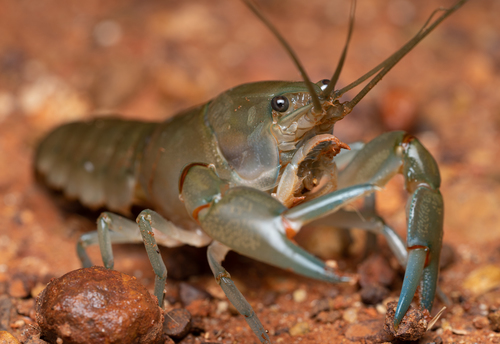
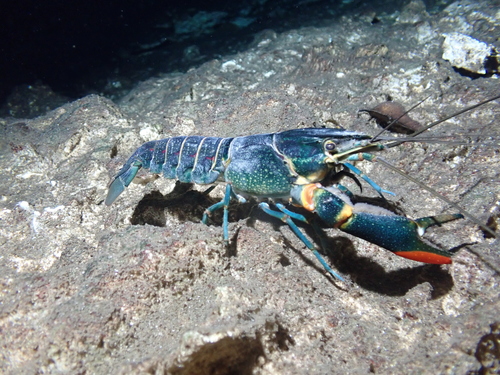
Cherax quadricarinatus (von Martens, 1868) individuals show body color ranging from dark brown to blue-green. Their heads have four keels, a feature referenced by the species’ epithet. Adult males have a distinct red patch on the outer margin of their claws. This species can grow up to 30 cm (12 in) in length and reach a maximum weight of 600 grams (21 oz).
C. quadricarinatus is native to permanent freshwater streams, billabongs, and lakes located on the north coast of the Northern Territory (Australia), northeastern Queensland (Australia), and Papua New Guinea. Human-mediated translocation has expanded its range south into southern Queensland and into the far north of Western Australia. It is classified as an invasive species, and has established feral populations in South Africa, Mexico, Jamaica, Puerto Rico, Indonesia, Zambia, Malaysia, and Singapore. As a tropical crustacean, it is highly tolerant of environmental changes, and feeds primarily as a detritivore.
In the species’ life cycle, females are smaller than males. Each brood, females produce 300 to 800 olive-green eggs. Eggs are fertilized using a spermatophore that the male deposits at the base of the female’s walking legs (pereiopods) during mating. Fertilized eggs attach to the female’s pleopods, which are located on the underside of her tail. Incubation lasts approximately six weeks, and newly hatched juveniles become independent quickly.