About Cherax depressus Riek, 1951
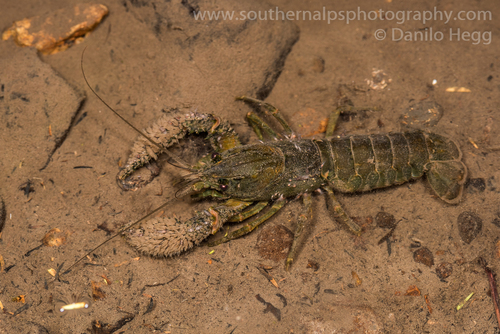
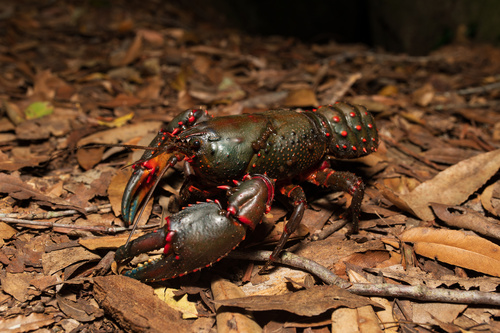
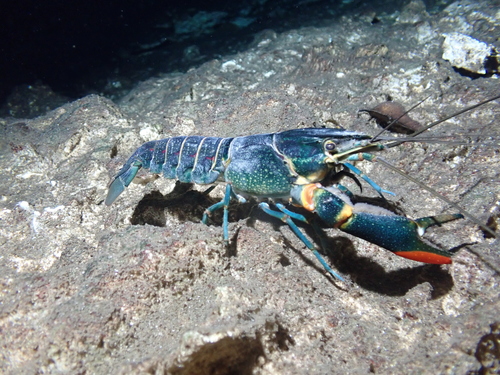
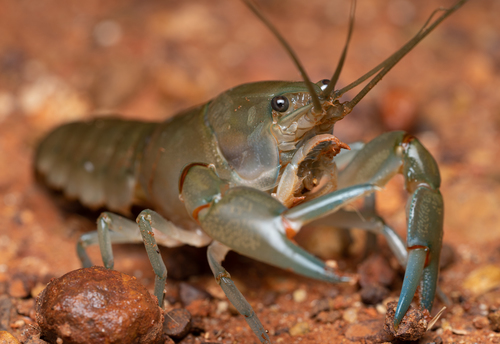
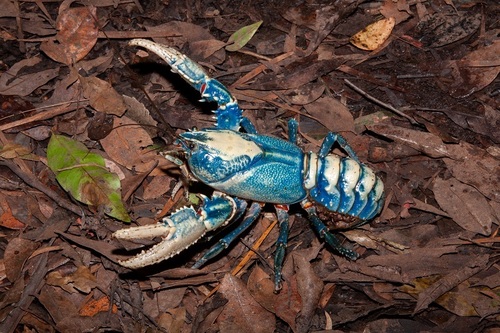
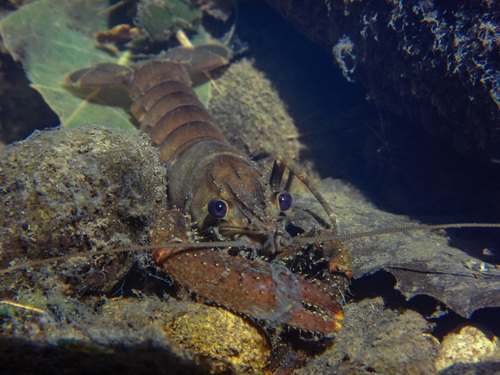
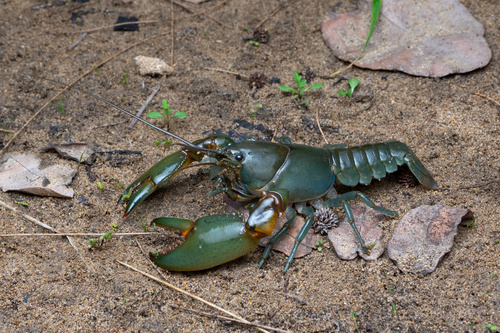
Cherax depressus Riek, 1951 is a relatively small species of yabby that reaches a maximum length of 15 cm (5.9 in). It is commonly called the 'orange fingered' yabby because the tips of its chelae, or pincers, are orange. These yabbies live in self-dug burrows alongside small creeks or ephemeral waterways. They can survive dry conditions for several years by remaining dormant deep in burrows sunk into muddy creek beds, and only emerge into open water during heavy rainfall. They dig their burrows with their unusually large pincers; burrows are generally 50–80 cm deep, but may be dug deeper if needed during droughts. Even when drought is not occurring, this yabby rarely leaves its burrow chambers, so it is considered a rarely seen species. Its colouration is highly variable, and depends on environmental conditions and habitat. Individuals may be black, blue-black, dark brown, dark red, dark green, dark blue, or brown-red, though most have a brownish-red upper body, with a light or dark blue underside and legs. Juveniles can be found living in open water and small creeks while they slowly develop their digging skills. Adult yabbies rarely leave their burrows, only doing so to mate or when they are badly in need of food. This species is distributed along the South Eastern coast of Queensland and northern New South Wales.