About Channa gachua (Hamilton, 1822)
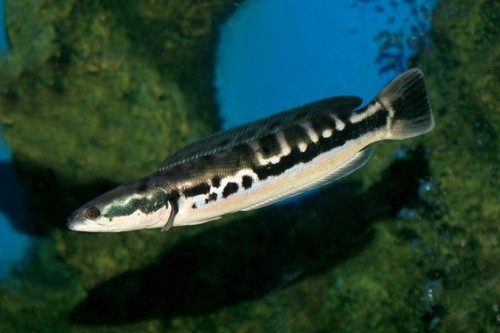
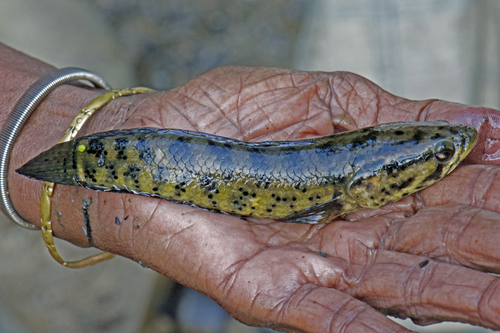
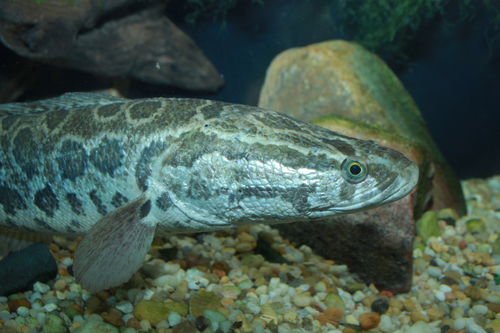
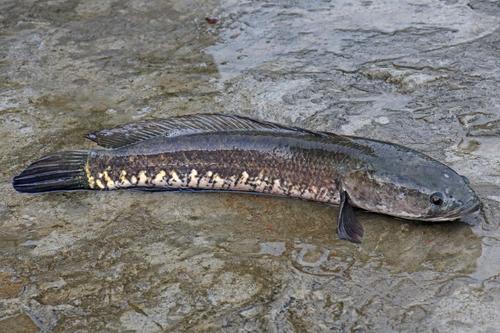
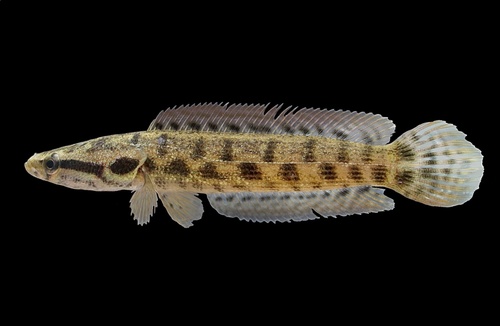
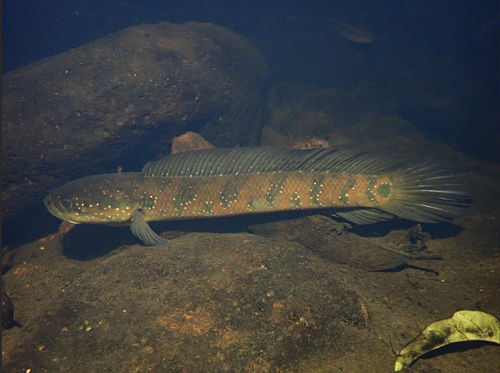
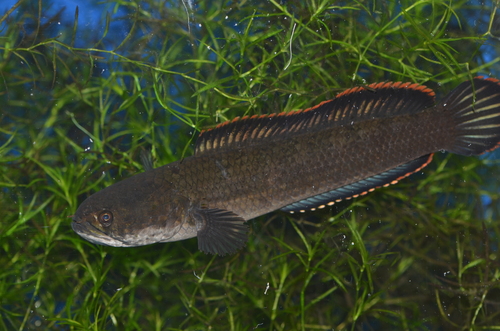
Channa gachua (Hamilton, 1822) can reach 28 cm (11 inches) in total length, though most individuals are far smaller. Its diet consists of small fish, insects, and crustaceans. This species is a mouthbrooder; males brood eggs and juveniles in their mouth. Males have more extended dorsal and anal fins than females, and develop more intense color patterns. This fish has been recorded across a wide range, including Iran, Afghanistan, Pakistan, Nepal, India, Sri Lanka, Bangladesh, Bhutan, China, Myanmar, Thailand, Laos, Cambodia, Viet Nam, Malaysia, Indonesia, and Singapore. It is a common species that inhabits nearly all types of wetland. It can survive in large rivers, small brooks and creeks, fast-flowing currents, stagnant waters, modified waterways such as canals, and rice paddies. There is a clear genetic split between western and eastern populations of this species, with the ranges of the two groups meeting near Myanmar. Because of this split, some researchers classify the two groups as separate species: the western population retains the name C. gachua, while the eastern population is classified as C. limbata. The isolated Sri Lankan population is also genetically highly distinct, leading some researchers to recognize it as a separate species, C. kelaartii. Even with these deep genetic divides between populations, their physical morphology remains very similar.