About Chamaedorea tepejilote Liebm.
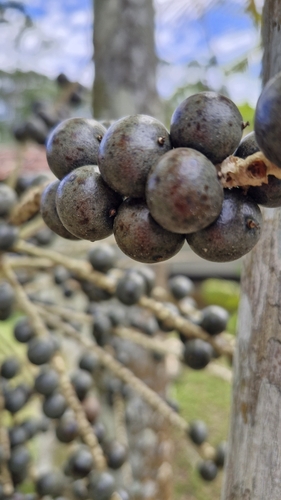
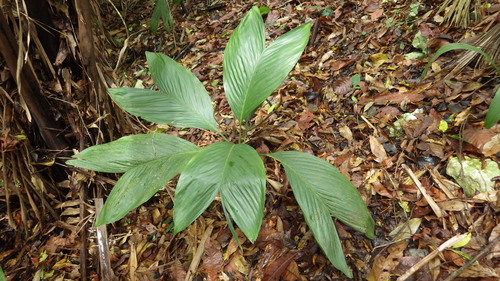
Chamaedorea tepejilote, commonly called the pacaya palm, is a species of palm in the Chamaedorea genus. It grows in the understory of forests located in southern Mexico, Central America, and northern Colombia. The immature male inflorescences of this species are considered a culinary delicacy in Guatemala and El Salvador. Unopened inflorescences of the pacaya palm look and size similar to an ear of corn. This resemblance explains its scientific epithet tepejilote: the word means "mountain maize" in the Nahuatl language, chosen specifically for this similarity. The common name pacaya, which refers to both the whole plant and its edible inflorescences, may originate from the Pacaya volcano. Pacaya has a somewhat bitter flavor, though cultivated varieties have a milder bitterness. It is commonly eaten in salads, most notably fiambre, a traditional Guatemalan salad prepared for the Day of the Dead. It can also be covered in egg batter and fried; this prepared dish is called envueltos de pacaya, and it is often served with tomato sauce, similarly to chiles rellenos.