About Chaetodipus spinatus (Merriam, 1889)
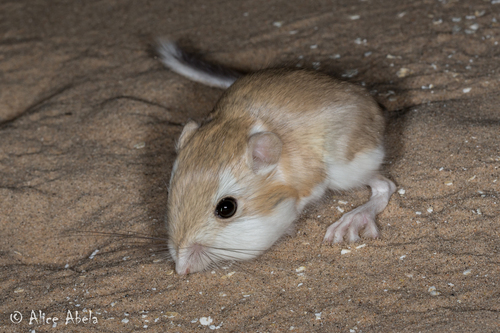
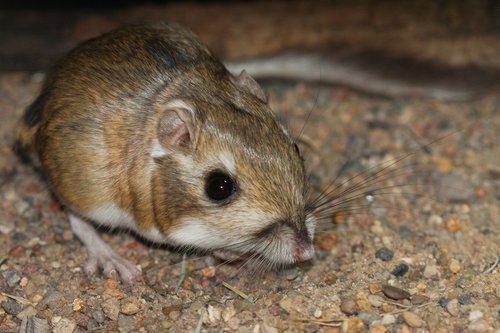
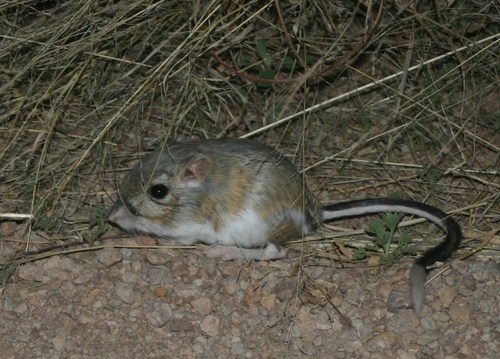
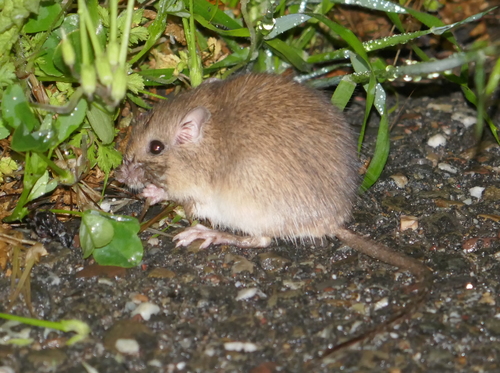
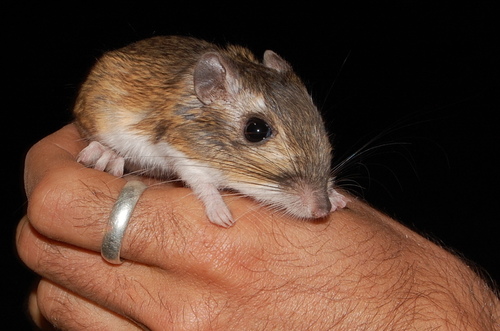
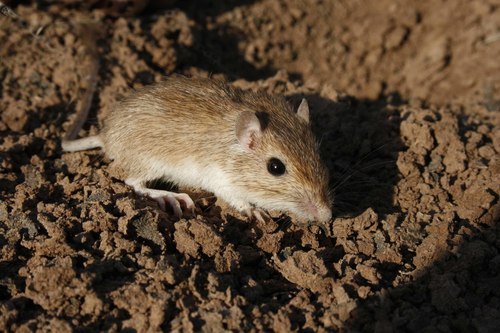
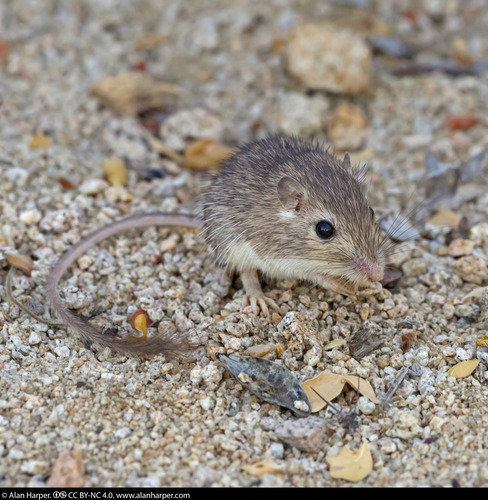
Description: The spiny pocket mouse (Chaetodipus spinatus) is distinguished from pocket mice of other genera by the long, flexible hairs and spines covering its back. It has small, round ears, and a long tail that measures 126% of the combined length of its head and body. Coat color varies across island populations, but individuals typically have brown fur on the upper body and tan fur on the sides. Adult spiny pocket mice weigh between 13 and 18 g (0.46–0.63 oz), and their total body length ranges from 164 to 225 mm (6.5 to 8.9 in). Distribution and habitat: This species is native to North America, occurring in southern Nevada, the Gulf of California islands, and a range extending from southeastern California south to the southern cape of Mexico's Baja California Peninsula. It lives at elevations up to 900 m (3,000 ft). Due to its wide distribution and absence from agricultural areas, the spiny pocket mouse population faces little risk of extinction. Ecology: The spiny pocket mouse is a nocturnal species, an adaptation that lets it inhabit dry, rocky desert landscapes by sheltering from hot daytime temperatures. It sleeps, breeds, and raises its young in burrows. Feral cats are its main predator.