About Cetonia aurata (Linnaeus, 1758)
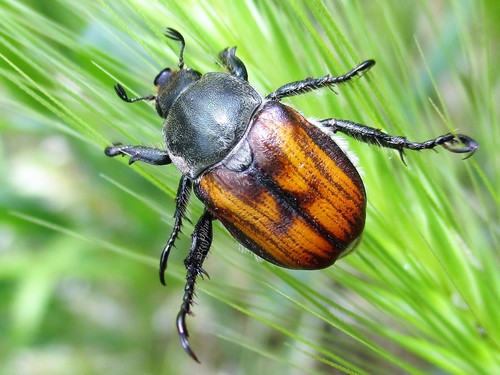
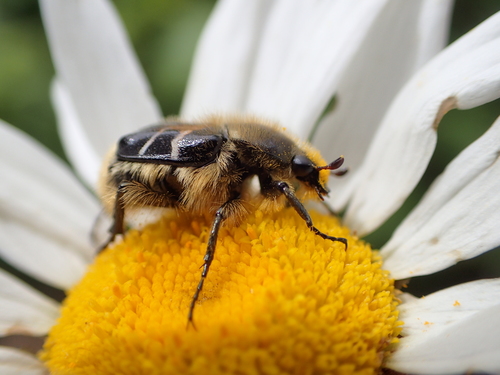
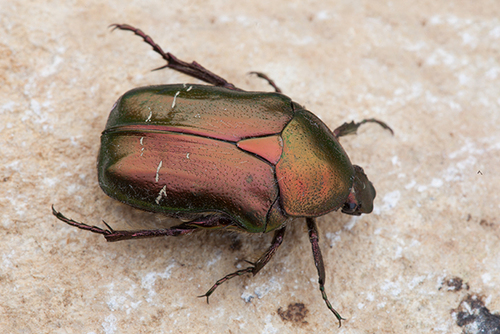
Rose chafers, scientifically named Cetonia aurata (Linnaeus, 1758), are capable of fast flight, and fly with their wing cases held down. They feed on pollen, nectar, and flowers, with a particular preference for roses. On warm sunny days between May and June or July, they can often be found among roses; occasionally they remain active as late as September. This species is distributed in southern and central Europe, the southern part of the United Kingdom (where populations are sometimes very localized), and South East Asia, including the countryside and outlying islands of Hong Kong. Cetonia aurata is a beneficial saprophagous detritivore species. The larvae of Cetonia aurata are C-shaped, with firm, wrinkled, hairy bodies, small heads, and tiny legs. Larvae overwinter in their feeding locations, which can include compost, manure, leaf mould, or rotting wood. They grow very quickly, and moult twice before the end of autumn. The species has a two-year life cycle. Pupation takes place in June or July. A small number of adult beetles may emerge in autumn, but the main emergence of adults occurs in spring, when mating takes place. After mating, female beetles lay their eggs in decaying organic matter, then die.