About Ceroplastes ceriferus (Fabricius, 1798)
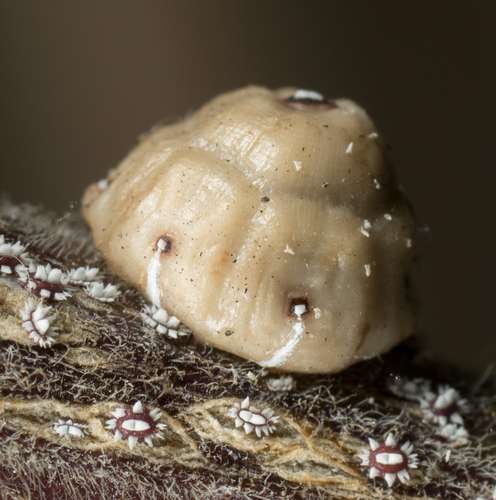
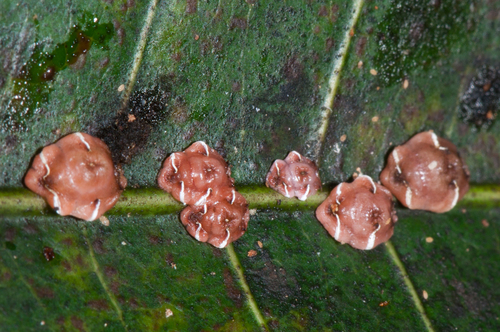
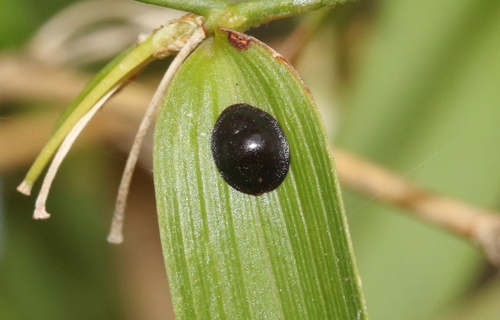
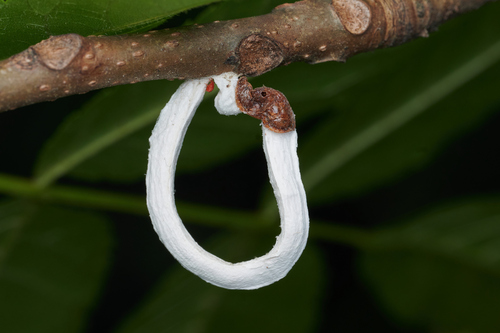
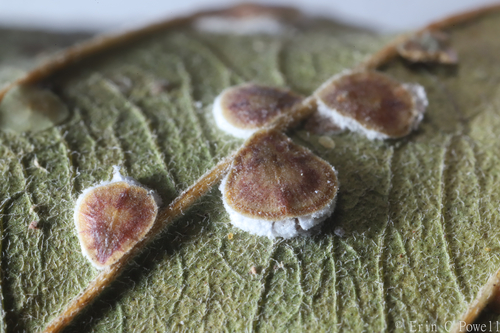
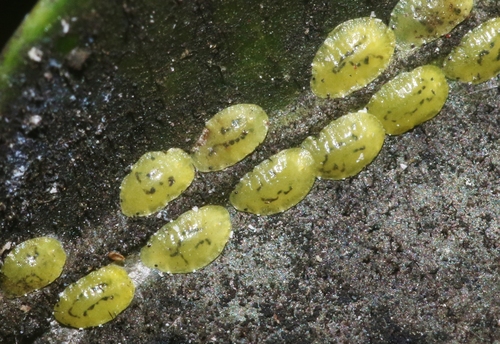
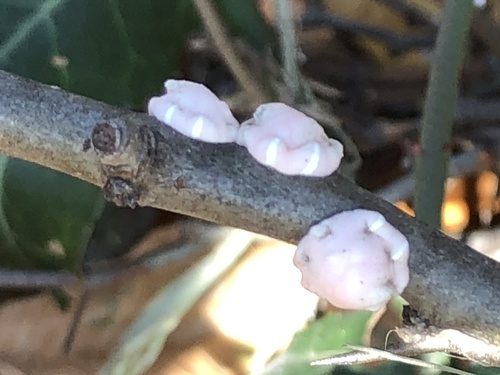
The adult female of the species Ceroplastes ceriferus is immobile, and stays permanently attached to its host plant via its mouthparts while feeding. Its body is concealed beneath a roughly convex, circular or oval wax covering that the insect secretes. This wax covering is white in nymphs and young adults, and turns pinkish as individuals get older. Adult females have a forward-pointing waxy horn, and waxy filaments extend from the margin of the scale covering, which gives this insect an appearance similar to a daisy flower. In many populations of this species, only females exist, and reproduction occurs through parthenogenesis. Ceroplastes ceriferus is a polyphagous insect that feeds on a wide range of different plant species. It has been documented using host plants from 108 genera across 60 different families. Its documented hosts include cultivated crops such as apple, pear, plum, citrus, mango, tamarind, fig, pomegranate, avocado, tea, coffee, squash and pepper, alongside many types of ornamental plants.