About Centruroides gracilis (Latreille, 1804)
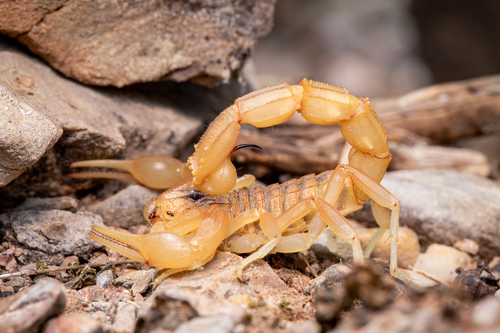
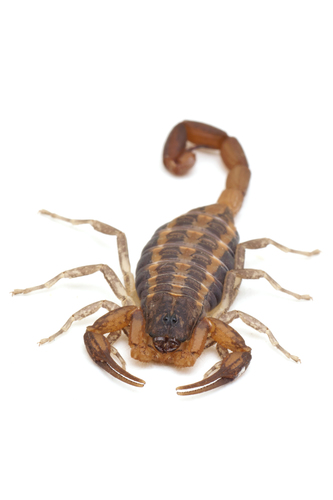
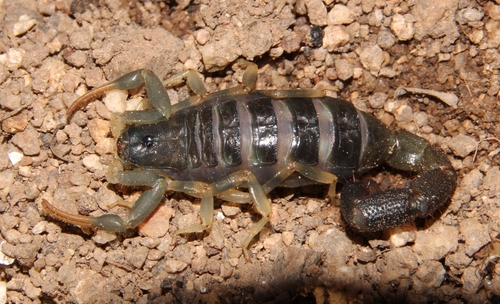
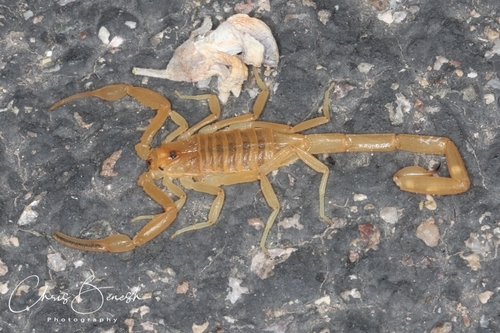
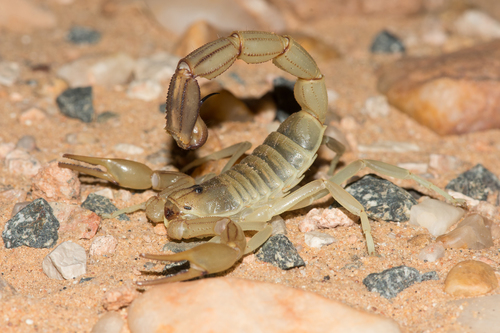
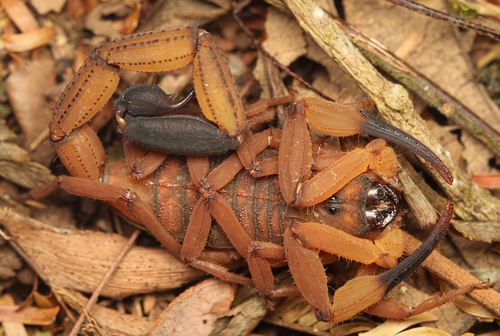
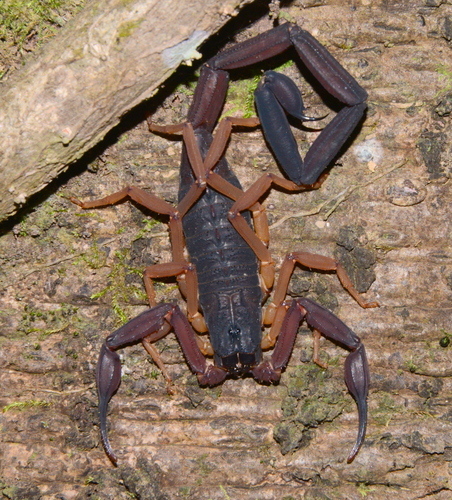
This scorpion species reaches different maximum lengths by sex: females grow up to 10 centimeters long, and males can grow longer than 15 centimeters. It shows high color variation, with differently colored individuals sometimes found in the same population, and even in the same litter. Recorded color forms include reddish overall; black with reddish chelae; dark brown with yellowish legs and red chelae; and dark brown with reddish and black tail sections. In its natural habitat, this scorpion lives under rocks and tree bark. It will also readily inhabit the walls of houses and under yard rubbish piles when the opportunity arises. Females give birth to litters that typically contain 25 to 35 young, though litters as large as 91 have been recorded. New juvenile scorpions ride on their mother’s back, and undergo their first molt when they are eight days old. A study of captive individuals has documented this species’ life cycle in detail. Juveniles develop through a series of instar stages, and sometimes die from complications that occur during molting. Females reach sexual maturity after seven instars, in approximately 300 days. Males mature at varying rates: some reach sexual maturity at the sixth instar, at around 235 days of age, while others mature at the seventh instar at around 281 days old. During mating, the male performs courtship behavior and produces a spermatophore. Females of this species are also capable of reproducing via parthenogenesis. In laboratory conditions, males have an average lifespan of around 33 months, while females have an average lifespan of around 38 months.