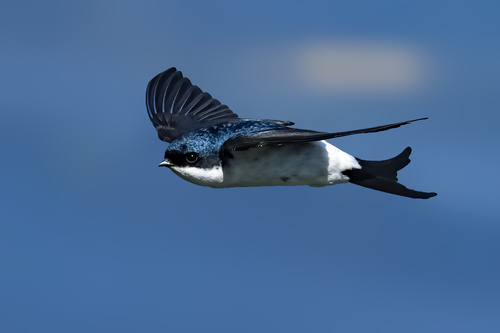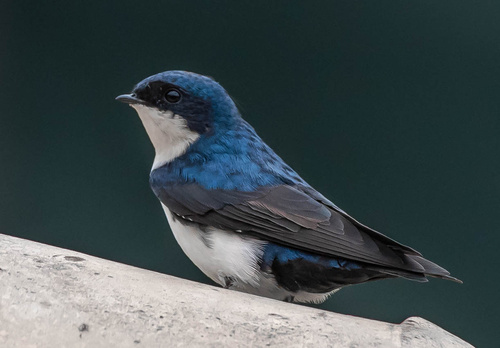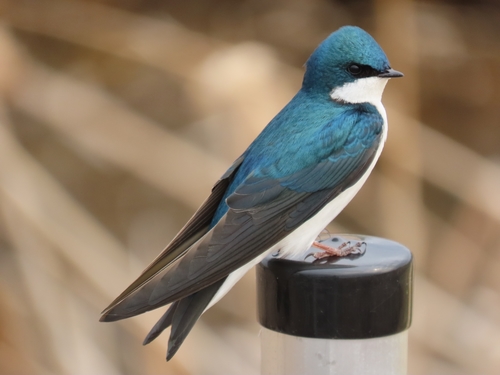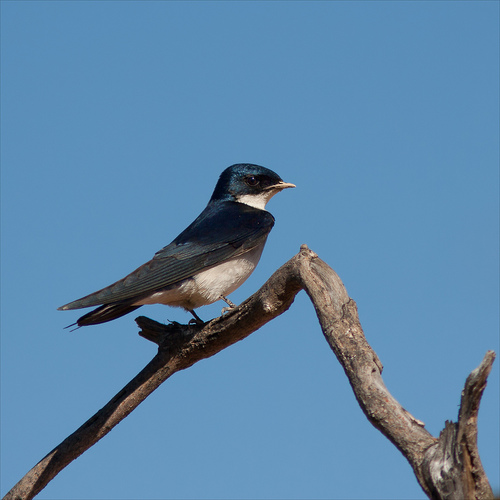
About Cecropis cucullata (Boddaert, 1783)
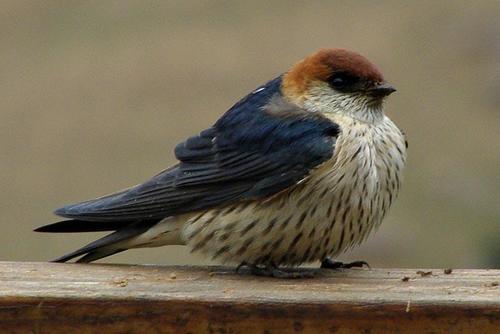
The greater striped swallow, Cecropis cucullata, is 18–20 cm (7.1–7.9 in) long. It has dark blue upperparts, a pale orange rump, and chestnut coloration on its crown, nape, and the sides of its head. Its underparts and underwing coverts are creamy white with dark streaking, while its upper wings and underwing flight feathers are blackish-brown. Its blackish tail has very long outer feathers, which are slightly longer in males than in females. Juveniles are duller and browner than adults, with less plumage contrast and shorter outer tail feathers. This species has a slow, buoyant flight, and its call is a twittering chissick. It can be distinguished from the smaller lesser striped swallow, Cecropis abyssinica, by several features: the lesser striped swallow has heavier, darker underpart striping, a deeper red rump, and rufous instead of buffy ear coverts, and the lesser striped swallow prefers less open habitats. This swallow breeds in southern Africa, mainly in South Africa, Namibia, and southern Zimbabwe. It is migratory, and winters further north in Angola, Tanzania, and southern Democratic Republic of the Congo. The greater striped swallow is common and unafraid of humans, and it has benefited from the availability of nest sites near human settlements. It feeds mainly on flying insects, but it is also known to eat small fruits. It inhabits dry open country such as grassland, and prefers hills and mountains. It avoids more wooded areas, but is often found around human habitation.