About Catostomus insignis Baird & Girard, 1854
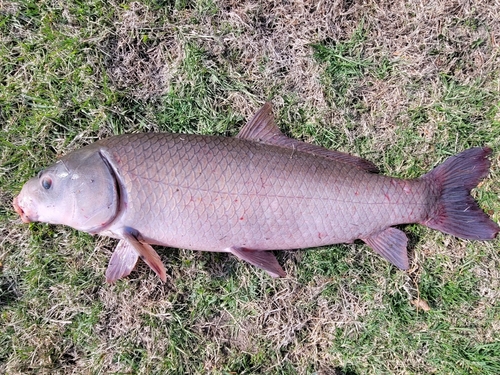
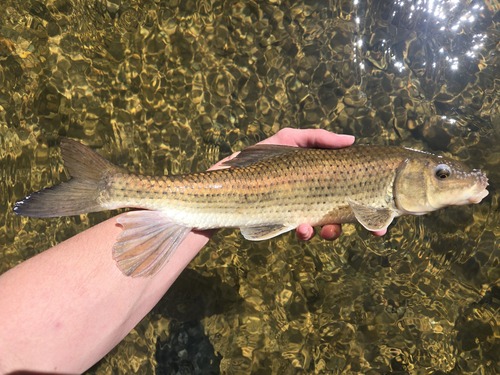
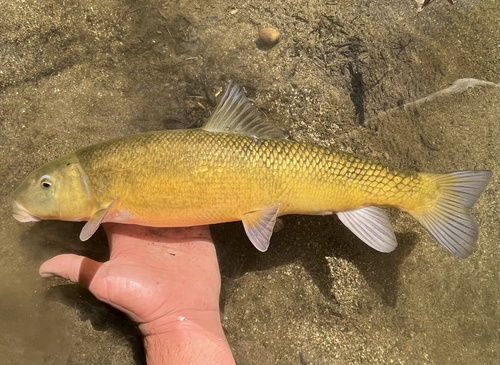
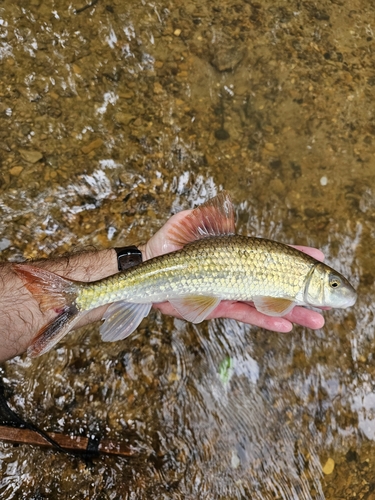
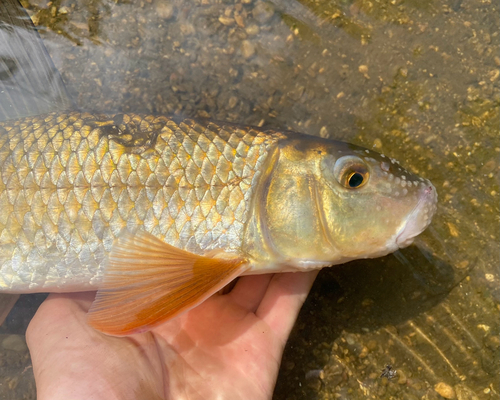
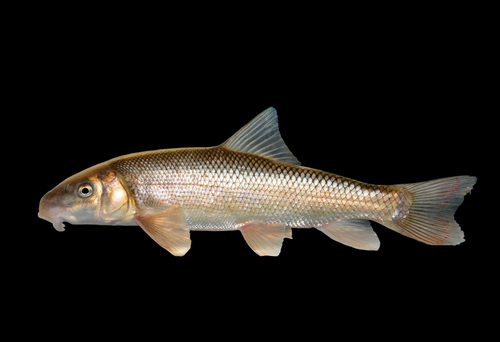
Sonora suckers (scientific name Catostomus insignis Baird & Girard, 1854) have a fusiform body, large heads, and stout builds. They typically have large lower lips that lack fleshy lobes. This species is distinguished by its unique square dorsal fin and relatively large scales, which are fewer in number than the scales of most other fish in the genus Catostomus. Their coloration is distinctly bicolored: they have a yellow underside and a brownish dorsal side. Each scale has distinct outlines that create a clear, defined spot on the body. Adult Sonora suckers can grow up to 80 cm (31.5 in) in length and reach a weight of approximately 2 kg (4.4 lb).
The Sonora sucker occurs primarily in New Mexico and Arizona in the United States, and is also found in northern Sonora, Mexico. It is most common in the Gila and Bill Williams river basins in Arizona, and widespread in the Gila and San Francisco drainages in New Mexico.
Sonora suckers can inhabit a wide range of aquatic environments, from cold trout streams to warm water rivers. They prefer rocky, relatively deep, quiet bodies of water. During daylight hours, adult Sonora suckers typically take cover and remain in shaded areas.
During the breeding season, two males usually follow a single female Sonora sucker. Females lay their eggs in riffles (shallow areas with small waves or ripples), and the eggs incubate in the gaps between gravel. Most females deposit their eggs in smaller streams, with only a small number spawning in lakes. Spawning begins in late winter and continues through mid-summer.