About Castanea crenata Siebold & Zucc.
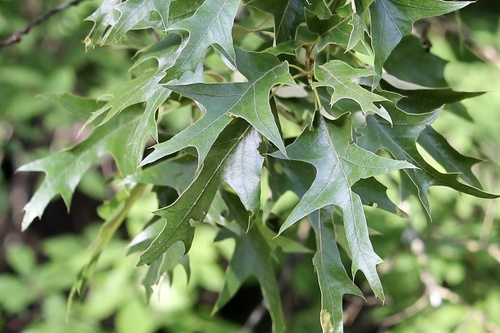
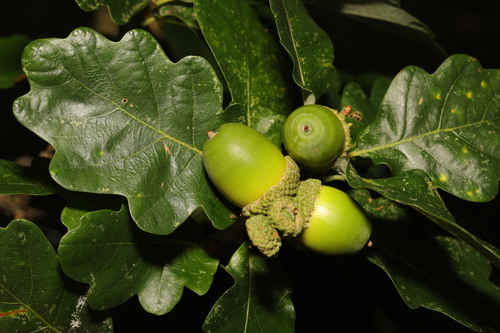
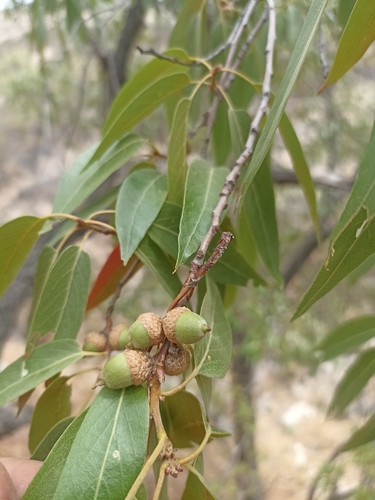
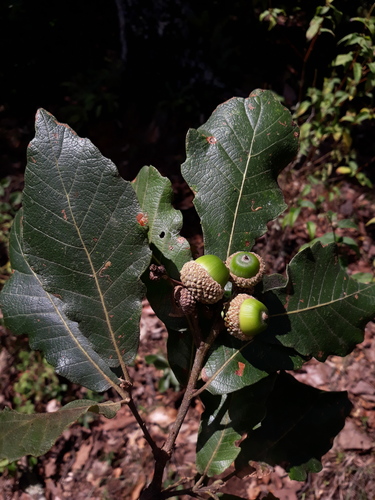
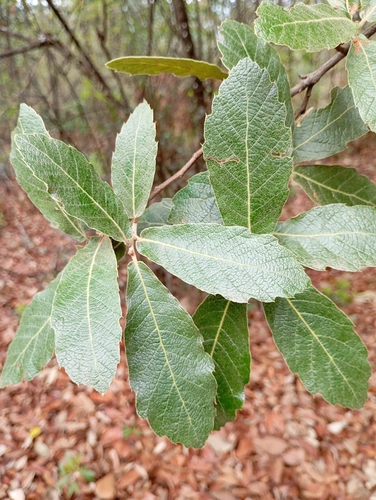
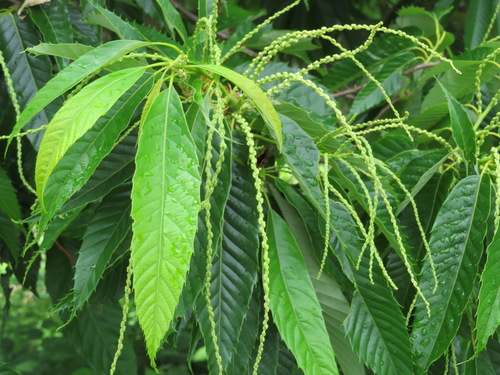
Castanea crenata Siebold & Zucc. is a small to medium-sized deciduous tree that reaches 10–15 m (30–50 ft) in height. Its leaves resemble those of the sweet chestnut, but are typically slightly smaller, measuring 8–19 cm (3+1⁄4–7+1⁄2 in) long and 3–5 cm (1+1⁄4–2 in) wide. Both male and female flowers grow on upright catkins 7–20 cm (2+3⁄4–7+3⁄4 in) long: male flowers occupy the upper section of the catkin, while female flowers grow in the lower section. The flowers emerge in summer. By autumn, female flowers develop into spiny cupules that hold 3–7 brownish nuts, which are shed in October. Castanea crenata is an important tree in Japan and Korea, valued for its high yield of sweet, edible nuts. Many cultivars have been developed to produce larger nuts. It is also widely cultivated in eastern China and Taiwan. This species is resistant to both chestnut blight and ink disease. Because of this resistance, it is important in North America for developing disease-resistant chestnut hybrids and for genetic engineering work on the American chestnut, which is susceptible to both of these fungal pathogens. Examples of Japanese chestnut cultivars are: 'Tsukuba', 'Tanzawa', 'Ginyose', 'Arima', 'Ishizuchi', 'Okkwanng', 'Porotan', 'Sandae'. Examples of European × Japanese hybrid cultivars are: 'Colossal', 'Bouche de Betizac', 'Precoce Migoule', 'Labor Day'. C. crenata produces more stem biomass when it bears smaller nuts and is planted at greater depth.