About Cassis tuberosa (Linnaeus, 1758)
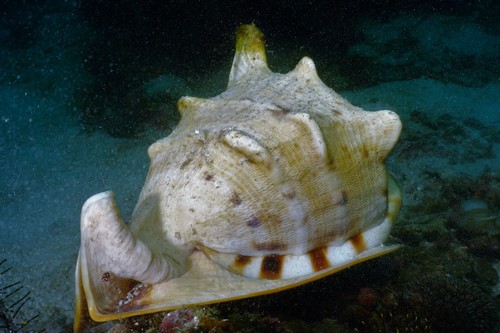
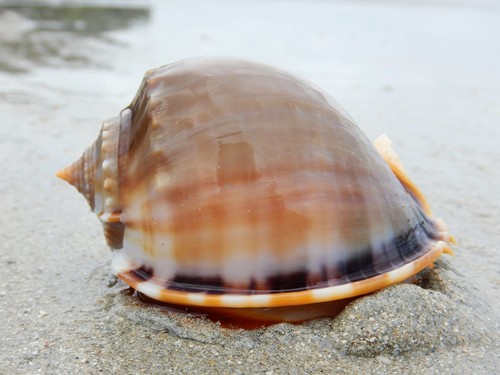
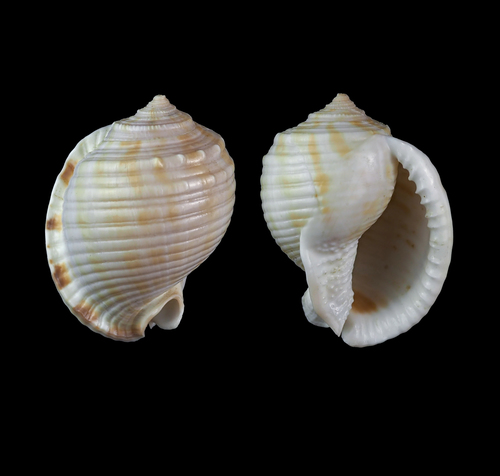
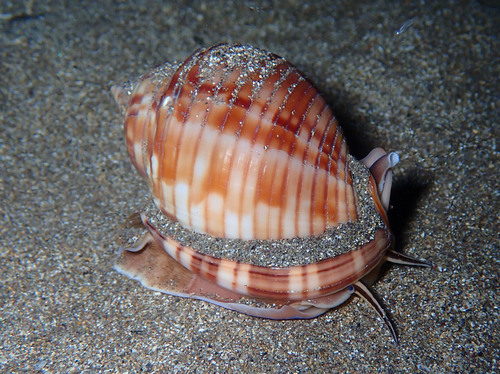
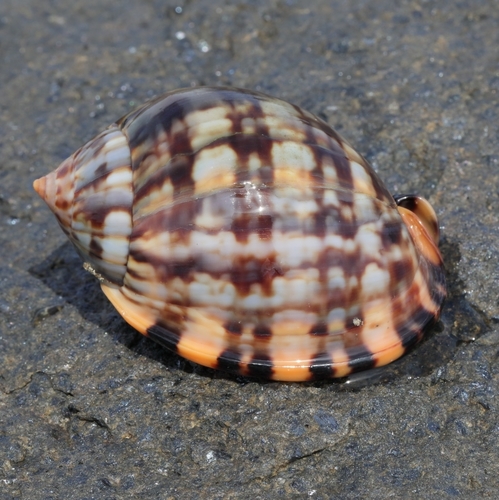
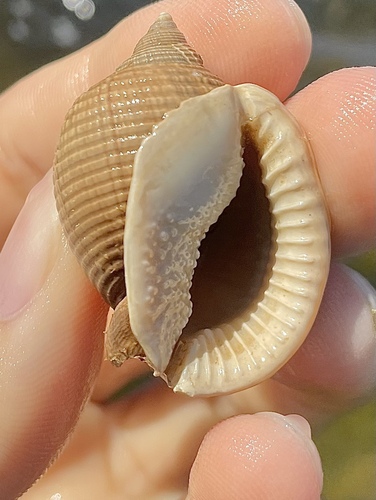
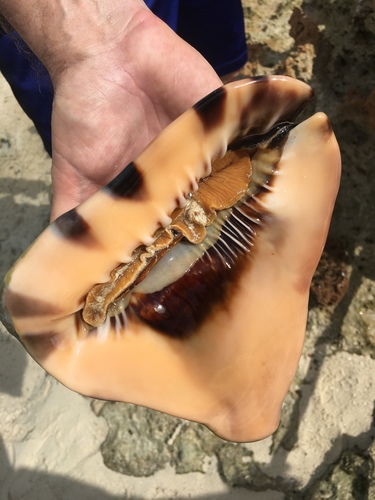
Cassis tuberosa, first formally described by Linnaeus in 1758, has a maximum recorded shell length of 301 millimeters. Its shell is typically cream-colored with dark brown spots. The dorsal surface of the shell bears fine growth lines and fine spiral lines, which together create a "canceled effect".
This species is found in the Western Atlantic Ocean, ranging from North Carolina, Florida, Mexico, Honduras, Colombia, Costa Rica, Panama, Venezuela, Bermuda, Bahamas, Turks & Caicos, Cuba, Hispaniola, Puerto Rico, the Virgin Islands, the Leeward Islands, and the Windward Islands to Brazil. It also occurs in the Eastern Atlantic Ocean at the Cape Verde Islands.
The minimum recorded depth that Cassis tuberosa has been found at is 0 meters, and the maximum recorded depth is 27 meters. This species lives in shallow coastal waters around sandy beaches and in reef environments. It is associated with seagrass beds, macroalgae banks, rhodolith beds, and coral rubble.
The shell of Cassis tuberosa is used to make cameos. The attractive appearance of the shell is the primary reason this species is collected by people. Because the species prefers shallow water habitats, it is easily accessed by tourists.