About Carya alba (L.) Nutt.
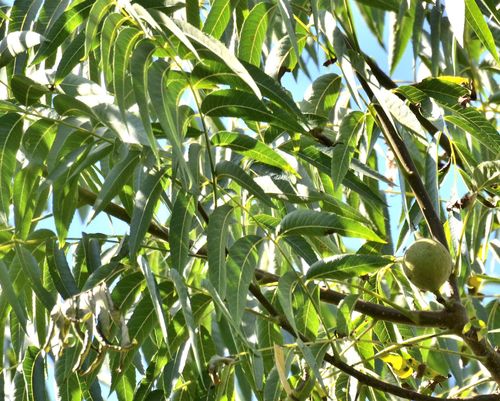
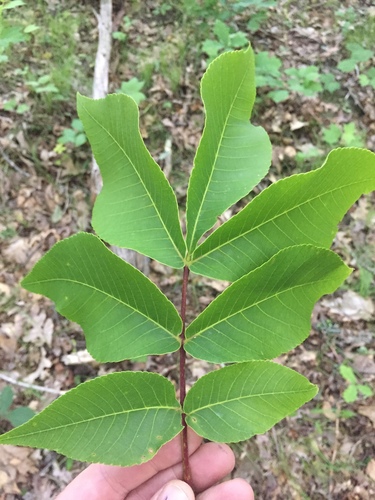
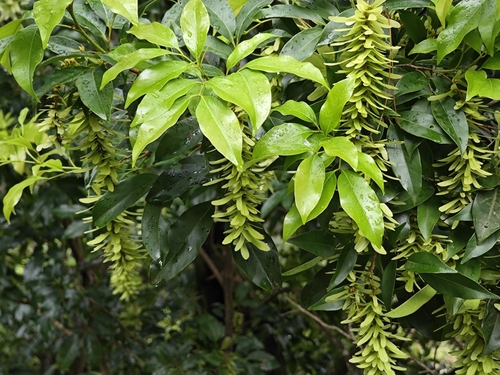
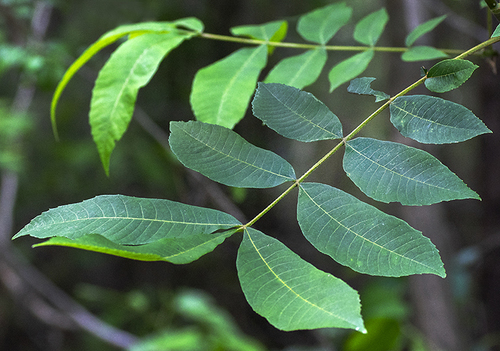
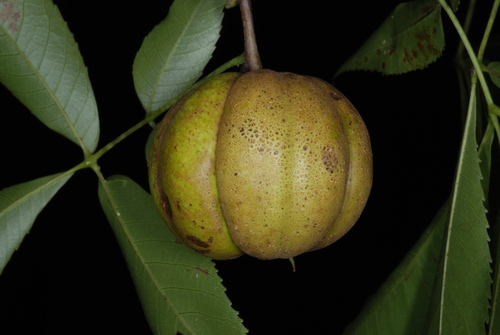
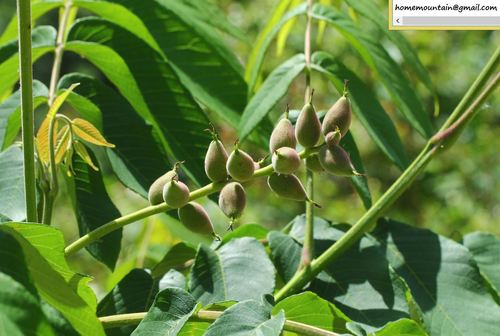
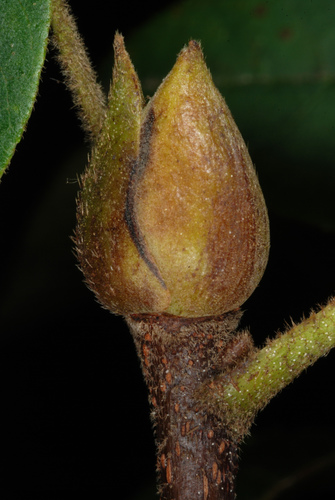
Carya alba (L.) Nutt., which is also referenced as Carya tomentosa, is a tree species in the walnut family Juglandaceae. It is commonly known by multiple common names: mockernut hickory, mockernut, white hickory, whiteheart hickory, hognut, and bullnut. This is the most abundant hickory species, common across the eastern half of the United States, and it is long-lived, sometimes reaching 500 years of age. It grows straight, and a high share of its wood is used for products that require strength, hardness, and flexibility. Its wood also makes excellent fuel. The native range of mockernut hickory, a true hickory, extends from Massachusetts and New York west to southern Ontario and northern Illinois; from there it reaches southeastern Iowa, Missouri, and eastern Kansas, south to eastern Texas, and east to northern Florida. This species is not present in Michigan, New Hampshire, or Vermont, unlike what was previously mapped by Little. Mockernut hickory is most abundant southward through Virginia, North Carolina, and Florida, where it is the most common of all hickories. It is also abundant in the lower Mississippi Valley, and grows to its largest size in the lower Ohio River Basin, as well as in Missouri and Arkansas. True hickories including this species sprout prolifically from stumps after cutting or fire. As stumps increase in size, the number of stumps that produce sprouts decreases; age is likely directly correlated to both stump size and sprouting success. Coppice management is a possible approach for true hickories. True hickories are difficult to reproduce from cuttings. Madden has discussed techniques for selecting, packing, and storing hickory propagation wood. Reed noted that the most tested hickory species for root stock for pecan hickory grafts were mockernut and water hickory (Carya aquatica). However, mockernut root stock grows slowly and reduces the growth of pecan tops. Grafts on mockernut root stock also seldom produce trees that bear well or yield large nuts. In ecological contexts, mockernut hickory nuts are preferred mast for wildlife, particularly squirrels, which eat green nuts. Black bears, foxes, rabbits, beavers, and white-footed mice feed on the nuts, and sometimes the bark. White-tailed deer browse the foliage and twigs, and also feed on the nuts. Hickory nuts are a minor food source for ducks, quail, and turkey. Mockernut hickory nuts are consumed by many species of birds and other animals, including wood duck, red-bellied woodpecker, red fox, squirrels, beaver, eastern cottontail, eastern chipmunk, turkey, white-tailed deer, and white-footed mice, among others. Many insect pests feed on hickory leaves and bark. Mockernut hickories also provide tree cavities that animals use for shelter, including woodpeckers, black rat snakes, raccoons, and Carolina chickadees, among other species. They also make good nesting trees, providing cover for birds with their thick foliage. Animals help disperse mockernut hickory seeds to allow new trees to grow elsewhere; chipmunks, squirrels, and birds do this most effectively. Some fungi grow on mockernut hickory roots, sharing nutrients from the soil. True hickories contribute a large portion of the high-grade hickory used by industry. Mockernut is used for lumber, pulpwood, charcoal, and other fuelwood products. Hickory species are the preferred type for fuelwood consumption, and mockernut has the second-highest heating value among all hickory species. It can be used for veneer, but the limited supply of high-quality veneer logs is a limiting factor for this use. Mockernut hickory is used to make tool handles that require high shock resistance, as well as ladder rungs, athletic goods, agricultural implements, dowels, gymnasium apparatus, poles, shafts, well pumps, and furniture. Lower-grade lumber is used for items like pallets and blocking. Hickory sawdust, chips, and some solid wood are often used by packing companies to smoke meats, and mockernut is the preferred wood for smoking hams. While mockernut kernels are edible, they are rarely eaten by humans due to their small size and because they are commonly eaten by squirrels and other wildlife first.