About Caridina multidentata Stimpson, 1860
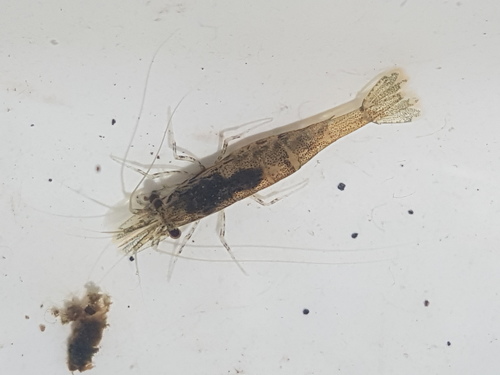
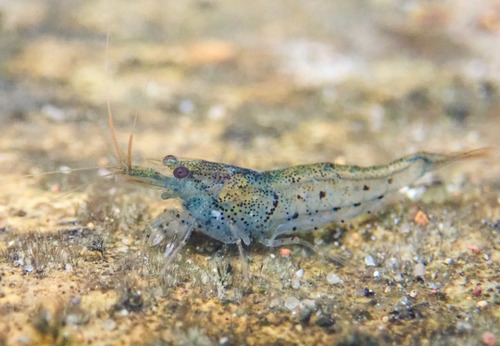
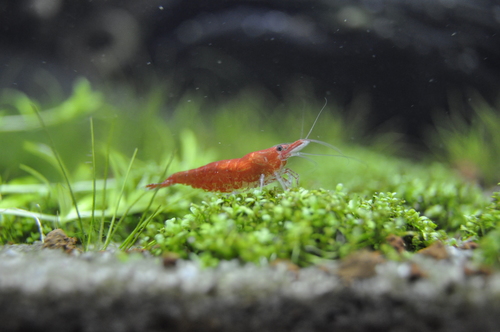
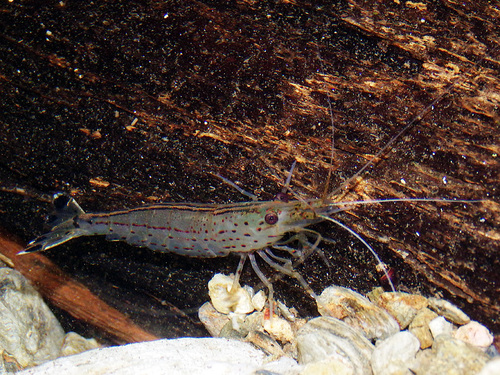
Caridina multidentata Stimpson, 1860 is a species of freshwater shrimp in the family Atyidae, most commonly found in southwestern Japan. Adults of this species typically reach 25 to 35 millimetres in size. This is an amphidromous shrimp species: oviposition and hatching take place in freshwater, then newly hatched larvae drift into saltwater to develop into juveniles, before returning to freshwater to live out their adult lives. The eggs of Caridina multidentata are oval-shaped and yolk-rich. This species is adapted to live in fast-flowing water, and has a wide, short rostrum. Caridina multidentata do not start feeding until their third zoeal stage, relying on internal yolk nutrition for longer than closely related species such as Caridina leucosticta and Caridina typus. Its broad geographic distribution indicates that this species has a high level of larval dispersion. The shrimp has a translucent body, with a broken line of reddish-brown spots along its sides. A continuous white stripe runs from the head to the tail along its dorsal surface, and its eyes are black. Females can be easily told apart from males by the more elongated lower row of spots on their bodies. Caridina multidentata thrive best in water temperatures between 18 °C and 28 °C, which equals approximately 64 °F to 82 °F. They are more active at higher temperatures, but these conditions also tend to shorten their lifespan. They prefer water with a pH between 6.5 and 7.5. Like all crustaceans, Caridina multidentata are highly intolerant of copper, because their blood contains haemocyanin.