About Capsicum annuum L.
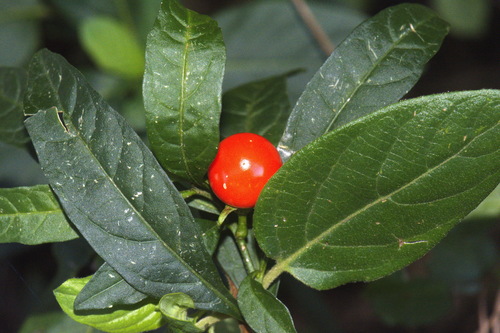
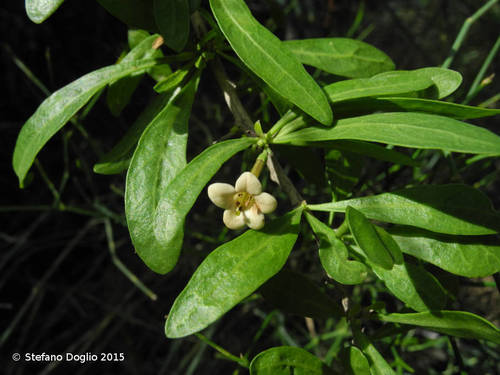
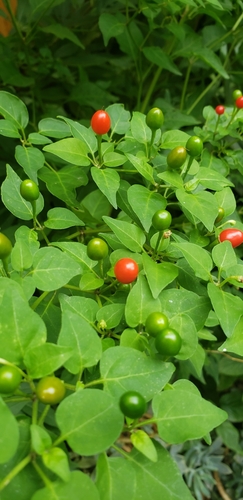
Cultivars of Capsicum annuum L. grow as small shrubs with many branches and thin stems, and have a climbing growth habit. Some varieties can reach up to 2 meters (6.56 feet) tall when climbing on other plants. This species produces oval, glossy leaves that can grow up to 7.5 cm (3 inches) long. Leaves are generally green, but may become dark purple or black as the plant ages, depending on the cultivar. Capsicum annuum are annual or biennial herbaceous plants with a four-stage life cycle: seedling, vegetative growth, flowering, and fruiting. As a variable flowering species, it produces flowers in different shapes that are typically star or bell-shaped, and come in purple, white, and green. Its fruits also vary widely in shape, ranging from small berry shapes to the large shape of bell peppers, and occur in colors including red, yellow, green, and black. Flowers of Capsicum annuum typically have 6–7 petals and 6–7 sepals, 7 stamens, and a superior ovary positioned above a single style formed from 2–3 carpels. Capsicum annuum is primarily self-pollinating, but cross-pollination frequently occurs when plants are grown in large stands, carried out by bees, wasps, and ants. In commercial production, human pollination is often used to create hybrid seeds that grow into new pepper variants; this form of selective breeding reflects the species' domestication history. The key reproductive structures for pollination and fertilization are the male anthers and the female ovary. Anthers produce pollen (the male microgametes) that disperses to fertilize the female megagamete located in the ovary, which triggers development of the fruit propagule. After fertilization, the fruit develops according to its specific variety, grows to full maturity, and is then ready for seed dispersal. Capsicum annuum has been widely cultivated and selectively bred for specific traits, leading to use across multiple applications: food, traditional medicine, cosmetics, and self-defense (in the form of pepper spray). In ancient civilizations including the Maya and Aztec, Capsicum annuum and related capsicum species were used to treat a range of illnesses, such as asthma, toothaches, coughs, and sores. These traditional practices remain common in developing countries today, where the plant is used for its antioxidant, antimicrobial, antifungal, and antiviral properties. Research has also found links between consumption of capsaicinoids from Capsicum annuum and reduced risk of cardiovascular disease and cancer.