About Cannabis sativa L.
Cannabis sativa L. plants most commonly produce separate male or female flowers. Only plants that already have female pistils can become or be hermaphrodites, and male plants can never become hermaphrodites. This species is a short-day flowering plant. Staminate (male) plants are usually taller and less robust than pistillate plants, which may be female or male. Female plants bear flowers arranged in racemes, and can produce hundreds of seeds. Male plants shed their pollen and die several weeks before female plants’ seeds ripen. Under typical conditions with a 12 to 14 hour daily light period, heritable X and Y chromosomes result in equal numbers of male and female plants. While genetic factors determine the initial sexual orientation of a plant, environmental factors including the diurnal light cycle can change how sexual traits are expressed. Naturally occurring monoecious plants, which have both male and female reproductive parts, are either sterile or fertile. Artificially induced hermaphrodites can have fully functional reproductive organs. Feminized seed sold by many commercial seed suppliers comes from artificially hermaphroditic females that lack the male gene, or is produced by treating plants with hormones or silver thiosulfate.
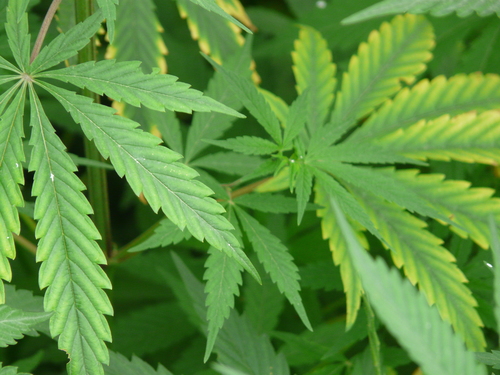
For cultivation, Cannabis sativa plants in the vegetative growth phase need more than 16–18 hours of light per day to remain in vegetative growth. Flowering typically begins when darkness lasts at least 12 hours per day. The full flowering cycle can last between seven and fifteen weeks, depending on the strain and environmental conditions. When growers aim to produce psychoactive cannabinoids, they grow female plants separately from male plants to trigger parthenocarpy in the female fruits. This seedless growth is known popularly as sin semilla, Spanish for "without seed", and increases the production of cannabinoid-rich resin. When grown in soil, the plant prefers an optimal pH of 6.3 to 6.8. For hydroponic growing, the ideal nutrient solution pH is 5.2 to 5.8. This pH range is hostile to most bacteria and fungi, which makes Cannabis well-suited to hydroponic cultivation. Tissue culture multiplication is now an important method for producing medically important clones, while seed production remains the most commonly preferred method of propagation. Sativa plants have narrow leaves and grow best in warm environments. They take longer to flower than Indica cannabis strains, and also grow taller than Indica strains.
The main use of Cannabis sativa seeds is to produce hempseed oil, which can be used for cooking, powering lamps, and making lacquers or paints. The seeds are also used as feed for caged birds, as they provide nutrients for most animals. The flowers and fruits, and to a lesser extent the leaves, stems, and seeds, contain psychoactive chemical compounds called cannabinoids. These cannabinoids are consumed for recreational, medicinal, and spiritual purposes. Preparations of flowers and fruits called marijuana, and leaves and preparations made from resinous extract such as hashish, are consumed by smoking, vaporizing, and oral ingestion. Historically, tinctures, teas, and ointments have also been common preparations. In the traditional medicine of India specifically, Cannabis sativa has been used as a hallucinogenic, hypnotic, sedative, analgesic, and anti-inflammatory agent. Terpenes have gained public attention as medical and recreational cannabis has grown and become more widely understood. Cannabis market organizations and companies have promoted education and marketing of terpenes in their products to distinguish the taste and effects of different cannabis varieties. The entourage effect, which describes the synergy between cannabinoids, terpenes, and other plant compounds, has also helped increase awareness and demand for terpenes in cannabis products.